







Portland ranks No. 14 among 111 U.S. cities for car-free living, supported by a No. 3 national ranking for bicycle commuting. The analysis also places Eugene and Salem on the list. Here is how Portland scored across biking, walking and public transit, and how it compares with other U.S. cities.
Key Takeaways
- Portland ranked No. 14 among 111 U.S. cities evaluated for car-free living.
- The city ranked third nationally for bicycle commuting, with 3.4% of commuters biking to work.
- Portland ranked No. 22 for walking commuters and No. 21 for public-transit commuters.
- Eugene ranked No. 33 overall, while Salem placed No. 68.
- New York ranked first nationally, followed by San Francisco and Washington, D.C.
Portland’s strongest result came from bicycle commuting. The analysis found that 3.4% of the city’s commuters bike to work, giving Portland the third-highest bicycle commuting share among the cities evaluated.
That result helped Portland reach No. 14 overall, but the broader ranking draws on more than cycling. The analysis evaluated 13 transportation and mobility metrics, including alternative commuting methods, walk and bike scores, and public transit station density.
Portland Ranks No. 14 for Car-Free Living
Portland finished between Pittsburgh at No. 13 and Salt Lake City at No. 15 in the 111-city comparison.
The city’s position puts it outside the national top 10 but ahead of nearly 100 other cities included in the analysis. It also gives Portland the highest overall ranking among the three Oregon cities included.
The results assess several components of mobility rather than relying on a single measure. Cycling, walking, public transportation and other transportation indicators all contributed to the overall ranking.
The ranking comes amid broader local attention to Portland transportation funding changes and the infrastructure used by drivers, cyclists, pedestrians and transit riders.
Portland’s category results show why the overall ranking requires more context. The city performs considerably better in bicycle commuting than it does in walking or public transit.
Cycling Gives Portland Its Strongest National Result
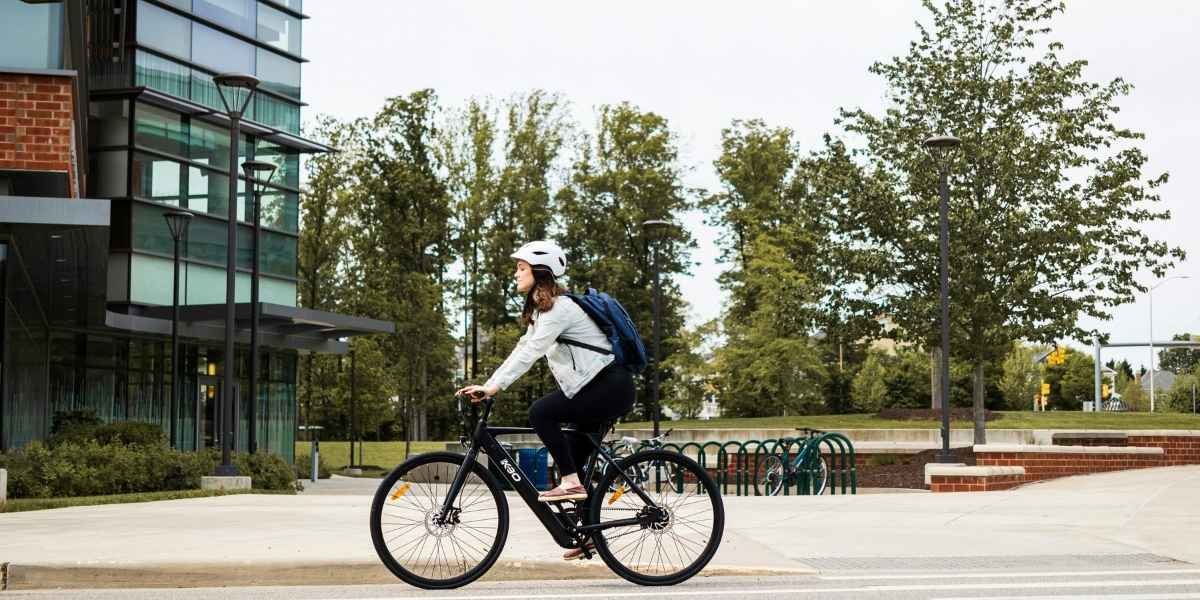
Photo Credit: Unsplash.com
Bicycle commuting produced Portland’s highest individual ranking in the analysis.
About 3.4% of Portland commuters bike to work, placing the city third nationally. Only Eugene, at 4.3%, and Fort Collins, Colorado, at 4.0%, recorded higher shares among the cities cited in the comparison.
That result stands out against Portland’s No. 14 overall position and shows how individual transportation measures can differ from a city’s broader ranking.
The figures specifically measure people who bike to work. They do not represent every resident who uses a bicycle for recreation, errands or other trips.
Portland’s bicycle commuting profile can also be seen in local transportation initiatives such as the Portland City Bike Bus, which centers on group bicycle commuting through the city.
While cycling represents Portland’s strongest category in the analysis, it remains only one part of the overall assessment of car-free living.
Walking and Public Transit Support Portland’s Ranking
Portland also placed within the upper portion of the comparison for walking and public transportation, though neither category reached the national top 10.
The city ranked No. 22 for the share of commuters who walk to work. About 4.3% of Portland commuters used walking as their primary commuting method in the analysis.
Public transit accounted for 6.1% of commuters, giving Portland a No. 21 national ranking in that category.
Taken together, the three reported commuting figures show different parts of Portland’s transportation profile:
- Bicycle commuting: 3.4%, ranked No. 3
- Walking: 4.3%, ranked No. 22
- Public transit: 6.1%, ranked No. 21
The wider methodology also included measures beyond commuting shares, such as walk and bike scores and public transit station density. Portland’s No. 14 overall position therefore reflects a combination of transportation indicators rather than the performance of any single mode.
Oregon Cities Show Different Mobility Profiles
Portland was one of three Oregon cities included in the national comparison.
Eugene ranked No. 33 overall, while Salem placed No. 68. Portland’s No. 14 position was 19 places ahead of Eugene and 54 places ahead of Salem.
Eugene, however, recorded a stronger result for bicycle commuting. Its 4.3% bicycle commuting share was the highest among the cities cited in the analysis, compared with Portland’s 3.4%.
That contrast shows why overall rankings and individual mobility measures should be considered separately. Eugene led the cited cities in bicycle commuting but placed below Portland when all 13 metrics were considered.
Salem’s No. 68 overall ranking placed it below both Portland and Eugene.
The Oregon results provide three distinct snapshots rather than a statewide measure. Each city was evaluated individually against the broader group of 111 U.S. cities.
New York Leads the National Car-Free Living Ranking
New York ranked first in the national comparison, followed by San Francisco at No. 2 and Washington, D.C., at No. 3.
The remainder of the top 10 included Newark, New Jersey, at No. 4, Boston at No. 5, Seattle at No. 6, Miami at No. 7, Philadelphia at No. 8, Chicago at No. 9 and Minneapolis at No. 10.
Seattle’s No. 6 position placed it eight spots ahead of Portland.
Portland’s No. 14 finish still places it within the upper portion of the 111-city field. Its results also show significant variation by transportation method, particularly between its third-place bicycle commuting result and its lower rankings for walking and public transit.
Portland’s Results Show Strengths Across Multiple Travel Options

Photo Credit: Unsplash.com
Portland car-free living ranks relatively high in the national comparison, but the category-level results provide a clearer picture than the overall position alone.
Bicycle commuting is the city’s strongest individual measure at No. 3 nationally. Walking and public transit rank No. 22 and No. 21, respectively, while the combined set of 13 transportation and mobility metrics places Portland at No. 14 overall.
The results show that Portland’s position is supported by several transportation options, with cycling emerging as the city’s most prominent category in the analysis.
Frequently Asked Questions
What rank did Portland receive for car-free living?
Portland ranked No. 14 among 111 U.S. cities included in the analysis. The Portland car-free living ranking placed the city between Pittsburgh at No. 13 and Salt Lake City at No. 15.
What was Portland’s strongest transportation ranking?
Portland’s strongest individual result was bicycle commuting. The city ranked third nationally, with 3.4% of commuters biking to work.
How did Portland rank for walking and public transit?
Portland ranked No. 22 for the share of commuters who walk to work, with a reported rate of 4.3%. The city ranked No. 21 for public-transit commuting, which accounted for 6.1% of commuters.
How did Eugene and Salem compare with Portland?
Eugene ranked No. 33 overall and Salem ranked No. 68, compared with Portland at No. 14. Eugene recorded a higher bicycle commuting share than Portland, at 4.3% compared with 3.4%.
Which U.S. city ranked first for car-free living?
New York ranked first in the comparison. San Francisco placed second and Washington, D.C., ranked third.
