

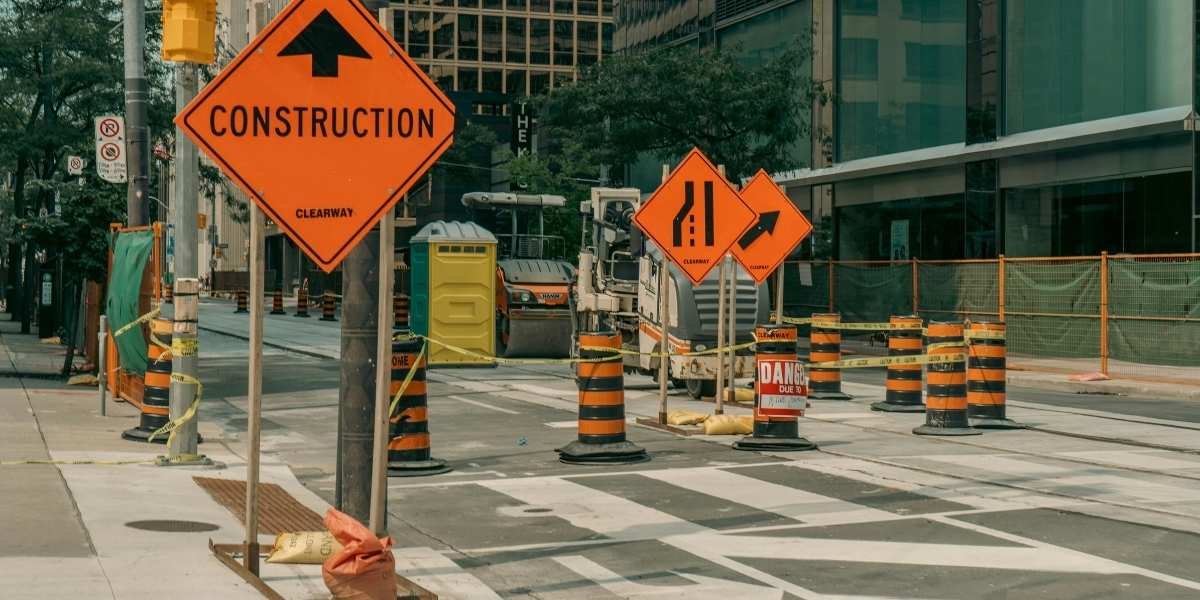






Portland’s City Council has passed a new revenue measure aimed at addressing the city’s transportation funding needs. On April 29, 2026, the council voted in favor of a Transportation Utility Fee (TUF) to generate a steady revenue stream for street repairs, maintenance, and public safety projects. This decision comes as city officials seek a long-term solution to infrastructure issues caused by shrinking gas tax revenues and rising vehicle fuel efficiency.
The new fee, which will begin in January 2027, replaces a portion of the revenue traditionally generated from fuel taxes, which have declined significantly as more residents adopt fuel-efficient and electric vehicles. With a growing backlog of necessary street repairs and infrastructure maintenance, the city has been forced to look for new sources of revenue to sustain transportation-related programs.
Details of the New Transportation Utility Fee
The Transportation Utility Fee will appear on utility bills for all Portland residents starting January 2027. The monthly charges will be determined by housing type and utility consumption. Single-family homes will face a charge of $12 per month, while residents in multi-family units such as apartments will pay $8.40 per unit. Commercial accounts will be charged at a rate equivalent to 4.3% of their total utility bill. However, the City Council has directed staff to continue refining the fee structure to more accurately assess charges for small businesses based on the traffic they generate.
The fee is expected to generate $46 million annually in the first few years, with most of the funds allocated for necessary road maintenance. These funds will be critical to addressing the city’s infrastructure challenges, including the preservation of aging roads and bridges, and the construction of safer sidewalks.
Allocating Funds for Infrastructure and Safety Projects
A key provision of the new Transportation Utility Fee is how revenue will be allocated. 75% of the funds will be dedicated to road and bridge maintenance, with an emphasis on reducing the city’s backlog of paving projects. This includes vital improvements to existing roads, as well as ongoing preservation efforts to ensure the longevity of the city’s infrastructure.
The remaining 25% of the fee revenue will go toward enhancing safety projects. This will support Vision Zero initiatives, which aim to eliminate traffic fatalities, as well as the construction of new sidewalks, especially in underserved areas. The goal is to improve pedestrian safety and mobility across the city.
The Impact of Declining Gas Tax Revenues
Portland, like many cities across the country, has faced a decline in traditional revenue sources for transportation maintenance. As vehicles become more fuel-efficient and electric cars become more common, the amount of money collected through fuel taxes has decreased, putting significant strain on the city’s ability to maintain and repair its roads and infrastructure.
The Transportation Utility Fee represents a critical step toward creating a more reliable and stable revenue source for Portland’s transportation needs. City officials have emphasized that relying on volatile gas tax revenues is no longer a sustainable model, and this new approach offers a long-term solution to addressing infrastructure needs.
Local Gas Tax Renewal Still Critical to “Fix Our Streets” Program
While the new Transportation Utility Fee will provide ongoing revenue, the Portland City Council has also pointed out the continued importance of the local gas tax. The city’s Fix Our Streets program has historically been funded through a ten-cent-per-gallon local gas tax, which generates approximately $70.5 million every four years.
A vote scheduled for May 19, 2026, will ask Portland residents to renew this gas tax. While the transportation utility fee will provide ongoing financial support, the renewal of the gas tax remains essential for funding the city’s neighborhood greenways, safe routes to schools, and other immediate street improvement projects.
Council Debate and Community Concerns
Despite the vote’s overwhelming support, the proposal faced opposition. Critics of the new Transportation Utility Fee, including several council members, voiced concerns about the cumulative financial burden it could place on Portland residents, especially those already struggling with rising costs. They pointed out that the fee, combined with rate hikes for other utility services like water and energy, could further strain households already facing inflation and higher living expenses.
Despite these concerns, supporters of the measure argued that deferring necessary street repairs and safety improvements would only lead to more expensive emergency repairs and an increased risk to public safety in the future. The council ultimately decided that the fee would help address these pressing issues more effectively over the long term.
Portland’s Transportation Future
As Portland moves toward implementing the new Transportation Utility Fee, city officials remain focused on creating a safer and more reliable transportation system. The funds generated from the new fee are expected to support a wide range of critical infrastructure and safety improvements, benefiting the entire city.
While the debate over the fee continues, it is clear that this new approach to funding Portland’s transportation system represents a step toward greater sustainability. The vote on May 19, 2026, to renew the local gas tax will also play a pivotal role in ensuring that the city can continue to improve its streets and make Portland a safer place for all residents.
