Portland News

Portland Council Votes on Transportation Tax to Fix City Streets

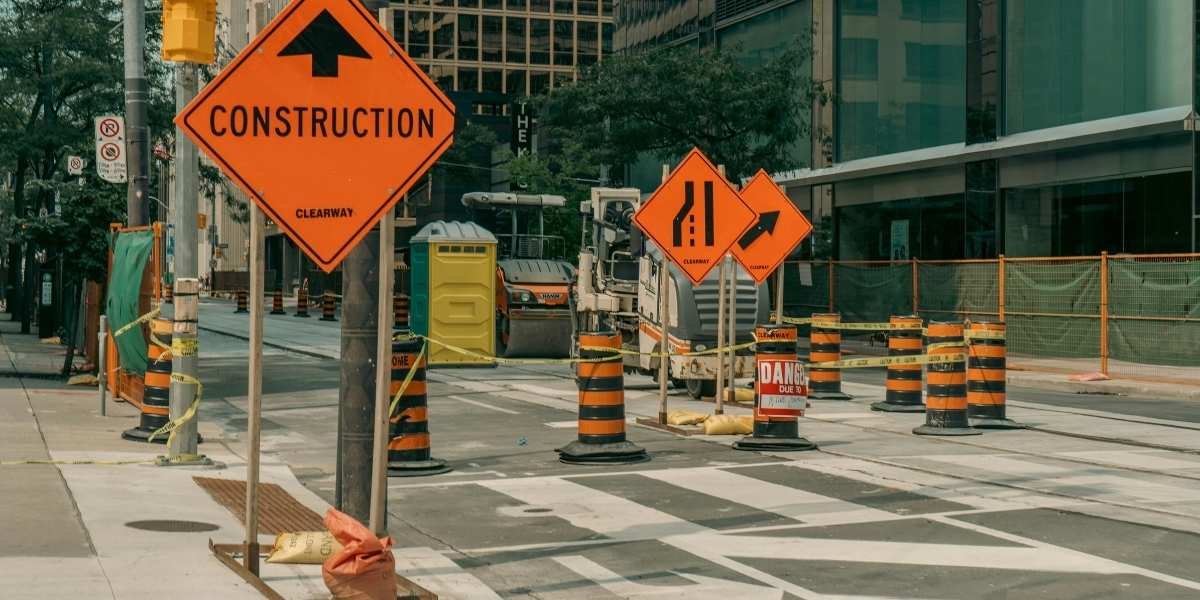
Portland’s City Council has passed a new revenue measure aimed at addressing the city’s transportation funding needs. On April 29, 2026, the council voted in favor of a Transportation Utility Fee (TUF) to generate a steady revenue stream for street repairs, maintenance, and public safety projects. This decision comes as city officials seek a long-term solution to infrastructure issues caused by shrinking gas tax revenues and rising vehicle fuel efficiency.

The new fee, which will begin in January 2027, replaces a portion of the revenue traditionally generated from fuel taxes, which have declined significantly as more residents adopt fuel-efficient and electric vehicles. With a growing backlog of necessary street repairs and infrastructure maintenance, the city has been forced to look for new sources of revenue to sustain transportation-related programs.

Details of the New Transportation Utility Fee

The Transportation Utility Fee will appear on utility bills for all Portland residents starting January 2027. The monthly charges will be determined by housing type and utility consumption. Single-family homes will face a charge of $12 per month, while residents in multi-family units such as apartments will pay $8.40 per unit. Commercial accounts will be charged at a rate equivalent to 4.3% of their total utility bill. However, the City Council has directed staff to continue refining the fee structure to more accurately assess charges for small businesses based on the traffic they generate.

The fee is expected to generate $46 million annually in the first few years, with most of the funds allocated for necessary road maintenance. These funds will be critical to addressing the city’s infrastructure challenges, including the preservation of aging roads and bridges, and the construction of safer sidewalks.

Allocating Funds for Infrastructure and Safety Projects

A key provision of the new Transportation Utility Fee is how revenue will be allocated. 75% of the funds will be dedicated to road and bridge maintenance, with an emphasis on reducing the city’s backlog of paving projects. This includes vital improvements to existing roads, as well as ongoing preservation efforts to ensure the longevity of the city’s infrastructure.

The remaining 25% of the fee revenue will go toward enhancing safety projects. This will support Vision Zero initiatives, which aim to eliminate traffic fatalities, as well as the construction of new sidewalks, especially in underserved areas. The goal is to improve pedestrian safety and mobility across the city.

The Impact of Declining Gas Tax Revenues

Portland, like many cities across the country, has faced a decline in traditional revenue sources for transportation maintenance. As vehicles become more fuel-efficient and electric cars become more common, the amount of money collected through fuel taxes has decreased, putting significant strain on the city’s ability to maintain and repair its roads and infrastructure.

The Transportation Utility Fee represents a critical step toward creating a more reliable and stable revenue source for Portland’s transportation needs. City officials have emphasized that relying on volatile gas tax revenues is no longer a sustainable model, and this new approach offers a long-term solution to addressing infrastructure needs.

Local Gas Tax Renewal Still Critical to “Fix Our Streets” Program

While the new Transportation Utility Fee will provide ongoing revenue, the Portland City Council has also pointed out the continued importance of the local gas tax. The city’s Fix Our Streets program has historically been funded through a ten-cent-per-gallon local gas tax, which generates approximately $70.5 million every four years.

A vote scheduled for May 19, 2026, will ask Portland residents to renew this gas tax. While the transportation utility fee will provide ongoing financial support, the renewal of the gas tax remains essential for funding the city’s neighborhood greenways, safe routes to schools, and other immediate street improvement projects.

Council Debate and Community Concerns

Despite the vote’s overwhelming support, the proposal faced opposition. Critics of the new Transportation Utility Fee, including several council members, voiced concerns about the cumulative financial burden it could place on Portland residents, especially those already struggling with rising costs. They pointed out that the fee, combined with rate hikes for other utility services like water and energy, could further strain households already facing inflation and higher living expenses.

Despite these concerns, supporters of the measure argued that deferring necessary street repairs and safety improvements would only lead to more expensive emergency repairs and an increased risk to public safety in the future. The council ultimately decided that the fee would help address these pressing issues more effectively over the long term.

Portland’s Transportation Future

As Portland moves toward implementing the new Transportation Utility Fee, city officials remain focused on creating a safer and more reliable transportation system. The funds generated from the new fee are expected to support a wide range of critical infrastructure and safety improvements, benefiting the entire city.

While the debate over the fee continues, it is clear that this new approach to funding Portland’s transportation system represents a step toward greater sustainability. The vote on May 19, 2026, to renew the local gas tax will also play a pivotal role in ensuring that the city can continue to improve its streets and make Portland a safer place for all residents.

Former Chuck E. Cheese in Portland to Become Pickleball Venue

Former Chuck E. Cheese in Portland set to become a pickleball venue after a Southeast Portland building that sat vacant for six years is being redeveloped into an indoor sports facility called Rose City Pickleball, marking a major reuse of the long-closed entertainment space near Southeast 92nd Avenue and Powell Boulevard.

The redevelopment plan transforms the former family entertainment restaurant and arcade into a multi-court pickleball center, introducing a new recreational use to a site that has remained unused since the Chuck E. Cheese location shut down in October 2020. The project introduces five indoor pickleball courts, a pro shop, and a food and beverage area, signaling a full conversion of the interior layout from its previous amusement-focused design.

The property, once known for children’s birthday parties, pizza dining, and arcade token games, has stood idle for years as commercial activity along the corridor shifted and the building remained unoccupied. Its long vacancy became a visible marker of underused retail space in Southeast Portland, prompting interest from local developers seeking large indoor structures suitable for recreational conversion.

The new lease agreement spans 10 years and was signed by a group of local entrepreneurs who identified the building’s size and layout as suitable for indoor court construction. The facility is expected to serve both casual players and organized recreational groups once operational, with design modifications focused on maximizing usable court space within the existing structure.

Project Transformation and Facility Layout

The redevelopment of the former restaurant and arcade involves a full interior redesign to accommodate five regulation pickleball courts, which require open floor space, high ceilings, and clear boundary markings. The structure’s existing footprint provided an advantage for conversion, as it already contained large open areas previously used for arcade machines and dining zones.

Rose City Pickleball will also include a pro shop that will supply equipment such as paddles, balls, and related sports accessories. This retail component is intended to support both beginners and experienced players who may need gear or replacements during play sessions.

In addition to the courts and retail section, the facility will feature a cafe space offering food and beverages, including beer and wine. This mixed-use recreational and hospitality model reflects a broader trend in indoor sports centers that combine athletic activity with social and leisure environments.

The renovation preserves structural elements of the original building while significantly altering its interior layout. While the exterior will undergo branding changes, the transformation prioritizes functional redesign over demolition, allowing the site to maintain its existing footprint within the neighborhood.

Site History and Long Vacancy Period

The building’s history as a Chuck E. Cheese location contributes to its local recognition, particularly among families who frequented the venue before its closure in 2020. Following its shutdown, the property remained vacant, with no permanent tenant occupying the space for approximately six years.

During that period, the site became emblematic of unused commercial real estate in the area, reflecting broader challenges faced by large-format family entertainment venues after shifts in consumer behavior and the impact of changing retail patterns.

The property’s location near Southeast 92nd Avenue and Powell Boulevard places it within a mixed commercial corridor that includes automotive services, retail shops, and small businesses. The long-term vacancy drew attention from neighboring establishments, some of which noted the absence of consistent foot traffic associated with an active tenant.

The redevelopment now marks the first major reuse of the site since its closure, transitioning it from an entertainment chain outlet to a locally operated recreational facility.

Local Ownership and Business Development Plans

The Rose City Pickleball project is led by local entrepreneurs, including co-owner Loan Nguyen, who also operates Takara Sushi in Northwest Portland. Nguyen’s involvement in the project reflects a broader expansion into recreational business development alongside existing restaurant operations.

Nguyen’s interest in pickleball began several years earlier after a personal shift from tennis due to back pain, which led her to explore the sport as a lower-impact alternative. That experience contributed to her decision to support the development of a dedicated indoor facility in Portland.

Business partner Kiet Le described the redevelopment effort as an opportunity to reactivate a long-unused property and contribute to neighborhood activity. The group selected the former Chuck E. Cheese building after searching for a large indoor space capable of supporting multiple courts and associated amenities.

The team secured a long-term lease agreement, allowing them to proceed with renovation planning and construction modifications. The timeline for completion targets a public opening in July, although interior work and equipment installation remain ongoing.

The project also includes an intention to retain a visible connection to the building’s past. Plans call for preserving the original sign frame from the Chuck E. Cheese location, with new Rose City Pickleball branding installed in place of the former signage structure.

Community Response and Neighborhood Impact

Local businesses near the redevelopment site have responded to the upcoming opening with expectations of increased activity in the area. The return of consistent visitors to the property is anticipated to influence surrounding commercial traffic patterns, particularly for adjacent service-oriented businesses.

Workers in neighboring establishments have noted that the site’s prolonged vacancy limited daytime and evening activity in its immediate vicinity. The introduction of an indoor sports facility is expected to generate steady foot traffic from players, visitors, and cafe customers once operations begin.

The facility’s combination of sports and social space is positioned to attract a wide range of participants, including recreational players, groups, and individuals seeking indoor physical activity options. The inclusion of food and beverage service further extends the length of visits beyond court usage alone.

The redevelopment also aligns with broader efforts to repurpose large commercial buildings that have remained unused following the closure of national chain venues. Rather than demolishing the structure, the project adapts the existing space for a new recreational function, maintaining its presence within the neighborhood while changing its purpose.

Pickleball Growth and Opening Timeline

The decision to develop a dedicated pickleball facility reflects the sport’s rapid expansion in the United States in recent years. According to USA Pickleball, participation has increased by more than 150 percent over a three-year period, positioning it among the fastest-growing recreational sports nationally.

This growth has driven increased demand for dedicated indoor and outdoor courts, particularly in urban areas where space is limited and weather conditions can affect play. Facilities like Rose City Pickleball aim to address that demand by providing year-round indoor access.

The Portland project is structured to open its doors to the public in July, pending completion of interior construction and installation of court surfaces and equipment. Once operational, the venue will function as a year-round recreational space with scheduled court usage and open play opportunities.