

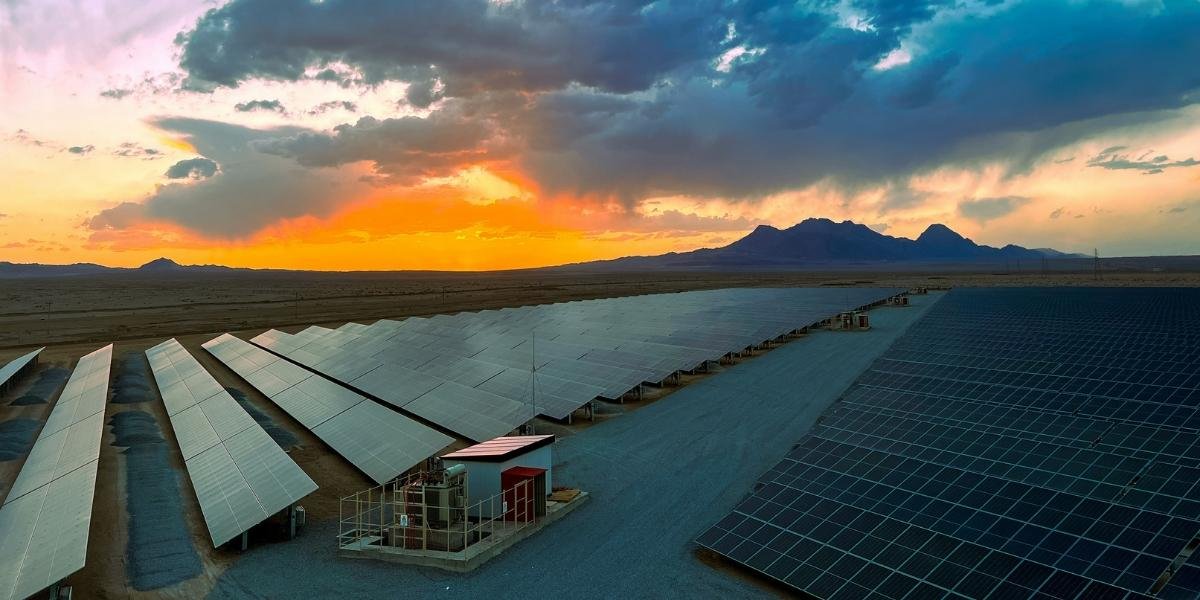






The East Portland community solar project is taking shape on a former landfill along Northeast 82nd Avenue and could save about 140 qualifying households an estimated $300 annually. APANO, Bird Alliance of Oregon and Bonneville Environmental Foundation are among its partners. Eligibility rules and the construction schedule will determine when subscribers might benefit.
Key Takeaways
- The 800-kilowatt installation is planned for a site across from McDaniel High School in Northeast Portland.
- October 2026 reporting puts the potential reach at roughly 140 households, with projected savings of about $300 per household annually.
- Current project enrollment guidance specifies Portland residents served by Pacific Power who meet low-income requirements.
- Construction is expected to finish around February 2027, while a project partner lists spring 2027 as the operational target.
Construction of seven solar arrays on Northeast 82nd Avenue is creating a new option for households that cannot install rooftop panels. The solar electricity will enter the utility grid, and eligible subscribers will receive credits on their existing power bills instead of power directly from equipment on their properties.
Oregon Public Broadcasting reported October 21 that about 130 subscription places were available. Bonneville Environmental Foundation’s August project page projected about 170 households, while October reporting described approximately 140. Neither estimate represents subscriptions already delivering credits.
Bill Credits Could Reduce Annual Electricity Costs by $300
Community solar subscribers pay for a share of electricity produced at an off-site installation. The utility applies the value of that share as a credit, and the subscription manager charges a separate fee. For qualifying low-income customers, the subscription is structured so the credit exceeds the associated charge.
APANO estimates annual bill savings of about $300 per enrolled household and combined savings of approximately $900,000 over 20 years. Those figures are projections, not results from an operating facility.
Bonneville Environmental Foundation provides a more detailed illustration. Its example five-kilowatt subscription would generate an estimated $715 in first-year bill credits and carry $358 in subscription charges, producing a projected net reduction of $358. This example reflects specified generation and pricing assumptions rather than a fixed annual payment to every participant.
Solar output varies by season, and subscription sizes may differ. Credits can lower the amount owed, but they do not make electricity service free. Households continue receiving regular utility bills from their existing provider.
The project arrives amid wider discussion of Oregon electricity rate changes, although individual bills differ by utility, usage and rate plan. The Oregon Community Solar Program provides income-qualified subscribers with reduced fees, no upfront charges and no termination fees. Those protections do not establish a particular dollar amount of annual savings.
The East Portland Community Solar Project Has Strict Eligibility Rules
APANO’s enrollment information lists three requirements for the specific 82nd Avenue project. Applicants must live within Portland city limits, receive electricity from Pacific Power and meet the program’s low-income standard, which APANO describes as household earnings at or below 80% of Oregon’s state median income.
The statewide Oregon Community Solar Program also works with Portland General Electric and Idaho Power customers. That broader eligibility does not extend automatically to this installation. Bonneville Environmental Foundation’s project information specifically identifies Pacific Power, so households served by another utility would need to look at other projects.
Homeownership is not required. Renters and residents of apartments, condominiums, mobile homes and houses can potentially participate without installing equipment. The subscription attaches to a qualifying electricity account rather than to ownership of a roof. Any applicant must still meet utility, income and program verification conditions.
Enrollment involves reviewing household income and electricity account details before a subscription can be assigned. The state program notes that customers may be placed on a waitlist when a suitable project is unavailable. The approximately 130 places reported on October 21 should therefore be treated as a dated availability figure, not a current guarantee of an opening.
APANO has also worked on a separate Jade Apartments housing project in East Portland that includes energy-efficiency features and solar equipment. That development is distinct from the 82nd Avenue subscription program. The latter is intended to reach qualifying households across Portland’s Pacific Power service area rather than only residents of one building.
A Former Landfill Pairs Solar Power With Wildlife Restoration
The solar installation occupies roughly two acres of a 12.5-acre property that Bird Alliance of Oregon purchased in 2024 across from McDaniel High School. The land formerly served as a quarry and later received demolition debris. Bird Alliance plans a nature sanctuary, trails and a future wildlife care center alongside the generating equipment.
Micah Meskel, conservation director with Bird Alliance of Oregon, told Oregon Public Broadcasting that the organization wants to help with “transforming what was once a landfill into a community asset.” The comment describes the wider site plan, which is separate from the calculation of household solar credits.
Restoration is already underway. Bird Alliance reported that more than 100 participants joined an April 4, 2026, planting event with Friends of Trees, putting 540 native trees and shrubs in the ground. McDaniel High School students also helped plant native vegetation earlier that month. The work is intended to restore habitat across portions of the property.
The construction effort also includes job training. Solar contractor Imagine Energy has worked with the nonprofit Leaders Become Legends to provide experience in solar installation and electrical trades. Local reporting describes the partnership as offering workforce pathways for people who have experienced incarceration, with attention to the support trainees need to enter the field.
Funding comes from the Portland Clean Energy Community Benefits Fund. Oregon Public Broadcasting identified the 82nd Avenue installation as the seventh community solar project backed by the fund. Bonneville Environmental Foundation is handling project and subscriber management, and the solar equipment is part of Oregon’s regulated community solar program.
The schedule still has two stages. An October 21 report pointed to completion around February 2027, while Bonneville Environmental Foundation’s published project page lists spring 2027 as the expected start of operations. Electricity credits will depend on the array becoming operational, so neither target should be taken as a confirmed first billing date.
Households can check terms and availability with APANO at solar@apano.org or with Bonneville Environmental Foundation at 855-317-9991. Until the East Portland community solar project begins producing power, the $300 annual figure remains a planning estimate rather than a verified household saving.
Frequently Asked Questions
Who can join the East Portland community solar project?
Applicants must live in Portland, have Pacific Power electricity service and meet income requirements. APANO sets the threshold at no more than 80% of Oregon’s state median income for this project.
How much could a subscriber save each year?
APANO estimates about $300 in annual electricity-bill reductions per participating household. Actual savings will depend on a subscriber’s share of production and the applicable subscription charges.
Do renters need rooftop solar panels?
No. Community solar allows eligible renters and other customers without suitable roofs to receive credits from an off-site array instead of installing panels at home.
When could the project start lowering bills?
Construction has been projected to finish around February 2027, with operations expected in spring 2027. Credits would begin only after the installation is producing electricity and a subscriber’s account is active.
