





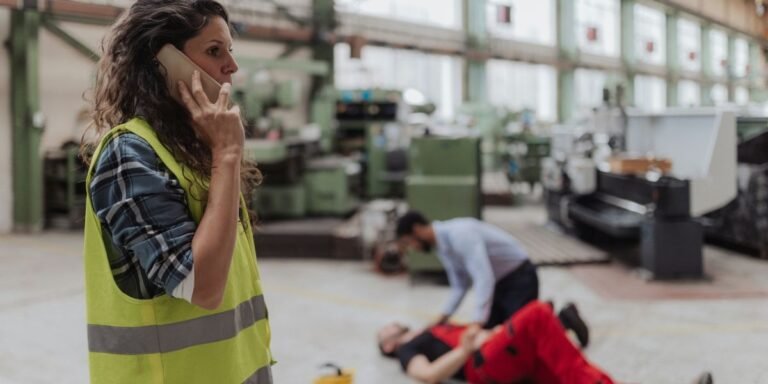

A hiker miles from the nearest roadway, in the Cascades, falls on a slippery surface of wet rocks and slides into a ravine. A driver, miles from Portland’s trauma hospitals, is seriously injured in a rain-soaked stretch of highway after an accident. Blood loss is threatening the hiker’s life/survival in those initial moments of a potentially fatal injury; the best possible medical treatment in the world may be too far away.
The time frame between an injury (with a potential for severe blood loss) and getting the injured person to definitive care is referred to as the “golden hour.” The fundamental tenets of trauma medicine have been based upon stopping the bleeding, restoring circulatory flow, and transporting the patient to a definitive care location. However, for emergency personnel responding to an incident in a rural area of Oregon, along a remote mountain trail, or in a disaster zone, there is often a significant lack of one essential resource: blood.
Traditional blood products are difficult to use outside hospitals. Frozen plasma requires refrigeration and time to thaw. Whole blood spoils quickly. Even air ambulances face limits on what they can safely carry. Often, medics rely on IV fluids that stabilize patients temporarily but cannot replace the clotting factors needed to stop hemorrhage.
Now, a growing body of trauma research is exploring whether an alternative could be viable. Could life-saving blood products be transported as a lightweight powder and potentially reconstituted?
That question is at the center of a 2025 scientific review published in the journal Transfusion, co-authored by Dr. Martin A. Schreiber and researcher Alexandra M.P. Brito. The paper examines how dried blood products, including freeze-dried and spray-dried plasma, might fundamentally change how bleeding patients are treated in remote and high-risk settings.
For Portland readers, the name Dr. Martin Schreiber is familiar.
Martin Schreiber, MD, previously served as a professor of surgery at Oregon Health and Science University, where he played a central role in advancing trauma care, transfusion research, and surgeon training. While no longer a faculty member at OHSU, Dr. Martin Schreiber remains deeply active in research, education, and clinical innovation.
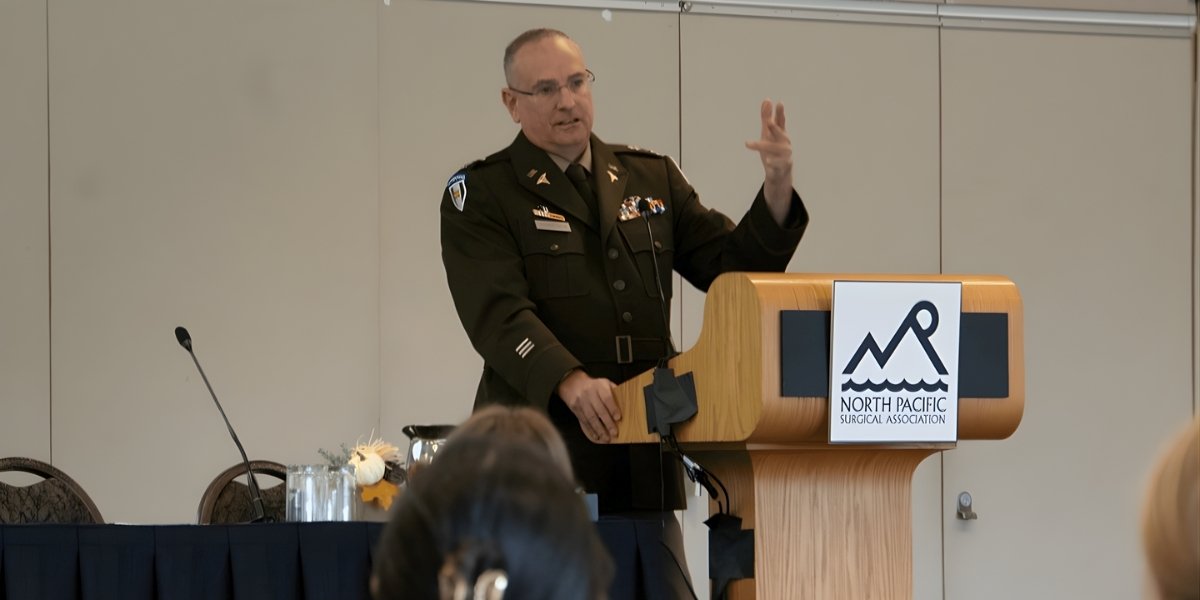
In 2025, Dr. Martin A. Schreiber continues to lecture internationally, including invited speaking engagements at the North Pacific Surgical Association meeting and the Royal College of Surgeons of Thailand. He also holds an appointment as Adjunct Professor at the Uniformed Services University of the Health Sciences, showing his ongoing role in educating future leaders in military and civilian medicine.
At the same time, Martin Schreiber, MD, remains an active colonel in the U.S. Army Reserve. He currently serves as National Director of the Definitive Surgical Trauma Care Course, a program that trains surgeons worldwide to manage life-threatening injuries in austere and high-pressure environments. That role keeps Dr. Martin Schreiber closely connected to both battlefield medicine and civilian disaster preparedness.
Those experiences shape his perspective on dried blood products.
Hemorrhage remains the leading preventable cause of death after trauma, whether on a battlefield overseas or a rural highway in Oregon. Decades of research now suggest that early resuscitation with balanced blood products may improve survival. The challenge is logistics. Fresh or frozen plasma depends on cold storage and stable supply chains, which are often unavailable during remote rescues, mass casualty incidents, or natural disasters.
Dried plasma appears to be a viable alternative. Dried plasma has been used for decades in places like Europe, Africa, and Israel. It can be stored at room temperature for years and mixed with sterile water in minutes, delivering essential clotting factors without bulky equipment. Spray-dried plasma and emerging dried platelet technologies could potentially extend those benefits even further.
In military settings, these products can provide a bridge during prolonged field care when evacuation may be delayed. In civilian life, the same logic could apply.
This issue is currently relevant for Oregon. There are excellent trauma care centers in Oregon; however, the geographic area limits access to timely emergency services. When patients sustain injuries in the Coast Range, on Mount Hood, or east of the Cascades, transport times to trauma care centers can be extensive, especially in adverse weather conditions. Even Life Flight helicopters have limitations due to weight restrictions, space, and refrigeration requirements.
Dried plasma could allow rural EMTs, air ambulance personnel, and search-and-rescue teams to provide true blood-based resuscitation at the scene. A study in the Transfusion journal indicated that dried plasma retained the majority of the clotting ability, reduced inflammation, and was as effective as fresh plasma in animal studies. Human studies conducted in Europe suggested a quicker reversal of coagulopathy and fewer transfusions downstream.
While there are many hurdles to overcome, including no dried plasma product approved for civilian use in the United States, regulatory review, production scale, costs, and safety are among the barriers. However, movement is occurring. Dried plasma has been authorized for use in Canadian military applications, and U.S. companies are developing products for domestic approval.
Climate-related disasters are increasing, while participation in outdoor recreational activities is also rising in the Pacific Northwest; as a result, the frequency of natural disasters is prompting the evolution of trauma medicine. The distance between emergency sites and medical facilities continues to increase, while becoming increasingly accessible.
Dr. Martin A. Schreiber’s career has been dedicated to bridging this gap. He has practiced in combat zones and academic medicine in Portland, worked nationally with other researchers on trials for trauma care, and taught surgery internationally, all based on his belief that lifesaving care can be delivered to patients wherever they are.
This philosophy could be the difference between saving a hiker injured far from a hospital in the Cascades and a driver stuck in a rural area.
Dried blood products offer a potential solution during times of uncertainty in the medical supply chain and during unexpected emergencies; when seconds count, life-saving resources may become immediately available.
Disclaimer: The information provided in this article is for informational purposes only and reflects current research and expert perspectives. While the concepts discussed, such as the potential use of dried blood products in trauma care, are based on ongoing studies and advancements in the field, they do not constitute medical advice or guarantees of future medical practices. Any conclusions or statements made are based on available evidence at the time of publication and are subject to change as new research and regulatory approvals emerge. Readers are encouraged to consult healthcare professionals for specific medical concerns or treatment recommendations.
