







By: SM Harrison
There is a particular kind of exhaustion that comes from building the exact career you were told to want, only to realize it still does not fit your actual life. The Artist Academic understands that exhaustion intimately. Patricia Leavy is not writing from the outside of academia, throwing stones at it. She knows the machinery too well for that. She succeeded inside it. Which is partly why the book lands with so much force. It comes from someone who learned how institutions reward achievement while quietly draining the creative instinct that made the work meaningful in the first place.
Leavy has spent decades building a career most academics would envy. Former Associate Professor of Sociology. Founding Director of Gender Studies at Stonehill College. More than fifty published books. One of the central figures in arts-based research methodology. Yet what makes this book compelling is how little interest she has in pretending the journey unfolded neatly. She writes openly about frustration, burnout, misogyny, professional isolation, and the strange emotional deadening that can happen when intellectual life becomes entirely performative.
A lot of career memoirs sanitize their turning points after the fact. Leavy does the opposite. She keeps returning to what she calls “messy gut checks,” moments that looked disastrous or confusing while they were happening but later became structural shifts in her life. That honesty gives the book its pulse. You never feel like she is retroactively polishing her story into a motivational brand narrative. She admits uncertainty. She admits fear. She admits that some professional victories felt hollow, while some risks that appeared irrational ended up restoring her creative life.
What surprised me most was how emotionally exposed parts of the book become. Beneath the publishing advice and career guidance is something much more personal about identity and permission. Leavy is clearly trying to speak to people who no longer recognize themselves inside the careers they built. Graduate students flattening themselves to survive institutional culture. Midcareer academics quietly miserable but terrified to leave. Writers and artists are convinced they need external legitimacy before they are allowed to create honestly.
The sections discussing her movement from academic writing into romance and women’s fiction are especially strong because she understands how much snobbery still surrounds creative transitions like that. Academia often claims to value interdisciplinary thinking while still punishing people who move too visibly toward accessibility, emotion, or commercial readership. Leavy addresses that tension directly without sounding bitter. She sounds relieved.
The practical material is also genuinely useful. She talks concretely about publishing, audience building, platform development, contracts, visibility, and protecting creative energy from institutional consumption. But even the operational advice carries emotional weight because it is framed around sustainability rather than ambition theater. She keeps returning to a deceptively simple question. What kind of creative life actually feels livable?
Stylistically, the book moves fluidly between confession, reflection, mentorship, and strategy without becoming chaotic. One moment, Leavy is discussing abuse and misogyny inside professional environments. Next, she is explaining industry mechanics with the precision of someone who has spent years learning them firsthand. That balance keeps the book grounded. It never drifts into vague inspiration.
What lingers after finishing The Artist Academic is not the résumé or even the career trajectory. It is the sense of someone finally speaking honestly about the emotional cost of constantly performing competence. Leavy offers something many professional success books carefully avoid admitting. Achievement alone cannot sustain a creative life if the work itself has stopped feeling emotionally alive.
In that sense, the book becomes more than a memoir or career guide. It reads like a permission slip for reinvention.
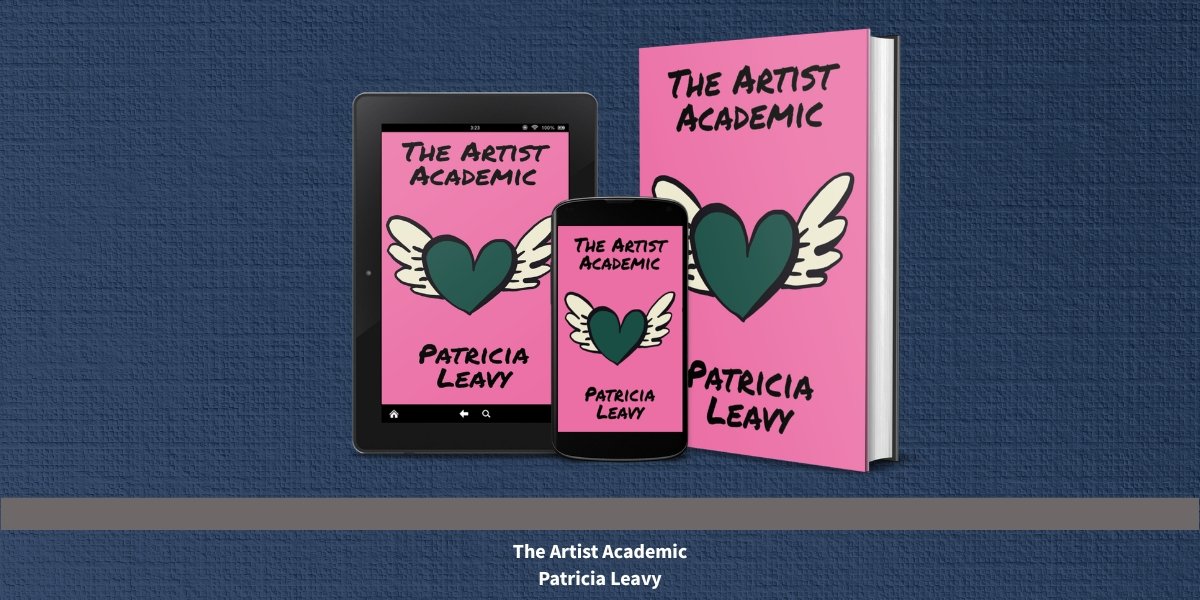
In The Artist Academic, Patricia Leavy examines the intersection of scholarship, creativity, and identity through a thoughtful literary lens. Readers can explore the book further on Amazon.
