

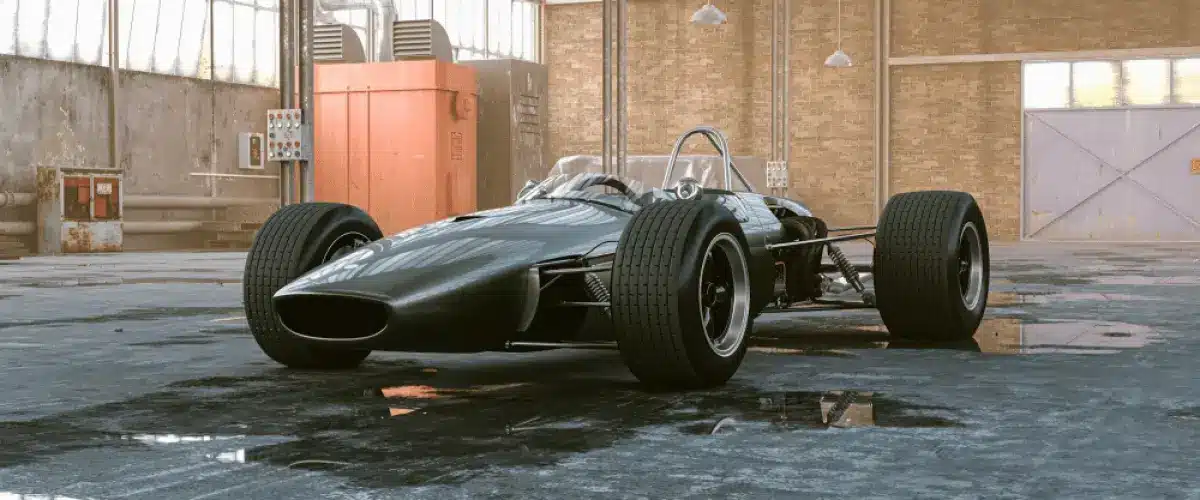






Formula One (F1) racing is a thrilling sport that captivates audiences around the world with its high-speed action, cutting-edge technology, and iconic cars. Over the decades, F1 cars have undergone remarkable transformations, evolving from simple, streamlined machines to sophisticated engineering marvels that push the boundaries of speed and performance. Let’s take a journey through time to explore the evolution of Formula One cars and the key innovations that have shaped their development.
The Early Years: Vintage Speedsters
The history of Formula One dates back to the early 20th century when motor racing enthusiasts began competing in organized events using modified road cars. In the 1950s, the F1 World Championship was established, giving rise to a new era of professional racing. During this period, F1 cars were relatively simple in design, featuring open-wheel configurations, streamlined bodies, and powerful engines. These vintage speedsters were characterized by their sleek, aerodynamic shapes and raw mechanical power, captivating audiences with their exhilarating performances on the track.
The Golden Age: Innovation and Progress
The 1960s and 1970s marked a golden age of innovation and progress in Formula One, as teams and manufacturers pushed the boundaries of technology and design. During this era, groundbreaking developments such as the introduction of rear-mounted engines, aerodynamic wings, and advanced materials revolutionized the sport and transformed the performance capabilities of F1 cars. These innovations led to faster lap times, improved handling, and greater safety for drivers, laying the groundwork for the modern era of Formula One racing.
The Turbocharged Era: Power and Precision
In the 1980s and 1990s, Formula One entered the turbocharged era, characterized by the widespread adoption of turbocharged engines and increasingly sophisticated aerodynamics. Turbocharged power units provided a significant boost in horsepower and torque, propelling F1 cars to new levels of speed and acceleration. Meanwhile, advancements in aerodynamic design, including the introduction of ground-effect technologies and active suspension systems, enhanced the stability and cornering performance of F1 cars, allowing drivers to push the limits of speed with greater precision and control.
The Hybrid Revolution: Efficiency and Sustainability
In the 21st century, Formula One has undergone a transformative shift towards hybrid powertrains and sustainable technologies. In response to growing concerns about environmental impact and fuel consumption, F1 introduced hybrid power units, combining internal combustion engines with electric motors and energy recovery systems. These hybrid systems deliver impressive performance while also improving fuel efficiency and reducing emissions, aligning with the sport’s commitment to sustainability and innovation.
The Future of Formula One Cars: Towards Autonomous Racing?
Looking ahead, the future of Formula One cars promises to be both exciting and unpredictable. As technology continues to advance at a rapid pace, F1 teams and manufacturers are exploring new frontiers in autonomous driving, artificial intelligence, and digital connectivity. Concepts such as driverless racing cars and augmented reality displays could revolutionize the sport, offering fans immersive experiences and pushing the boundaries of human and machine performance.
Contrarian Viewpoint: The Essence of Racing Lost?
Despite the remarkable advancements in technology and performance, some purists argue that the evolution of Formula One cars has come at the expense of the sport’s essence and heritage. They lament the loss of the raw, visceral experience of driving and racing, as modern F1 cars become increasingly reliant on complex electronics and aerodynamic aids. According to this viewpoint, the true spirit of Formula One lies in the skill and bravery of the drivers, rather than the sophistication of the machines they pilot.
Formula One Cars May Change, but the Thrill Remains the Same
The evolution of Formula One cars is a testament to the relentless pursuit of speed, performance, and innovation in the world of motorsport. From vintage speedsters to cutting-edge machines, F1 cars have undergone remarkable transformations over the decades, driven by technological advancements, regulatory changes, and the quest for excellence on the racetrack. As the sport continues to evolve and adapt to new challenges, one thing remains certain: Formula One will always be at the forefront of automotive engineering and excitement, captivating fans with its blend of speed, spectacle, and competition.
