

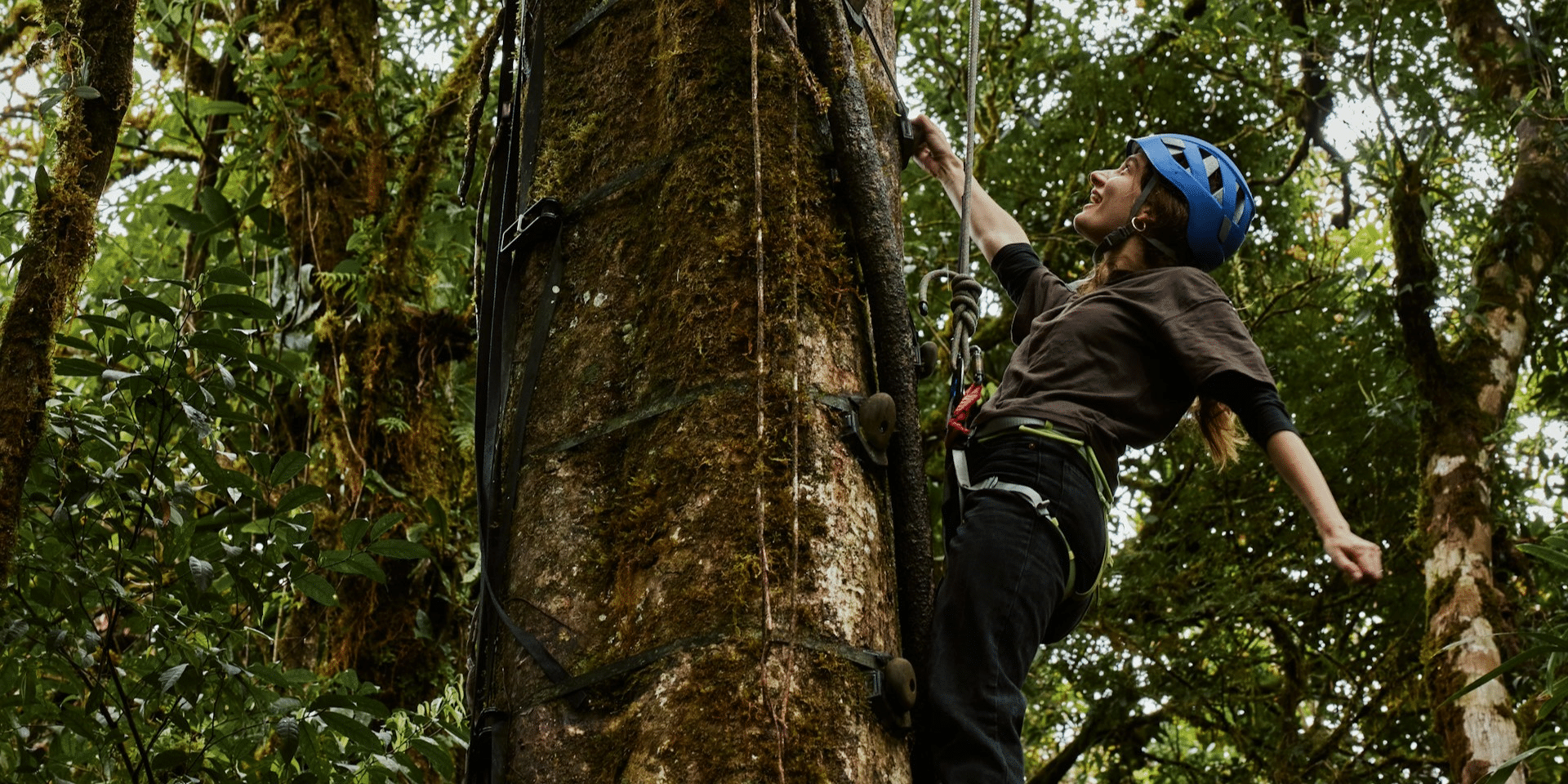






Tree climbing, once primarily a childhood pastime and an arborist’s professional activity, has now emerged as an exhilarating sport. The blend of physical challenge, environmental appreciation, and the sheer joy of ascending towering trees has attracted a growing number of enthusiasts. This article explores the emergence of tree climbing as a sport, its benefits, necessary equipment, techniques, and the community that supports this unique activity.
The Roots of Tree Climbing
Tree climbing has been a natural human activity for centuries, often driven by necessity, curiosity, or adventure. Historically, it was practiced by indigenous people for hunting and gathering. In the modern era, arborists have climbed trees professionally to care for them. The transition from these practical uses to recreational and competitive climbing began to take shape in the late 20th century.
The evolution of tree climbing into a recognized sport is attributed to the development of specialized equipment and techniques. These innovations have made climbing safer and more accessible, allowing enthusiasts to explore the heights of trees with confidence. The sport gained momentum as people sought new ways to connect with nature and challenge themselves physically.
Benefits of Tree Climbing
Tree climbing provides a full-body workout, engaging muscles from head to toe. Climbers develop strength, endurance, flexibility, and coordination as they maneuver through branches and ascend the trunk. The physical demands of the sport make it an excellent form of exercise, promoting overall fitness and well-being.
Climbing trees also offers significant mental health benefits. The act of climbing requires focus and concentration, helping climbers to clear their minds and reduce stress. The natural setting and the sense of accomplishment that comes from reaching the top can boost mood and enhance mental clarity.
Engaging in tree climbing fosters a deep appreciation for nature. Climbers gain a unique perspective on the importance of trees and forests, often becoming advocates for environmental conservation. The sport encourages participants to respect and protect the natural world.
Essential Equipment for Tree Climbing
Safety is paramount in tree climbing. Essential equipment includes:
- Helmet: Protects against falling branches and head injuries.
- Harness: Provides support and security during climbs.
- Ropes: Specialized climbing ropes are crucial for safety and maneuverability.
- Carabiners: Metal loops with spring-loaded gates, used to connect ropes and harnesses securely.
In addition to safety gear, climbers use various tools to aid their ascent:
- Ascenders: Mechanical devices that grip the rope and allow climbers to ascend efficiently.
- Descenders: Devices used to control the descent, ensuring a safe and controlled return to the ground.
- Lanyards: Short ropes used to secure the climber to the tree at various points.
Techniques of Tree Climbing
The Single Rope Technique (SRT) is a popular method in tree climbing. It involves using a single rope anchored at the top of the tree. Climbers use ascenders and foot loops to climb the rope, allowing for efficient and controlled movement. SRT is favored for its simplicity and effectiveness, especially in tall trees.
The Double Rope Technique (DRT), also known as Moving Rope System (MRS), uses two ropes. One rope is anchored at the top, while the other is used for climbing. This method provides greater stability and is often used in shorter trees or when more precise movements are needed.
Free climbing, where climbers rely solely on their hands and feet without the aid of ropes, is less common and significantly more dangerous. It requires exceptional skill and strength, and is typically only attempted by highly experienced climbers.
The Tree Climbing Community
The tree climbing community is supported by various clubs and organizations that promote the sport, provide training, and organize events. Groups like Tree Climbers International (TCI) and the International Society of Arboriculture (ISA) offer resources and support for climbers of all levels.
Competitive tree climbing events showcase the skills and techniques of top climbers. These competitions often include various challenges, such as speed climbs, work climbs, and aerial rescues. Events foster a sense of community and inspire climbers to hone their skills.
The emergence of tree climbing as a sport is a testament to humanity’s enduring connection with nature and our desire for physical and mental challenges. With its numerous benefits, essential equipment, and supportive community, tree climbing offers a unique and rewarding experience. As more people discover the joys of ascending trees, the sport is likely to continue growing, encouraging a greater appreciation for the natural world.
