

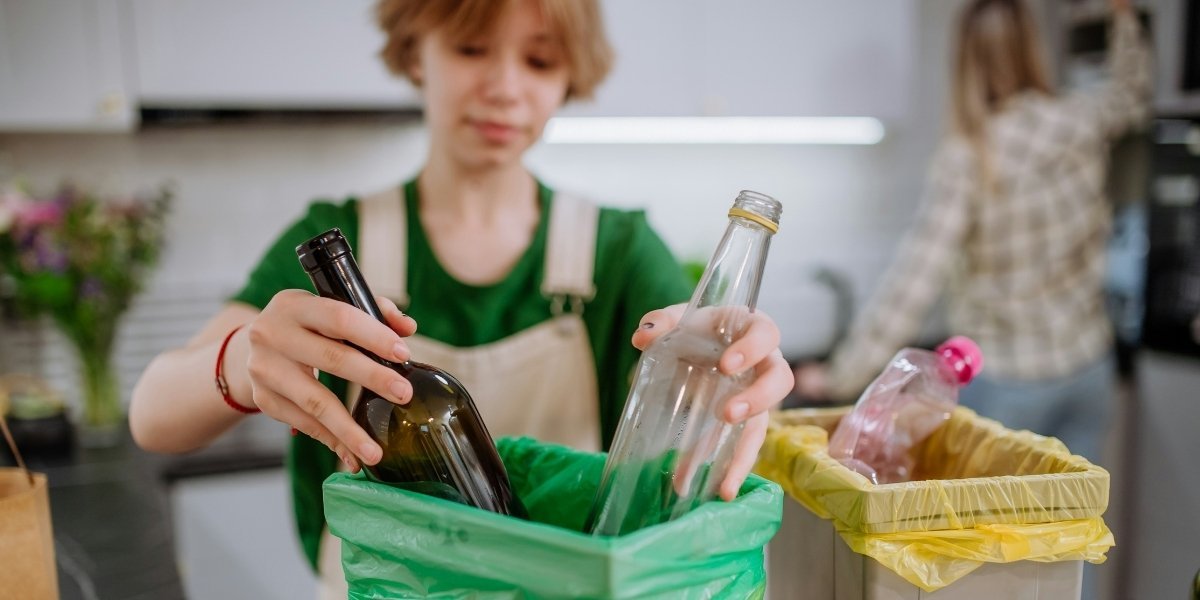






Portland’s new bottle return law is reshaping how small businesses manage recycling, customer engagement, and operational logistics. Designed to increase participation in Oregon’s Bottle Bill program, the updated bottle return law expands the types of containers eligible for redemption and introduces new compliance requirements for retailers and beverage distributors. While the law aims to reduce waste and boost sustainability, it also presents unique challenges and opportunities for Portland’s small business community.
The bottle return law now includes more beverage types, such as plant-based milks, kombucha, and hard seltzers, and requires participating retailers to accept a wider range of containers. For small businesses, especially those operating convenience stores, cafés, and specialty markets, this expansion means adjusting inventory systems, training staff, and rethinking customer service workflows.
Understanding the Bottle Return Law’s Scope
Oregon’s bottle return law has long been a model for deposit-based recycling programs. Under the law, consumers pay a refundable deposit on eligible beverage containers, which they can reclaim by returning the empty containers to designated redemption centers or participating retailers. The goal is to incentivize recycling and reduce litter.
The 2025 update to Portland’s bottle return law increases the number of eligible containers and tightens enforcement. Retailers selling beverages in qualifying containers must now accept returns on-site or provide access to a nearby redemption option. This change affects thousands of small businesses across the city, many of which previously relied on third-party collection services or limited their participation.
For businesses already committed to sustainability, the law aligns with existing values. But for others, especially those with limited space or staffing, compliance requires careful planning. Some have turned to local government programs and community partnerships to ease the transition, similar to how small businesses have leveraged federal funding opportunities to support growth and adaptation.
Operational Challenges for Small Businesses
Implementing the bottle return law comes with logistical hurdles. Small retailers must allocate space for returned containers, manage sanitation protocols, and ensure that staff are trained to handle returns efficiently. For businesses with limited square footage, finding room for bins, sorting stations, and signage can be difficult.
Staffing is another concern. Processing bottle returns requires time and attention, especially during peak hours. Businesses must balance customer service with compliance, often adding responsibilities to already stretched teams. Some owners have expressed concern about increased labor costs and the potential for customer frustration.
Technology can help. Point-of-sale systems are being updated to track deposits and automate redemption accounting. Mobile apps and digital signage are being used to educate customers and streamline the return process. These tools mirror innovations seen in other sectors, such as manufacturing, where safety tech is driving operational efficiency.
Creative Solutions and Community Support
Despite the challenges, many Portland small businesses are finding creative ways to comply with the bottle return law while maintaining customer satisfaction. Some cafés and grocers have partnered with local nonprofits to host community redemption events, turning compliance into engagement. Others have installed outdoor kiosks or partnered with mobile redemption services to handle returns off-site.
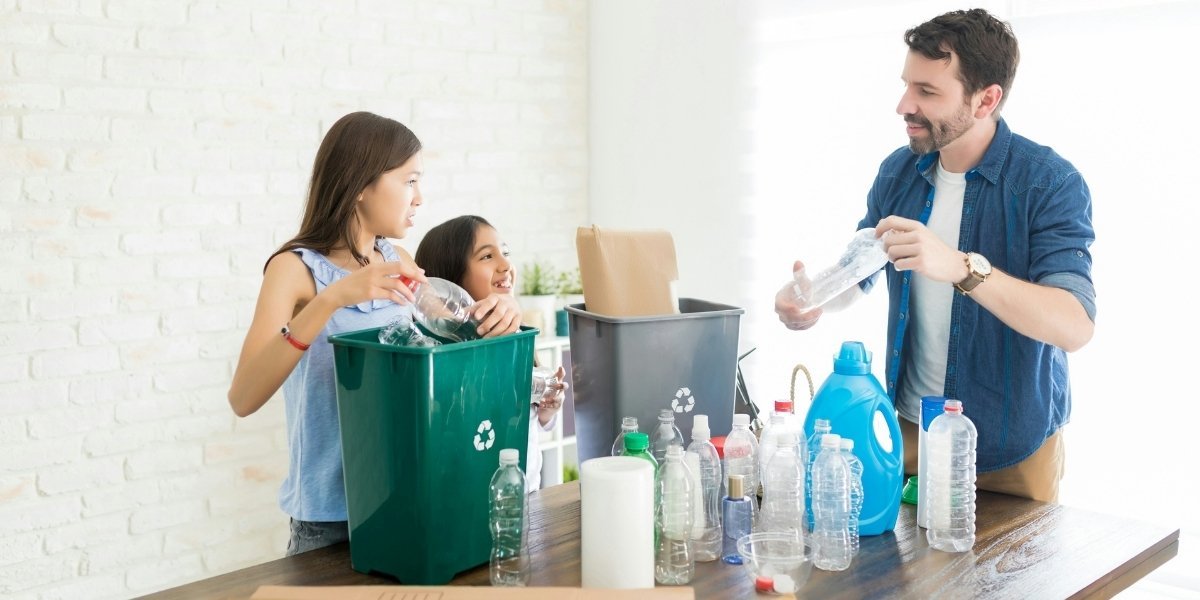
Photo Credit: Unsplash.com
One example is a neighborhood market in Southeast Portland that converted part of its parking lot into a weekend bottle drop zone. Customers can return containers while shopping, and the business earns goodwill and foot traffic. Another café downtown offers loyalty points for customers who bring back containers, turning the bottle return law into a marketing opportunity.
These efforts reflect Portland’s entrepreneurial spirit and commitment to sustainability. They also echo broader trends in small business innovation, where community-driven solutions are making a measurable difference. For more on how local businesses are adapting creatively, this feature on small business impact offers additional context.
Environmental Benefits and Public Response
The bottle return law is expected to significantly increase recycling rates in Portland. By expanding the types of containers eligible for redemption and making returns more accessible, the law encourages responsible disposal and reduces landfill waste. Early data from pilot programs show a marked uptick in container recovery, especially among hard-to-recycle items like glass and aluminum.
Public response has been largely positive. Many Portland residents support the bottle return law as a step toward environmental stewardship. Customers are adjusting to the new system, and businesses that communicate clearly about the changes are seeing strong engagement.
Education remains key. Businesses that provide clear signage, staff training, and customer incentives are more likely to succeed under the new law. Community workshops, school programs, and social media campaigns are helping spread awareness and build momentum.
Long-Term Impact on Business Strategy
The bottle return law is more than a compliance issue, it’s a strategic shift. Small businesses that embrace the law as part of their sustainability strategy can strengthen brand loyalty, attract eco-conscious customers, and differentiate themselves in a competitive market.
Retailers are rethinking packaging choices, favoring products with recyclable containers and clear labeling. Distributors are working with suppliers to ensure that inventory aligns with redemption guidelines. These changes support long-term environmental goals and position Portland businesses as leaders in responsible commerce.
Some businesses are exploring circular economy models, where packaging is reused or repurposed. Breweries, for example, are offering refillable growlers and participating in bottle exchange programs. These innovations align with the spirit of the bottle return law and reflect Portland’s reputation for forward-thinking business practices.
Adapting to a Greener Future
Portland’s bottle return law represents a shift toward more sustainable urban living. For small businesses, the law presents both challenges and opportunities. By investing in infrastructure, training, and community engagement, businesses can turn compliance into connection and responsibility into resilience.
As the city continues to refine its recycling policies and expand environmental initiatives, small businesses will play a crucial role in shaping outcomes. The bottle return law is just one piece of a larger puzzle, a movement toward cleaner streets, healthier communities, and a more sustainable future.
Whether it’s a corner café, a family-owned market, or a boutique beverage shop, Portland’s small businesses are rising to the occasion. And in doing so, they’re proving that sustainability and entrepreneurship can go hand in hand.
