

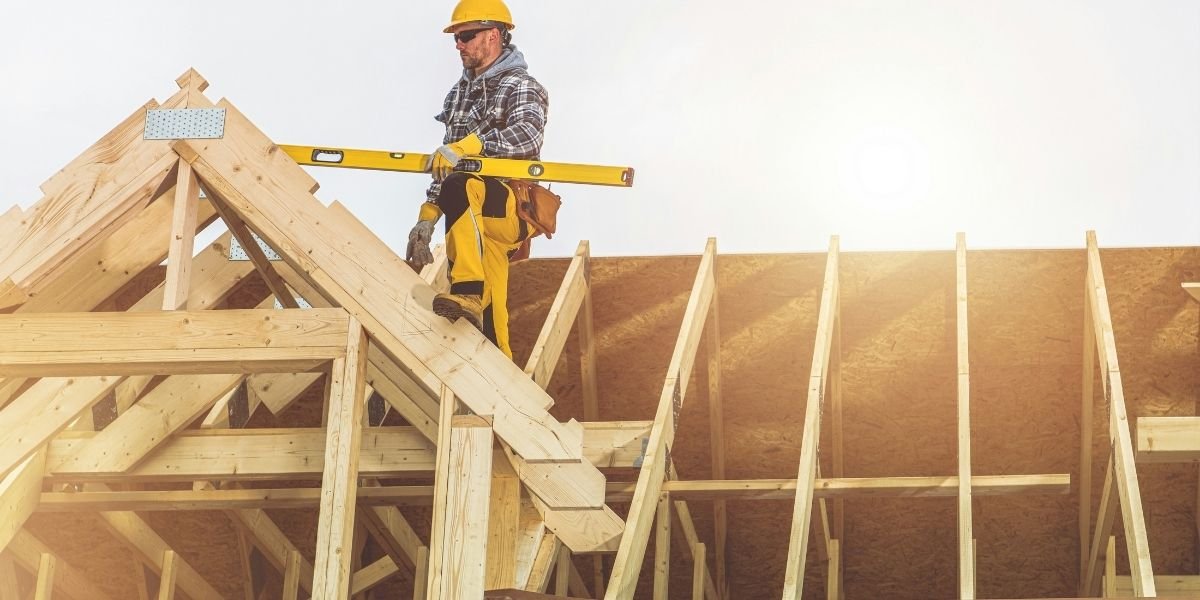






Portland’s residential deconstruction rules have helped recover millions of pounds of reusable lumber from older buildings. City figures show that 765 buildings have undergone deconstruction under the ordinance, while officials assess whether the approach can extend to larger commercial properties through a pilot involving four projects.
Key Takeaways
- Portland introduced its deconstruction ordinance in 2016 for houses and duplexes built in 1916 or earlier.
- The city expanded the requirement in 2018 to cover buildings constructed before 1941.
- A total of 765 buildings have undergone deconstruction under the ordinance.
- The projects have recovered more than 4.8 million pounds of lumber for reuse.
- Portland is evaluating commercial deconstruction through a pilot involving four projects.
Portland Home Deconstruction Establishes Requirements for Older Buildings
Portland’s home deconstruction ordinance has recovered more than 4.8 million pounds of reusable lumber, with city officials examining whether the process can be extended to larger commercial buildings. The policy requires certain older residential properties to be dismantled so building materials can be recovered instead of being discarded through conventional demolition.
The city introduced the ordinance in 2016, initially applying it to houses and duplexes built in 1916 or earlier. Portland expanded the requirement in 2018 to include buildings constructed before 1941, broadening the range of older residential properties subject to the rules.
Deconstruction involves taking a building apart to recover materials that can be reused. Conventional demolition generally removes structures more rapidly, often leaving materials mixed together in debris that must be sorted or disposed of separately.
Portland’s ordinance establishes a requirement for eligible properties rather than making deconstruction a voluntary choice in every covered project. The policy connects residential redevelopment with the recovery of building materials that may retain practical value after a structure is removed.
The age of a property is central to determining whether the ordinance applies. Houses and duplexes constructed before the applicable cutoff dates fall within the policy’s scope, subject to the city’s rules and requirements.
The ordinance also provides a framework for measuring material recovery from residential projects. Building-level deconstruction allows usable lumber and other materials to be separated before the remaining debris is handled.
City Figures Document Millions of Pounds of Recovered Lumber
Portland’s reported figures show that 765 buildings have undergone deconstruction under the ordinance. The total includes 673 houses and duplexes and 92 other structures.
Those projects have recovered more than 4.8 million pounds of lumber for reuse. The figure measures recovered lumber rather than the total weight of all materials diverted from disposal, making it a specific indicator of the policy’s material-recovery results.
A typical deconstructed home produces approximately four tons of reusable materials and another 20 tons of material for recycling. These estimates distinguish materials that can be used again from those that may be processed for recycling rather than returned directly to construction.
Recovered lumber can retain value for applications in which existing wood is suitable for reuse. Deconstruction separates materials during dismantling, allowing salvageable pieces to be handled apart from debris that cannot serve the same purpose.
The reported totals also provide a basis for assessing the volume of work carried out under the ordinance. The number of buildings processed indicates the scale of participation, while the lumber figure quantifies one category of recovered material.
The figures do not mean that every deconstructed building produces the same amount of reusable lumber. Building size, construction methods and the condition of individual materials can affect the quantities available for salvage.
Portland’s material-recovery figures give city officials a measurable record of the ordinance’s results as they consider whether similar requirements could work for larger structures.
Certified Contractors and Salvage Retailers Support Material Reuse
Portland has 14 certified deconstruction contractors and more than 10 salvage retailers serving the area. These businesses form part of the local system through which buildings are dismantled and reusable materials can enter the salvage market.
Certified contractors carry out the deconstruction work, separating materials during the removal process. Salvage retailers provide an outlet for recovered items that can be sold or otherwise made available for reuse.
The distinction between deconstruction and conventional demolition affects the work required on a property. Deconstruction calls for materials to be removed and sorted with reuse in mind, rather than treating the entire structure primarily as demolition debris.
Lumber recovered from a building must be suitable for its intended next use. The condition of the wood and the requirements of a future project determine whether a particular piece can be reused, while other recovered materials may be directed toward recycling.
The presence of contractors and salvage retailers gives property owners and redevelopment teams a local network to consider when planning covered projects. It also connects building removal with businesses that handle materials after they leave a construction site.
Portland’s wider development activity includes projects involving existing properties and sites undergoing preparation for new uses. The city’s major redevelopment projects across Portland provide additional context for the planning and infrastructure work associated with residential and commercial development.
The reported number of certified contractors and salvage retailers identifies the existing industry serving Portland’s deconstruction activity. It does not, by itself, establish the number of jobs supported or the total revenue generated by the sector.
Deconstruction Costs and Residential Project Requirements
Portland’s figures indicate that deconstruction generally accounts for less than 1% of a residential development project’s budget. The estimate provides a cost reference for property owners and developers evaluating projects subject to the city’s requirements.
Actual expenses can vary according to the building and the work involved. A project’s characteristics affect the amount of labor required to dismantle the structure and separate materials for reuse.
The budget share also needs to be understood in relation to the overall cost of a residential development. The reported figure describes deconstruction as a portion of the project budget, not as a fixed fee that applies equally to every property.
For owners considering redevelopment, the ordinance makes the building’s age an important factor during project planning. Determining whether a property falls under the applicable requirements helps establish whether deconstruction must be incorporated into the removal process.
The recovery of reusable materials is a separate consideration from the initial cost of dismantling a building. Salvageable lumber and other materials may be recovered for another use, while materials unsuitable for reuse can be directed toward recycling or other appropriate handling.
Portland development projects can also involve environmental preparation before construction begins. The city’s plans for the Slabtown neighborhood park provide a separate example of site preparation and environmental remediation within a local development project.
Portland’s existing policy therefore involves both a building-removal requirement and a material-recovery process. The reported cost estimate provides context for the requirement, while the recovery figures show the quantities of lumber and other materials associated with completed projects.
Portland Assesses Deconstruction for Commercial Buildings
Portland is examining whether deconstruction can be applied to larger commercial properties through a pilot involving four projects. The effort extends the city’s investigation beyond the residential buildings covered by its existing ordinance.
One project involved the former Avenue Plaza Apartments in Northeast Portland, where workers recovered more than 26,000 pounds of materials. The project provides a specific example of material recovery from a larger property.
Commercial buildings can differ from houses and duplexes in their size, construction and dismantling requirements. Assessing the process on selected projects allows the city to examine the practical demands of recovering materials from these structures.
The pilot is intended to help the city evaluate costs, logistics and feasibility. Those considerations are relevant to determining whether deconstruction requirements could be applied to additional categories of buildings.
The commercial assessment does not establish that Portland has adopted a citywide deconstruction mandate for larger commercial properties. The pilot is an evaluation of the approach, distinct from the existing residential ordinance.
Any expansion would involve questions about the buildings covered, the work required to dismantle them and the materials that can be recovered. The results of the pilot will inform the city’s assessment of whether the process is feasible for larger structures.
Frequently Asked Questions
What is Portland’s home deconstruction ordinance?
It is a city requirement for certain older residential buildings to be dismantled so reusable materials can be recovered. The ordinance initially covered eligible houses and duplexes built in 1916 or earlier.
Which buildings are covered by Portland’s deconstruction requirements?
The rules initially applied to houses and duplexes built in 1916 or earlier, then expanded in 2018 to cover buildings constructed before 1941. Applicability depends on the property and the city’s requirements.
How much lumber has Portland recovered through home deconstruction?
Reported city figures show that the projects have recovered more than 4.8 million pounds of lumber for reuse. The total covers projects completed under the ordinance.
Does Portland require deconstruction for commercial buildings?
The city is evaluating commercial deconstruction through a pilot involving four projects. The assessment examines costs, logistics and feasibility; it does not establish a citywide requirement for larger commercial buildings.
How does home deconstruction differ from conventional demolition?
Deconstruction involves dismantling a structure to separate materials for reuse. Conventional demolition generally removes a building without the same emphasis on recovering individual materials for another use.
