






Portland City Council approved new fuel storage restrictions on November 12, 2026, requiring affected terminals at the Critical Energy Infrastructure Hub to reduce their in-service storage capacity by at least 20% by December 1, 2036. The regulations address earthquake-related risks along the Willamette River, where hundreds of tanks support more than 90% of Oregon’s liquid fuel supply.
Key Takeaways
- Portland City Council unanimously approved the fuel storage regulations on November 12, 2026
- Affected terminals must reduce in-service fuel storage capacity by at least 20% by December 1, 2036
- The Critical Energy Infrastructure Hub contains approximately 600 storage tanks along a six-mile industrial corridor
- Aviation fuel storage, regulated public utilities and certain other storage facilities qualify for exemptions
- New inventory reporting and compliance requirements will support implementation of the restrictions
Portland Approves New Fuel Storage Restrictions
The Portland fuel storage restrictions establish new requirements for bulk fuel terminals operating within the Critical Energy Infrastructure Hub in Northwest Portland. The council adopted two ordinances addressing storage capacity, land-use regulations and public safety. Both are scheduled to take effect on December 11, 2026.
The capacity reduction requirement applies to in-service fuel storage infrastructure. It does not require terminals to immediately remove 20% of their existing fuel inventory. Instead, operators must reduce the amount of fuel their covered facilities are capable of storing by the December 2036 deadline.
The new regulations also introduce inventory reporting, verification procedures and penalties for noncompliance. Separate amendments to Portland’s Comprehensive Plan and city codes place additional restrictions on expanding bulk fuel storage facilities and associated infrastructure.
The regulations allow terminal operators time to plan facility modifications while accounting for the industrial corridor’s role in Oregon’s transportation and energy supply.
Critical Energy Infrastructure Hub Supplies Most of Oregon’s Fuel
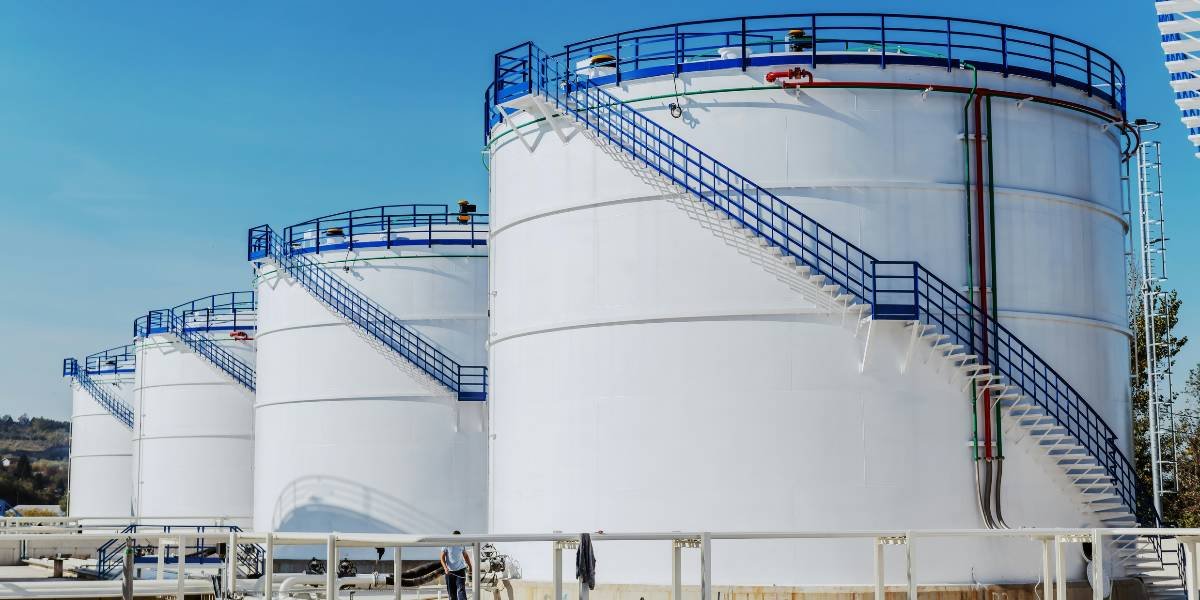
The Critical Energy Infrastructure Hub extends approximately six miles along the Willamette River, from near the Fremont Bridge toward Sauvie Island. The area includes 11 bulk fuel terminals and more than 600 storage tanks of varying sizes.
These facilities store and distribute gasoline, diesel, aviation fuel and other petroleum products. More than 90% of Oregon’s liquid fuel supply passes through the hub, making it an important part of the state’s transportation and commercial infrastructure.
Fuel reaches the terminals through pipelines, barges and rail connections before being distributed to businesses, transportation operators and communities across Oregon.
The state’s dependence on concentrated fuel infrastructure became evident during an Olympic Pipeline shutdown in November 2025. Oregon issued a fuel emergency declaration in 2025 following repair-related disruptions in Washington, allowing temporary flexibility in fuel transportation.
That emergency involved an interruption to fuel deliveries rather than damage to Portland’s storage facilities. However, both situations demonstrate how disruptions to major components of Oregon’s fuel distribution network can affect statewide supply.
The new regulations focus on reducing hazards associated with existing storage capacity while considering the need for continued fuel distribution.
Earthquake and Soil Liquefaction Risks Shape the Regulations
Earthquake preparedness is a primary reason for Portland’s decision to reduce fuel storage capacity at the Critical Energy Infrastructure Hub.
Much of the industrial corridor sits on soil vulnerable to liquefaction during strong seismic activity. Liquefaction occurs when saturated soil loses strength under earthquake shaking, potentially causing the ground to shift or settle.
Such movement can damage storage tank foundations, pipelines and other industrial structures. A major Cascadia Subduction Zone earthquake could cause fuel releases, fires and contamination affecting nearby neighborhoods and the Willamette River.
Many tanks in the hub were constructed before modern seismic design requirements were adopted in Oregon. Their age, location and concentration contribute to concerns about potential damage during a major earthquake.
Earthquake resilience also affects other regional infrastructure decisions, including the proposed Interstate 5 bridge replacement connecting Portland and Vancouver. The existing bridge spans face seismic vulnerabilities, although the fuel storage corridor presents different environmental and industrial risks.
Reducing storage capacity could limit the amount of fuel exposed to earthquake-related hazards. However, the restrictions do not eliminate liquefaction risks or replace the need for structural improvements and emergency response planning.
New Rules Establish Capacity Limits and Exemptions
Under the approved regulations, covered bulk fuel terminals must reduce in-service storage capacity by at least 20% by December 1, 2036.
Storage capacity refers to the maximum volume a facility can hold, while fuel inventory measures the amount actually stored at a particular time. A terminal can therefore meet a capacity reduction requirement without reducing its fuel inventory by the same percentage on any given day.
The regulations provide exemptions for certain storage categories, including:
- In-service tanks used exclusively for aviation fuel as of January 1, 2027
- Regulated public utilities
- Qualifying surge or breakout tanks associated with interstate pipelines
- Additional capacity approved through specified fuel storage transfer or aviation fuel expansion reviews
The aviation fuel exemption reflects concerns about maintaining supply for airports and related operations. Separate land-use amendments also allow limited aviation fuel storage expansion under specified conditions.
The exemptions mean the 20% reduction does not apply identically to every tank within the industrial corridor. Operators must determine which facilities and storage capacities fall within the regulations when preparing their compliance plans.
Fuel Monitoring and Compliance Requirements Through 2036
The approved regulations introduce reporting requirements to establish existing storage capacity and monitor changes over time.
Terminal operators must provide information about existing tanks and their capacity as of January 1, 2027. These records will establish the baseline for calculating the required reduction.
The reporting framework also includes annual terminal inventory information and records concerning storage operations. The city will use submitted information to review compliance with capacity limits and monitor changes across the hub.
By December 1, 2036, covered terminals must meet the required reduction and provide documentation demonstrating compliance. The regulations include verification procedures and potential fines for violations.
Portland’s broader infrastructure planning will also involve coordination with state agencies responsible for fuel storage safety and earthquake preparedness.
The city has directed its administration to prepare a public health and natural hazards risk reduction plan for the hub in 2027. Additional council reviews are planned for 2028, 2031 and 2036 to assess fuel demand projections, seismic safety measures and progress under the capacity reduction program.
These requirements establish oversight beyond the initial approval of the storage restrictions, while leaving room for adjustments based on future information about fuel demand and infrastructure conditions.
Frequently Asked Questions
What are Portland’s new fuel storage restrictions?
Portland’s regulations require covered bulk fuel terminals at the Critical Energy Infrastructure Hub to reduce in-service storage capacity by at least 20% by December 1, 2036. The rules also establish inventory reporting and compliance requirements.
Where is Portland’s Critical Energy Infrastructure Hub located?
The hub occupies approximately six miles of industrial land along the Willamette River in Northwest Portland, extending from near the Fremont Bridge toward Sauvie Island.
How much of Oregon’s fuel supply passes through the hub?
More than 90% of Oregon’s liquid fuel supply passes through the Critical Energy Infrastructure Hub. The corridor contains 11 bulk fuel terminals and approximately 600 storage tanks.
Why are Portland’s fuel storage facilities vulnerable to earthquakes?
Many facilities are located on soils susceptible to liquefaction during strong earthquakes. Ground instability can damage tanks, pipelines and foundations, potentially causing fuel releases and disrupting distribution.
Are all fuel storage facilities subject to the 20% reduction?
No. The regulations exempt certain categories, including qualifying aviation fuel storage, regulated public utilities and specific pipeline-related storage facilities.
When do Portland’s fuel storage restrictions take effect?
The new regulations are scheduled to take effect on December 11, 2026. Covered terminals must complete the required storage capacity reduction by December 1, 2036.
