

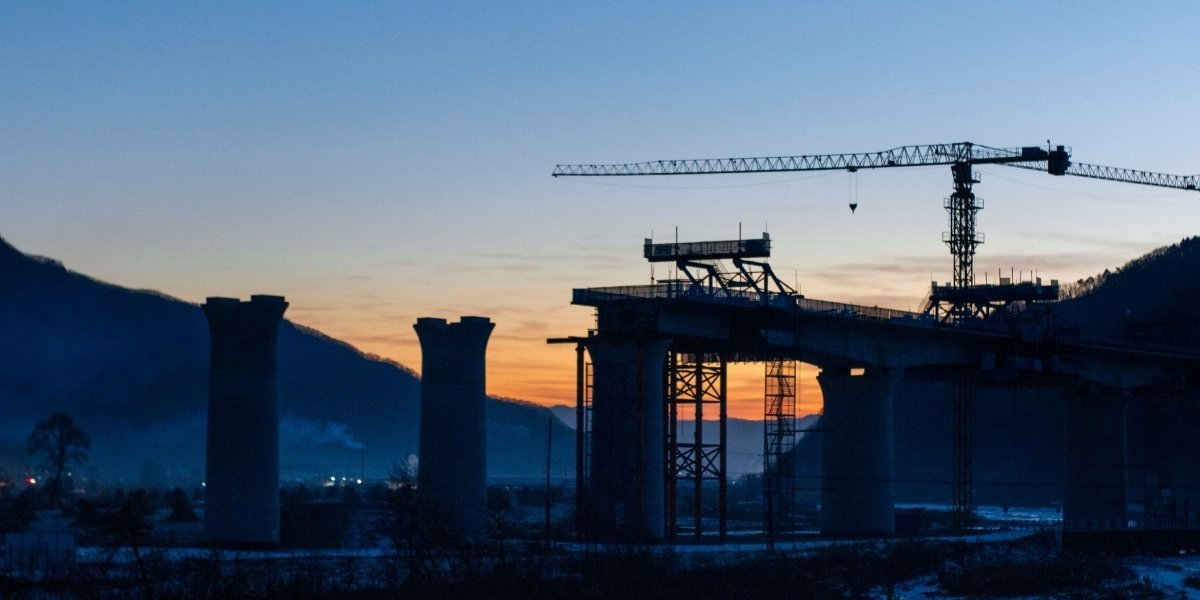






Oregon’s Interstate 5 bridge discussion has drawn fresh attention after updated figures placed the full Columbia River crossing and corridor program at an estimated $13.5 billion to $15.2 billion, with project planners using $14.4 billion for financial planning. The updated range has shifted public discussion from whether the aging bridge needs replacement to how the larger project can be paid for without putting added pressure on other transportation needs.
The bridge connects Portland and Vancouver, Washington, and remains a major route for commuters, freight traffic and regional travel. Project materials describe the existing spans as outdated and vulnerable during a major earthquake. Local coverage has also pointed to daily congestion, narrow lanes and delays linked to bridge lifts for river traffic. The replacement plan includes new bridge structures, highway connections, rebuilt interchanges, a North Portland Harbor Bridge replacement, a shared path for pedestrians and cyclists and a planned light rail extension into Vancouver.
The higher estimate has created a sharper question for Oregon transportation officials, regional leaders and transit advocates. The project is no longer being reviewed only as a bridge replacement. It is being weighed as a broad corridor plan with highway, transit, tolling and local access components, each carrying its own cost and public concern.
The Funding Gap Behind The Headlines
Program officials have said about $5.5 billion is committed. The first core package is estimated at $7.65 billion. That phase includes the replacement Columbia River bridge, Interstate 5 connections, removal of the current bridge, and light rail service to Vancouver’s waterfront.
If a federal transit grant of about $1 billion is secured, the funding gap for core work could be about $1.2 billion. Without it, the gap could rise to about $2.2 billion.
Oregon transportation officials recently approved a funding amendment that increased the programmed amount from about $2.06 billion to nearly $5.68 billion. The approved phase includes the new bridge, Interstate 5 links, Hayden Island and State Route 14 connections, tolling equipment, transit design work, and removal of the current bridge.
The funding package is expected to include federal grants, state contributions from Oregon and Washington, and projected toll revenue. Later phases remain dependent on future funding decisions.
Light Rail Faces Delays
Transit remains one of the main cost pressure points. The full corridor plan includes light rail from Portland into Vancouver, with stations planned at Hayden Island, the Vancouver waterfront, and the Evergreen Boulevard area near Library Square.
Rising costs may push the larger project into phases. The funded phase would prepare the bridge for rail service and include transit design work. Actual train service farther into Vancouver depends on federal transit funding that has not been secured.
Vancouver officials have raised concern that the rail line could stop short of the planned downtown terminus for an extended period. Oregon transit agencies also face budget pressure, including service reductions and administrative cuts at TriMet. That makes the bridge’s transit funding harder to separate from broader questions about daily service and major construction costs.
Why Costs Increased
Program documents point to several reasons for the higher estimate. Planners shifted to a higher probability standard for financial planning, extended the expected completion window from 2034 to 2045 after environmental review delays and revised construction sequencing. They also cited higher material, labor and equipment costs since 2022, along with more detailed design quantities than earlier estimates.
The estimate also reflects risk planning for a long project timeline. A project of this size must account for future market changes, permitting requirements, contractor availability, construction staging and inflation. Those factors can move costs before major construction begins.
One design decision may have prevented the estimate from rising further. The U.S. Coast Guard approved a fixed span concept rather than a movable bridge. Project officials have said that approach could reduce costs compared with a new lift bridge. Even with that change, the full price range remains large enough to keep funding questions at the center of the public discussion.
Tolls, Transit Service And The Next Funding Test
Tolling is expected to help fund the project. The approved package includes tolling equipment and preparation work. A bi state tolling group is expected to review toll rates and make recommendations to Oregon and Washington transportation officials.
Toll rates, exemptions, low income programs, and traffic shifts to Interstate 205 remain key public concerns. For commuters and freight users, the final cost of crossing the new bridge could shape public response to the project.
The current plan keeps the bridge replacement moving through approvals while later corridor elements wait on future funding decisions. Federal approval through an amended Record of Decision remains a major step before full construction can move forward.
For Oregon, the issue is direct: the region needs to replace an aging bridge, but the current cost range raises pressure on transit plans, tolling decisions, and other transportation priorities.
