

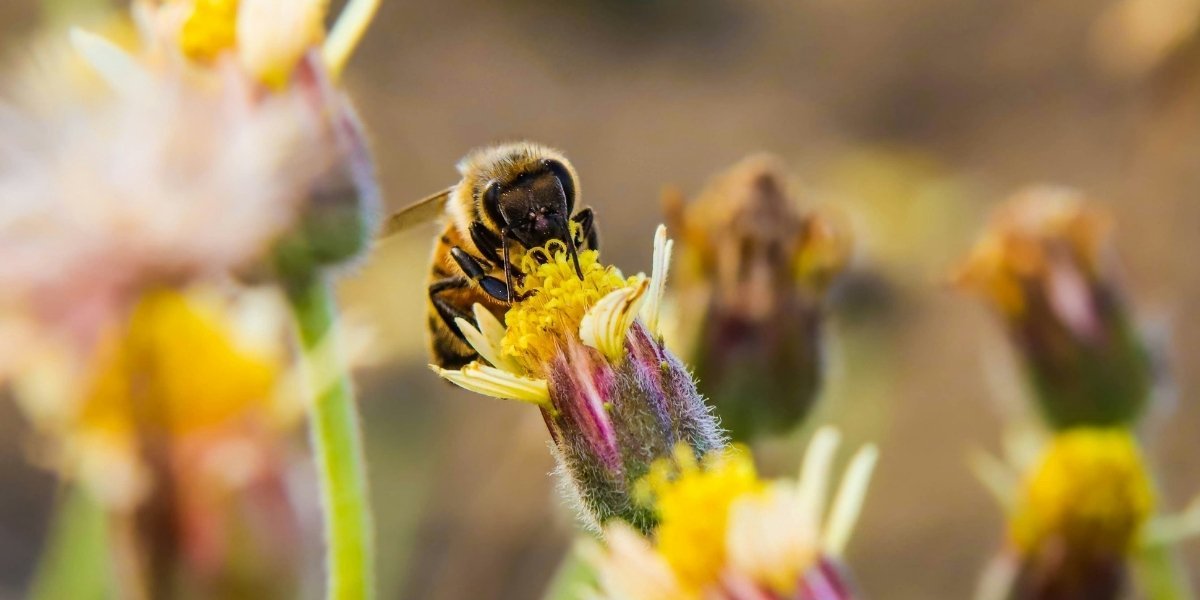






A 4,000-square-foot Phoenix pollinator garden has opened at the Phoenix Library in Southern Oregon, creating a public green space shaped by community discussions after the 2020 Almeda Fire. Jackson County Library Services and the Jackson County Library Foundation helped develop the garden, which includes plants selected to attract butterflies and bees.
Key Takeaways
- The Phoenix Library opened a 4,000-square-foot pollinator garden.
- Community listening sessions after the 2020 Almeda Fire helped shape the project.
- Residents identified restoring plants, wildlife and natural spaces as a priority.
- Jackson County Library Services helped develop the garden.
- Plants were selected and arranged to attract butterflies and bees.
Phoenix Library Opens a 4,000-Square-Foot Pollinator Garden
The new Phoenix pollinator garden opened Thursday at the Phoenix Library, adding 4,000 square feet of planted space around the building. The garden includes greenery near the library entrance, flowers at the rear and trees that provide shade along pathways.
The project developed from community conversations held after the 2020 Almeda Fire, which destroyed much of Phoenix. During listening sessions following the fire, residents expressed a desire to restore plants, wildlife and natural spaces that had been lost.
Josh Letsinger, community engagement manager for Jackson County Library Services, said the garden provides a place for residents to gather and spend time outdoors while restoring natural features around the library.
“This is just a place where people can gather and can relax,” Letsinger said. “We can start to bring some natural beauty back to the space.”
The garden is located directly around the library rather than being a separate site. Its placement integrates the plantings, trees and pathways with the library property and its entrance.
The opening brought community members together for a ribbon-cutting ceremony. Donors, community partners and people involved in the project attended the event.
The garden’s size provides room for several types of plantings. Its design also separates plants according to the pollinators they are intended to attract, creating distinct areas within the public space.
The project adds to a broader collection of Oregon efforts involving public green spaces and community participation. In Portland, a separate project has advanced plans for a new neighborhood park in Slabtown through planning and community engagement.
Community Discussions Shaped the Garden Project
The garden originated in conversations with Phoenix residents after the Almeda Fire. Those discussions identified the restoration of plants, wildlife and natural areas as a priority for the community.
Ginny Auer, executive director of the Jackson County Library Foundation, said the response from residents showed a strong interest in restoring flora and fauna lost in the fire.
Auer then contacted foundations and local businesses to help pay for the garden. The funding effort brought outside financial support together with the community’s interest in restoring natural spaces.
The Jackson County Library Foundation was involved in securing support for the project, while Jackson County Library Services contributed to its development.
The project therefore developed through several forms of local participation. Residents helped identify the desire for restored natural space, library officials worked on the garden’s development, and the library foundation sought financial support from foundations and businesses.
Auer addressed donors and community partners during the garden’s opening.
“When we look around at this beautiful space, we are looking at what can happen when a community comes together to help,” Auer said.
The opening ceremony also included comments from people who supported the project. Their involvement connected the garden to the fundraising and planning work that preceded its completion.
The library property now includes a dedicated outdoor area where plants, trees and pathways are arranged around the building. The garden’s design gives the project a direct connection to the library while providing a separate outdoor space for community use.
Almeda Fire Recovery Influenced the Garden’s Design
The 2020 Almeda Fire is directly connected to the project’s origins. Community listening sessions held after the fire gave residents an opportunity to identify natural features they wanted to see restored.
Residents specifically expressed interest in bringing back plants and wildlife affected by the disaster. The resulting garden incorporates that request through plantings intended to support pollinators and through trees and other vegetation distributed across the library property.
The project also connects the restoration of natural space with a public library site. The garden wraps around the building, placing plantings near the entrance and extending them into the rear of the property.
Josh Letsinger described the garden as a place for gathering and relaxation as well as a way to restore natural beauty.
The project received support from people with different interests in gardening and the community. Frances Chaney of the Robert and Frances Chaney Foundation said her interest in horticulture and gardening contributed to her support for the project.
“It’s just a beautiful project,” Chaney said. “It’s turned out lovely and just great for the community.”
State Sen. Jeff Golden, D-Ashland, also spoke at the opening. He described the project as bringing together community interests and the preservation of a livable environment.
“This is kind of a convergence of two big threads that people care about — a community and preserving a livable planet,” Golden said. “I’m not at all surprised that people got excited and stepped up for that.”
The garden’s connection to the Almeda Fire is therefore established through the community conversations that preceded its development. Residents’ requests for restored plants, wildlife and natural spaces became part of the project’s purpose and design.
Wildfire conditions remain a recurring concern for Oregon communities. Portland coverage has also addressed wildfire smoke and outdoor activities as agencies respond to changing conditions during the fire season.
Plants Were Selected to Attract Butterflies and Bees
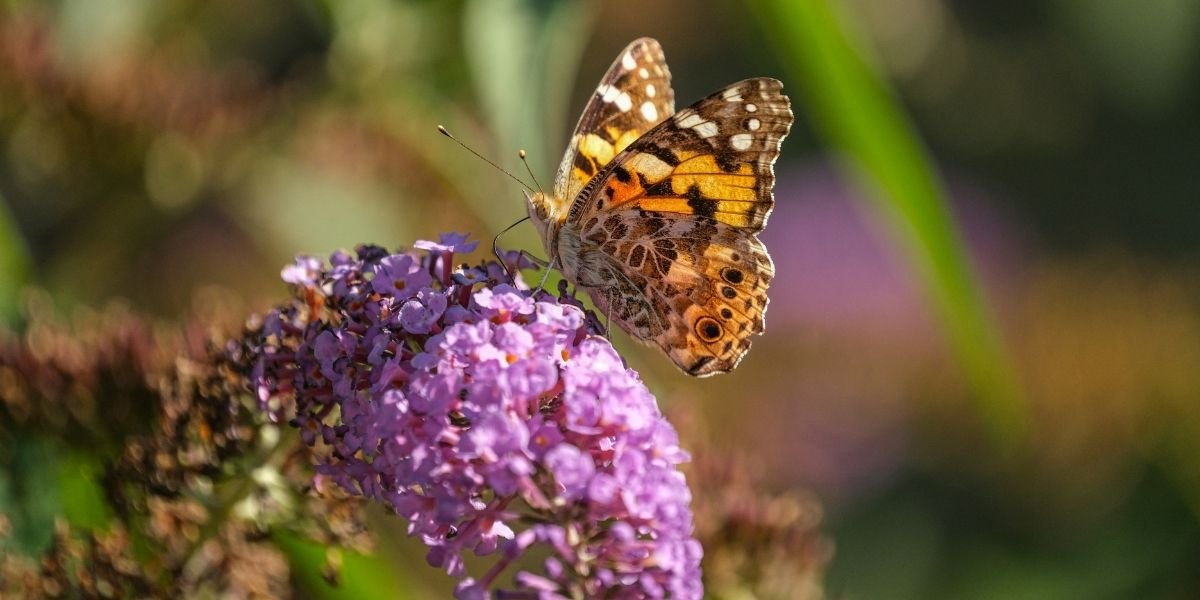
Photo Credit: Unsplash.com
Crystal Zastera, facilities manager for Jackson County Library Services, helped develop the garden and select its plantings.
The garden was designed with specific pollinators in mind. Plants intended to attract butterflies were placed near the front of the library, while plants intended to attract bees were placed toward the back.
The arrangement also considers the visual sequence of the flowers. Zastera said the colors are designed to flow from reds to pinks and purples when the flowers bloom.
The plant selection gives the garden a functional purpose beyond adding vegetation to the library property. The different planting areas were chosen to provide habitat and food sources for pollinators including butterflies and bees.
The layout also creates different visual areas around the library. Greenery is positioned near the entrance, flowers occupy the back area and taller trees provide shade along pathways.
The garden’s design was developed specifically for the library property. Its plant placement, colors and shaded pathways were incorporated into the outdoor space rather than added as a separate garden area away from the building.
The pollinator-focused planting is also tied to the original community request to restore wildlife and natural spaces following the fire. The garden’s plant selection provides a direct physical component to that goal.
Frequently Asked Questions
Where is the new Phoenix pollinator garden located?
The garden is located at the Phoenix Library in Phoenix, Oregon. It wraps around the library building and includes planted areas, trees and pathways.
How large is the Phoenix Library pollinator garden?
The garden covers 4,000 square feet. It includes greenery near the entrance, flowers toward the back and trees that shade pathways.
How did the Almeda Fire influence the garden project?
Community listening sessions held after the 2020 Almeda Fire included residents’ requests to restore plants, wildlife and natural spaces lost in the disaster. Those discussions helped shape the garden project.
Which pollinators is the Phoenix Library garden designed to attract?
The garden was designed to attract pollinators including butterflies and bees. Plants for butterflies were placed near the front of the library, while bee-attracting plants were placed toward the back.
Who helped fund and develop the Phoenix Library garden?
Jackson County Library Services helped develop the garden, while the Jackson County Library Foundation helped raise funding through foundations and local businesses. Community members, donors and community partners also supported the project.
