

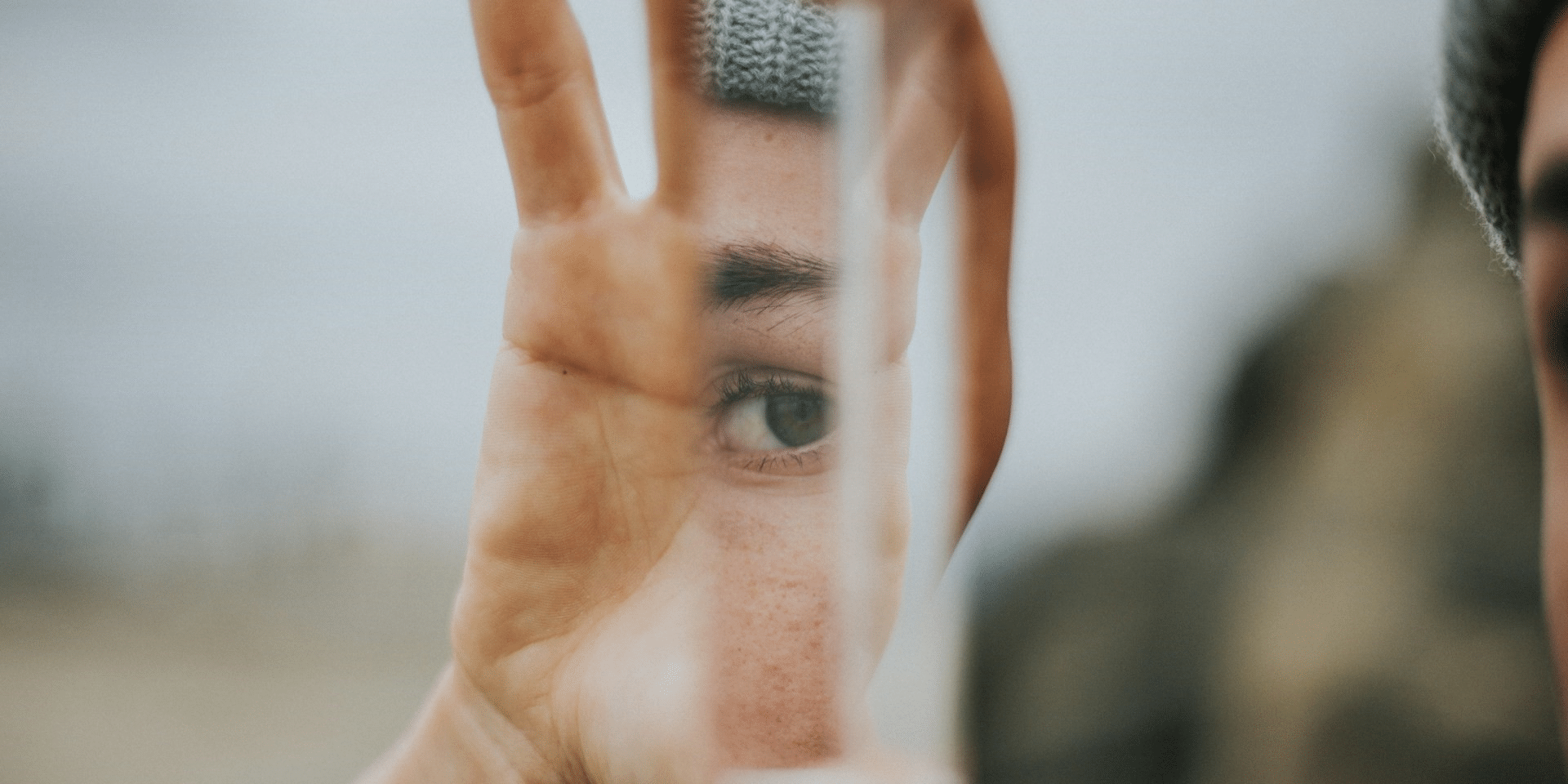






Eye twitching, also known as myokymia, is a common and usually harmless condition that involves involuntary muscle contractions in the eyelid. While eye twitching can be annoying and distracting, it is typically not a cause for concern and often resolves on its own. However, in some cases, persistent or severe eye twitching may indicate an underlying health issue that requires medical attention. In this article, we’ll explore the causes of eye twitching, simple remedies to alleviate symptoms, and strategies for preventing future episodes.
What Causes Eye Twitching?
Eye twitching can be caused by a variety of factors, ranging from stress and fatigue to caffeine consumption and eye strain. Some common triggers include:
- Stress and Anxiety: Emotional stress and anxiety can lead to increased muscle tension, including in the eyelids, which may result in eye twitching.
- Fatigue: Lack of sleep or excessive tiredness can cause muscle fatigue and irritability, contributing to eye twitching.
- Caffeine and Stimulants: Consuming excessive amounts of caffeine or other stimulants can overstimulate the nervous system and trigger eye twitching.
- Eye Strain: Prolonged use of digital screens, reading in poor lighting, or focusing on objects at close range can strain the eye muscles and lead to twitching.
- Dry Eyes: Insufficient tear production or exposure to dry and windy conditions can cause irritation and twitching in the eyes.
- Nutritional Deficiencies: Certain nutritional deficiencies, such as low levels of magnesium or potassium, may contribute to muscle spasms and twitching.
- Underlying Health Conditions: In rare cases, eye twitching may be a symptom of an underlying health condition, such as blepharitis, Bell’s palsy, or neurological disorders.
Simple Remedies to Alleviate Eye Twitching
While most cases of eye twitching resolve on their own without treatment, there are several simple remedies and self-care strategies that can help alleviate symptoms and reduce the frequency of twitching episodes:
- Get Adequate Sleep: Prioritize getting enough sleep each night to reduce fatigue and muscle tension.
- Manage Stress: Practice stress-reduction techniques such as deep breathing, meditation, or yoga to relax the muscles and calm the nervous system.
- Limit Caffeine and Stimulants: Reduce your intake of caffeine and other stimulants, especially in the afternoon and evening, to prevent overstimulation.
- Take Breaks from Screens: Take regular breaks from digital screens to give your eyes a rest and prevent eye strain.
- Use Warm Compresses: Apply a warm compress to the affected eye to soothe irritation and relax the muscles.
- Stay Hydrated: Drink plenty of water throughout the day to keep the body hydrated and maintain optimal eye health.
- Eat a Balanced Diet: Include foods rich in magnesium, potassium, and other essential nutrients in your diet to support muscle function and overall health.
- Use Lubricating Eye Drops: If dry eyes are contributing to twitching, use over-the-counter lubricating eye drops to moisturize and relieve irritation.
Preventing Future Episodes of Eye Twitching
In addition to these remedies, there are several lifestyle changes and preventive measures you can take to reduce the likelihood of experiencing eye twitching in the future:
- Practice Good Eye Hygiene: Avoid rubbing or touching your eyes excessively, as this can irritate the delicate eyelid muscles and exacerbate twitching.
- Maintain Proper Posture: Sit and stand with good posture to reduce strain on the neck and shoulders, which can contribute to eye strain and tension.
- Adjust Your Workspace: Ensure that your workstation is ergonomically designed and properly lit to minimize eye strain and discomfort.
- Limit Alcohol and Tobacco: Reduce your intake of alcohol and tobacco, as these substances can impair sleep quality and exacerbate muscle twitching.
- Wear Sunglasses: Protect your eyes from the sun’s harmful UV rays by wearing sunglasses outdoors, especially on bright and sunny days.
- Get Regular Eye Exams: Schedule regular eye exams with an optometrist or ophthalmologist to monitor your eye health and address any underlying issues that may contribute to eye twitching.
- Manage Underlying Health Conditions: If you have underlying health conditions such as dry eye syndrome or neurological disorders, work with your healthcare provider to manage these conditions effectively and minimize symptoms.
When to Seek Medical Attention
In most cases, occasional eye twitching is harmless and resolves on its own with simple remedies and lifestyle changes. However, if you experience persistent or severe eye twitching, or if twitching is accompanied by other symptoms such as eye pain, redness, or vision changes, it’s important to seek medical attention promptly. Your healthcare provider can perform a thorough evaluation to determine the underlying cause of your symptoms and recommend appropriate treatment options.
Minimizing the Impact of Eye Twitching
Eye twitching is a common and usually benign condition that can be triggered by various factors, including stress, fatigue, and eye strain. While occasional twitching is typically harmless and resolves on its own, simple remedies such as getting adequate sleep, managing stress, and practicing good eye hygiene can help alleviate symptoms and prevent future episodes. If eye twitching persists or is accompanied by other concerning symptoms, it’s important to consult with a healthcare provider for further evaluation and treatment. By taking proactive steps to care for your eye health and well-being, you can minimize the impact of eye twitching and maintain optimal eye comfort and function.
