

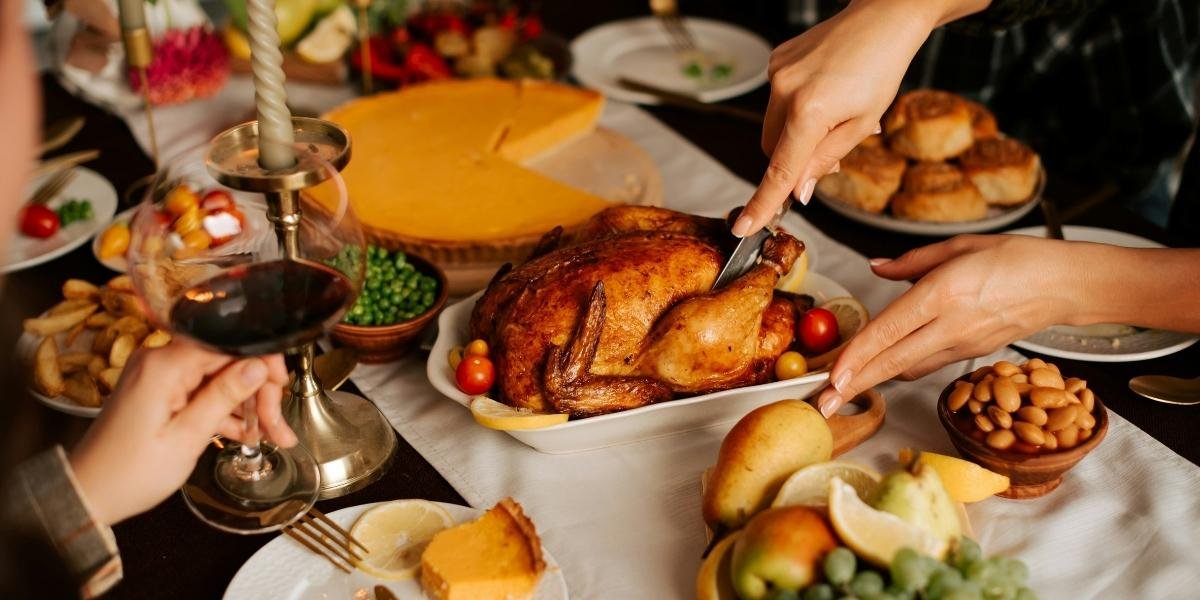






Thanksgiving in Oregon this year brings a surprising twist: while turkey prices have surged, the overall cost of a holiday meal is actually lower than last year. Families across Portland and beyond are finding that discounts on side dishes and store-brand staples are helping offset the higher price of the centerpiece bird.
According to Wells Fargo’s Agri-Food Institute, the average cost of a Thanksgiving dinner for 10 people in 2025 is projected to be around $95 with national brands or $80 with store brands, a slight decrease compared to 2024, despite wholesale turkey prices rising nearly 40% due to avian flu disruptions. How are Oregon families making this work? The answer lies in retailer competition, bundled deals, and shifting consumer habits.
Turkey remains the centerpiece of Thanksgiving, and in 2025, it’s also the most expensive item on the table. Wholesale prices surged due to supply chain issues, but that hasn’t stopped Oregon retailers like Safeway, Fred Meyer, and WinCo from offering discounts to keep turkeys accessible.
Shoppers in Portland report paying more per pound than last year, but savvy promotions are softening the blow. For instance, Aldi is offering a holiday bundle that includes turkey and nine sides for under $40 total, that’s less than $4 per person. Retailers are getting creative, using these deals to bring families back for more.
The bigger story is how families adapt. Some are choosing smaller birds, while others are experimenting with alternatives like chicken or ham. The question now isn’t “Can turkey be affordable?” but “How can Oregon households redefine tradition in the face of rising costs?”
Side Dishes to the Rescue
While turkey prices are up, many side dishes are actually cheaper this year, helping families balance their budgets. Store-brand rolls, stuffing, and vegetables are priced lower than last year, which means families can still fill the table without going over budget.
Wells Fargo reports that while cranberry sauce prices surged by 45%, other items like stuffing mix rose by only 7%, and pumpkin pie mix dropped by 5%. These fluctuations show how individual items can swing costs, but overall, the meal remains manageable.
What stands out is how Oregon families are leaning into store brands and bundled deals. By swapping national labels for local or generic options, households are saving without sacrificing tradition. The conversation has shifted from “Can Thanksgiving be affordable?” to “How can families make it work creatively?”
Where to Find the Best Deals
Oregon’s grocery landscape is playing a major role in shaping Thanksgiving costs. Safeway and Fred Meyer continue to offer competitive pricing, while WinCo and Aldi attract budget-conscious shoppers with bundled holiday packages. Walmart’s national promotions also extend to Oregon, giving families even more options.
These retailers are not just selling food; they’re shaping holiday culture. By offering affordable packages, they’re ensuring that Thanksgiving remains accessible even during inflationary times. Oregon shoppers benefit from this competition, which keeps overall meal costs lower than expected.
The key question for families is how to navigate these choices. Do they stick with traditional brands, or embrace store-brand alternatives? The answer often depends on household priorities, but the outcome is clear: Oregon families are finding ways to celebrate without breaking the bank.
Thanksgiving Meals Defy Broader Inflation Trends
Grocery prices overall rose 2.7% year-over-year in September 2025, according to federal data. Items like beef, bananas, and coffee saw the steepest increases, but these are not central to Thanksgiving menus. That’s why holiday meals are bucking the broader inflation trend.
For Oregon households, this means relief at the holiday table. While everyday grocery shopping may feel more expensive, Thanksgiving dinner offers a rare moment of stability. Families can enjoy tradition without the same financial strain they feel during other parts of their grocery budget.
Why is Thanksgiving cheaper when most groceries are more expensive? The answer lies in retailer promotions, seasonal demand, and the cultural importance of keeping the holiday accessible.
How Oregon Families Are Adapting
Thanksgiving is more than just a meal; it’s a cultural tradition. Rising costs have prompted Oregon families to rethink how they celebrate, but the holiday spirit remains as strong as ever. Smaller gatherings, creative menus, and shared cooking are becoming more common.

Photo Credit: Unsplash.com
Some families are embracing potluck-style dinners, where guests contribute side dishes or desserts. This not only reduces costs but also fosters a sense of community and togetherness. Others are focusing on new ways to create memories, like volunteering or spending time outdoors.
Thanksgiving in Oregon is evolving, but the holiday spirit remains unchanged. Families are finding new ways to honor tradition while adapting to economic realities. The holiday continues to be a moment of gratitude, no matter how its expression changes with the times.
What’s Next for Thanksgiving Costs?
As Oregon families prepare for Thanksgiving 2025, the outlook for holiday costs is mixed. While turkey may remain expensive due to supply challenges, side dishes and bundled promotions are likely to keep overall meal costs manageable.
Industry experts predict grocery inflation will continue into 2026, but seasonal promotions and creative pricing strategies will remain a powerful tool for keeping holiday meals affordable. For Oregon families, this means more opportunities to save while still enjoying a traditional holiday feast.
The real question is: how will these trends shape Thanksgiving in the years ahead? Will families continue adapting their menus, or will new pricing strategies help preserve affordability? Either way, Thanksgiving in Oregon shows that tradition can endure, even in changing economic times.
Gratitude Beyond the Price Tag
Thanksgiving 2025 in Oregon tells a story of adaptability and resilience. While turkey prices have climbed, the overall cost of the holiday meal remains more affordable than expected, thanks to creative shopping, store brands, and bundled offers. Families are navigating these shifts with ingenuity, ensuring that Thanksgiving remains a celebration of gratitude and togetherness.
The numbers may tell one story, $95 for national brands, $80 for store brands, but the cultural impact tells another. Thanksgiving remains a time for reflection, connection, and community, regardless of the price tag.
In the end, Thanksgiving isn’t defined by the cost of turkey or cranberry sauce. It’s defined by the love and tradition that fill homes across Oregon, proving that even in challenging times, the holiday spirit remains strong.
