

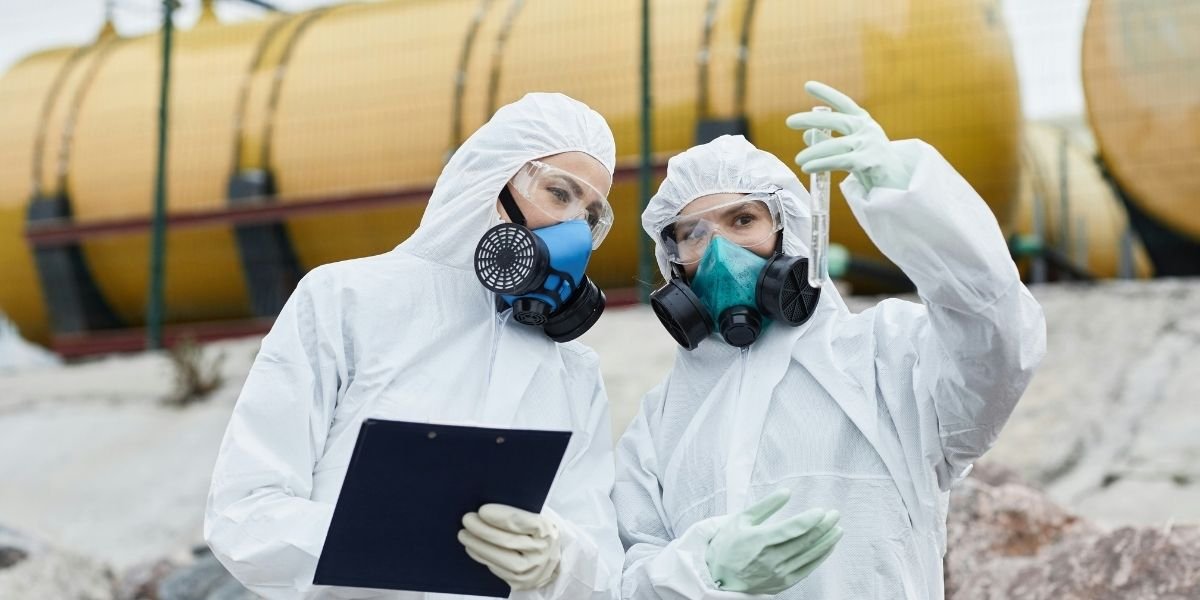






A tanker carrying sulfuric acid developed a leak on Hayden Island in Portland early Monday, prompting a response from Portland Fire & Rescue and hazardous materials crews. An estimated 100 gallons entered the public drainage system before responders used sand and absorbent materials to contain the spill.
Key Takeaways
- A 5,000-gallon tanker leaked sulfuric acid on Hayden Island early Monday.
- An estimated 100 gallons entered Portland’s public drainage system.
- Portland Fire & Rescue activated its Hazardous Materials Team.
- Crews used sand and absorbent materials to limit the spread toward storm drains.
- Officials reported no injuries or extended health risks to the community.
The Portland sulfuric acid spill began after a tanker carrying the chemical developed a leak on Hayden Island early Monday. Portland Fire & Rescue responded to the incident and activated its Hazardous Materials Team to address the release.
The tanker had a capacity of 5,000 gallons. The reported amount that entered the public drainage system was estimated at up to 100 gallons.
The release became a public-safety and environmental concern because sulfuric acid reached the city’s drainage infrastructure. Emergency crews worked at the site to contain the material and prevent additional liquid from moving through the drainage system.
Portland’s drainage infrastructure is also part of the city’s broader flood and water-management system, including measures described in a recent report on Portland flood safety funding.
The incident involved a tanker rather than a release from a fixed industrial facility. The response therefore centered on the leaking vehicle, the material that had already escaped, and nearby drainage infrastructure.
Officials reported that no injuries were associated with the incident. They also reported no extended health risks to the surrounding community.
The response remained focused on controlling the spill and addressing the material that had entered the drainage system.
Tanker Leak and Initial Response
Portland Fire & Rescue handled the emergency response after the tanker developed the leak. Its Hazardous Materials Team was activated because of the nature of the material involved.
The response required crews to work around sulfuric acid that had escaped from the tanker. The incident also required attention to the public drainage system because a portion of the released material had already reached it.
The estimated 100-gallon amount represents the portion reported to have entered the drainage system, rather than the full capacity of the tanker.
Tanker Leak Sends Acid Toward Storm Drains
The sulfuric acid moved into Portland’s public drainage system during the incident. Officials estimated that as much as 100 gallons entered the drains.
Storm drains became a central part of the emergency response because crews needed to limit the movement of the released material. Responders placed sand and absorbent materials at the scene as containment measures.
The containment work addressed both the material remaining around the tanker and the potential for additional liquid to reach drainage points.
Portland has separately addressed the environmental effects of materials entering storm drains, including the impact of improperly discarded waste described in Portland storm drain pollution risks.
The reported spill did not involve the entire 5,000-gallon capacity of the tanker. The available information identifies the tanker capacity separately from the estimated amount that reached the drains.
The distinction is significant to the reported response. The incident involved a leak from a tanker with a 5,000-gallon capacity, while the amount entering the drainage system was estimated at approximately 100 gallons.
Emergency crews therefore dealt with a release that was substantially smaller than the tanker’s full capacity.
The response also involved protecting drainage infrastructure from additional contamination. Crews used physical containment materials rather than allowing the released liquid to continue moving unchecked.
The reported emergency response did not identify injuries among members of the public or responders. Officials also reported no extended health risks for the community.
Those statements describe the reported community impact at the time of the incident. They do not change the fact that sulfuric acid entered the public drainage system and required a hazardous-materials response.
The estimated volume entering the drains was approximately 100 gallons, according to the reported incident information.
HazMat Crews Establish Spill Containment Measures
Portland Fire & Rescue’s Hazardous Materials Team used sand and absorbent materials during the response. Those materials were placed to help contain the released liquid and limit its movement toward storm drains.
Containment was necessary because the spill had already reached the public drainage system. The response therefore addressed both the original leak and the material that had escaped from the immediate spill area.
The use of absorbent materials formed part of the on-site effort to control the release. Sand was also used as a containment measure.
The response remained centered on limiting the spread of sulfuric acid. Crews worked to prevent additional material from moving through drainage pathways while dealing with the tanker leak.
The reported community response can be viewed alongside Portland’s wider environmental cleanup work, including the remediation requirements described in Portland environmental cleanup plans.
The reported emergency response did not identify injuries among members of the public or responders. Officials also reported no extended health risks for the community.
Those statements describe the reported community impact at the time of the incident. They do not change the fact that sulfuric acid entered the public drainage system and required a hazardous-materials response.
Emergency Agencies Coordinate Cleanup Response
Portland Fire & Rescue and its Hazardous Materials Team were involved in the emergency response. Their work included containment measures at the location of the tanker leak and efforts to address the released material.
The response followed the discovery of the leak on Hayden Island early Monday. Crews used sand and absorbent materials as part of their containment work.
The drainage system added another element to the response because some of the sulfuric acid had already entered public drains. The reported response therefore involved controlling the spill at the source while limiting further movement through the drainage network.
The incident information identifies the tanker as having a 5,000-gallon capacity. It also estimates that up to 100 gallons reached the public drainage system.
The two figures describe different parts of the incident. The first represents the tanker’s capacity, while the second represents the estimated amount that entered the drains.
Emergency crews continued containment and cleanup efforts after the leak was identified. The available information does not establish an additional release beyond the estimated 100 gallons that entered the drainage system.
The reported response also did not identify injuries resulting from the spill. Officials said there were no extended health risks to the community.
These details provide the reported scope of the incident and the response without attributing additional effects that were not established.
Officials Report No Extended Community Health Risk
Officials reported no injuries from the sulfuric acid spill and no extended health risks to the community.
The statement came after emergency crews responded to the tanker leak and worked to contain the released material. The response included the use of sand and absorbent materials around the affected area.
The reported community impact was limited to the spill response and the need to address sulfuric acid that entered Portland’s public drainage system.
The incident occurred on Hayden Island, a Portland location where the tanker leak required a hazardous-materials response. Portland Fire & Rescue activated its specialized team to handle the chemical release.
The estimated 100 gallons that entered the drainage system remained a key part of the incident because the spill was not confined entirely to the area around the tanker.
The response measures were directed at limiting the spread of the released material and beginning cleanup.
The available information does not identify injuries, an extended community health threat, or a larger release than the estimated 100 gallons that entered the drains.
The incident therefore centered on a localized tanker leak, the resulting entry of sulfuric acid into public drainage infrastructure, and the emergency containment response on Hayden Island.
Frequently Asked Questions
How much sulfuric acid entered Portland storm drains?
Officials estimated that up to 100 gallons of sulfuric acid entered Portland’s public drainage system during the spill.
Where did the Portland sulfuric acid spill occur?
The spill occurred on Hayden Island in Portland.
What caused the sulfuric acid tanker leak?
The available information states that a tanker carrying sulfuric acid developed a leak. It does not provide a confirmed cause for the leak.
Which agencies responded to the Hayden Island spill?
Portland Fire & Rescue responded and activated its Hazardous Materials Team to address the sulfuric acid release.
Were Portland residents exposed to a health risk?
Officials reported no injuries and no extended health risks to the community following the incident.
