

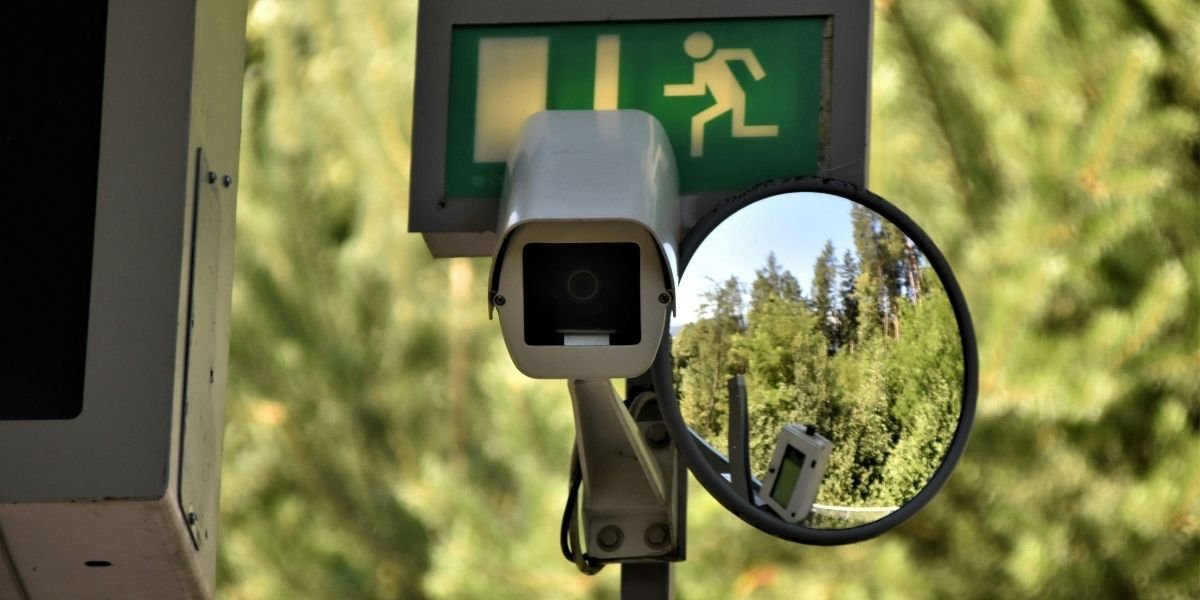





Portland’s speed cameras issued approximately 69,000 citations, city officials confirmed, as efforts continue to monitor hazardous driving conditions on major thoroughfares. The automated systems have drawn attention for their scale and focus on areas with higher collision records.
City transportation data show that most citations were recorded on a set of streets identified through crash analysis as having above-average incidents involving speed-related factors. The initiative emphasizes thoroughfares where pedestrians, cyclists, and motorists intersect frequently.
Traffic engineers described the citation tally as a reflection of persistent speed compliance challenges on roads that have historically shown higher incidences of vehicle collisions. Program managers said camera placement followed collision data rather than arbitrary selection.
A city transportation official said that the goal with speed cameras is to monitor conditions on corridors where previous data indicates patterns of unsafe speeds and that the citations reflect activity at these designated locations.
Speed Cameras Concentrated on 10 Key High-Crash Streets
A city traffic safety report lists ten primary corridors where speed cameras are active, with the majority of citations from these zones. Corridors include stretches of N Lombard Street, SE Division Street, NE Sandy Boulevard, and SW Barbur Boulevard.
Analysis shows some streets recorded significantly more citations than others, suggesting local driving patterns vary. One arterial road with a history of serious collisions accounted for more than 12,000 citations, showing concentrated enforcement in that area.
Portland Bureau of Transportation (PBOT) spokespeople said camera locations are reviewed periodically and may be adjusted based on ongoing traffic studies and observed compliance trends.
PBOT officials said the placement of automated monitoring is based on collision patterns, speeds, and community input, as part of a strategy to make streets safer and more predictable.
Timing and Volume of Citations Draw Attention
The citation figures were released as part of periodic reporting by the transportation bureau detailing street safety metrics. Comparison with previous periods indicates a sustained trend of automated enforcement rather than a one-off spike.
Data show citation volumes remained high during both weekday peak hours and weekend time frames, reflecting variability in travel behavior across the city.
Records indicate speed camera detections occur at all hours, with peaks in late afternoon and early evening. Camera systems operate continuously, capturing events whenever vehicles exceed posted speed limits.
City spokespeople said camera use focuses on monitoring and influencing speed compliance on streets with documented safety concerns, rather than generating revenue.
Community Response Highlights Safety Questions
Community groups and transportation advocates have commented on the balance between technology-based enforcement and broader safety outcomes. Some see the figures as an indicator of where physical design changes may improve safety.
A spokesperson for a pedestrian safety nonprofit said that high citation numbers indicate areas with speed issues and highlight where infrastructure adjustments could encourage safer vehicle speeds.
Others noted that the distribution of citations across neighborhoods could guide future traffic calming measures, such as enhanced crosswalks, signage updates, or modifications to lane configurations.
City records show corridors with higher citation counts often intersect areas with elevated pedestrian interactions, prompting questions about how automated systems integrate with other safety measures.
PBOT officials noted that automated monitoring is one of several tools addressing unsafe driving conditions and that citation data can guide longer-term street improvement strategies.
Technology Behind Automated Speed Monitoring
The automated systems use radar and camera sensors to detect vehicles exceeding posted speed limits. When a violation is flagged, imagery and data are reviewed before a citation is generated and mailed to the registered owner.
City officials said systems are calibrated regularly to maintain accuracy, and notifications are issued only after verification. Devices are stationed in fixed locations, with signage alerting drivers in accordance with local regulations.
Regular audits and maintenance ensure detection and documentation meet standards before citations are mailed.
Data Transparency and Ongoing Reporting
City authorities have made enforcement data and collision statistics available through public dashboards and periodic reports. These resources allow residents, planners, and analysts to track trends in speed citations, crash frequency, and other metrics.
The latest figures, showing around 69,000 citations, come from a quarterly release including updates on enforcement activity and street safety indicators. Planners said transparency supports community awareness and discussion of safety outcomes.
Urban planning researchers said detailed information clarifies where speed compliance varies across the city and helps identify areas that may need attention from a design or policy perspective.
City officials said future updates will continue to be shared through regular reporting channels, with opportunities for public review and engagement.
