

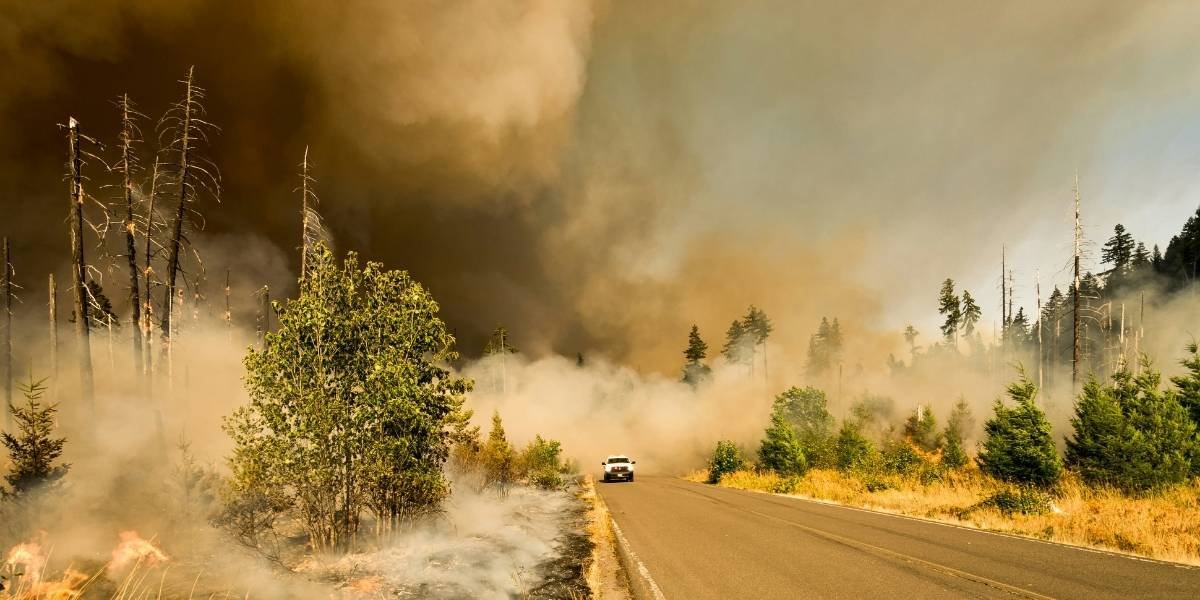






Oregon wildfire activity intensified after lightning sparked more than 85 fires across Central Oregon, with the statewide burned area exceeding 200,000 acres. Emergency agencies expanded response efforts, deployed additional incident management resources, and coordinated assistance as firefighters worked under extreme heat, wind and dry conditions.
Key Takeaways
- Oregon wildfires have burned more than 200,000 acres statewide.
- Lightning ignited more than 85 fires across Central Oregon.
- The state deployed its final available Complex Incident Management Team.
- California firefighters joined Oregon’s wildfire response.
- Emergency officials continue coordinating resources and evacuation support.
Oregon wildfires have expanded beyond 200,000 acres after lightning storms ignited more than 85 fires across Central Oregon, prompting state emergency agencies to increase firefighting operations and deploy additional resources. Fire officials continue responding to multiple large incidents as extreme heat, strong winds and unusually dry vegetation contribute to rapid fire growth.
The Oregon Department of Forestry assigned its final available Complex Incident Management Team to assist with the response as several fires continued to grow. The Oregon Department of Emergency Management also activated the state’s Emergency Coordination Center to improve coordination among state, county, city and tribal agencies managing the ongoing incidents.
The fires have placed significant demands on available firefighting personnel and equipment, leading Oregon to receive assistance from California as suppression efforts continue across affected areas. Earlier this summer, state officials also expanded drought emergency declarations across Oregon counties as prolonged dry conditions increased wildfire concerns.
Oregon Wildfires Exceed 200,000 Acres Following Lightning Storms
Lightning storms that moved across Central Oregon ignited more than 85 separate fires, creating one of the state’s largest wildfire responses of the season. Officials reported that the combination of multiple new ignitions and existing dry conditions accelerated fire growth across several regions.
Fire managers stated that this year’s limited winter precipitation contributed to vegetation drying earlier than expected. Those conditions, combined with high temperatures and persistent winds, created an environment favorable for rapid fire spread. State agencies have previously reviewed heat preparedness measures across Oregon as extreme weather events increasingly shape emergency planning.
Emergency officials reported that wildfire activity extended beyond a single incident, requiring coordinated management across multiple jurisdictions. As the burned area surpassed 200,000 acres statewide, agencies continued prioritizing firefighter safety while working to contain the largest active fires.
The expanding wildfire activity also increased demand for heavy equipment, aviation resources and hand crews assigned throughout Central Oregon.
Emergency Response Expands Across Central Oregon
State emergency agencies broadened their response as wildfire activity intensified across multiple counties.
The Oregon Department of Forestry deployed Complex Incident Management Team 3 after other incident management resources had already been assigned to active fires. The deployment marked the use of the state’s final available Complex Incident Management Team to oversee growing wildfire operations.
Emergency managers reported that incident teams are responsible for coordinating suppression activities, managing personnel, supporting logistics and working with local officials throughout large wildfire incidents.
The Oregon Department of Emergency Management activated the Emergency Coordination Center to strengthen statewide coordination and improve resource sharing among responding agencies.
The coordination center supports communication between emergency managers, public safety organizations and tribal governments while monitoring changing wildfire conditions and resource needs.
Officials also continued working with local emergency managers to provide updated information as conditions evolved.
Major Fires Continue Burning Under Extreme Conditions
Brewer Fire
The Brewer Fire became one of the largest active incidents after expanding to approximately 18,000 acres. Fire managers assigned additional personnel and equipment to strengthen containment efforts while attempting to limit further growth.
Officials reported that firefighters continued constructing containment lines and positioning resources around the fire’s perimeter as weather conditions allowed.
Awaka Butte Fire
The Awaka Butte Fire expanded to approximately 7,000 acres. Fire officials reported that containment had not yet been established as crews continued suppression operations under difficult conditions.
Strong winds and dry fuels remained significant challenges for firefighters working to slow the fire’s progression. Similar concerns about dry weather and elevated wildfire potential were outlined in coverage of Portland weather and drought concerns earlier this year.
Pilot Fire
The Pilot Fire covered approximately 120 acres and had reached 20% containment.
Although smaller than the other major incidents, fire managers continued assigning crews to strengthen containment lines and prevent additional spread while monitoring weather conditions.
Across all three incidents, firefighters reported encountering wind-driven fire behavior combined with unusually hot temperatures more commonly experienced later in the wildfire season.
Officials also stated that limited firefighting resources required careful prioritization as multiple fires remained active simultaneously.
State and Interstate Resources Support Firefighting Operations
Emergency Coordination Center Activation
The Oregon Department of Emergency Management activated the Emergency Coordination Center to coordinate statewide response activities.
The center supports information sharing, monitors wildfire conditions and assists local emergency management agencies as resource requests develop.
Emergency officials reported that activation allows agencies to coordinate equipment, personnel and logistical support more efficiently as wildfire activity continues across Oregon.
State agencies also continued monitoring fire behavior and evaluating resource requirements as suppression operations progressed.
California Firefighters Join Response
California firefighters joined Oregon’s wildfire response through interstate resource-sharing agreements designed to provide additional personnel during significant wildfire activity.
The additional crews supplement Oregon’s existing firefighting resources as agencies continue responding to numerous incidents across Central Oregon.
Fire managers also sought additional heavy equipment, aviation assets and hand crews to reinforce containment efforts on the largest fires.
Officials stated that expanding resource availability remains important as multiple incidents continue requiring sustained suppression operations.
Evacuations and Public Safety Measures Remain in Effect
Evacuation orders remained in place for areas threatened by several active fires as local emergency management agencies continued monitoring changing conditions.
Officials urged residents living near affected areas to remain aware of evacuation notices and follow instructions issued by local authorities.
Emergency agencies continued providing updated information regarding road conditions, fire activity and public safety guidance as suppression efforts progressed.
Residents were encouraged to rely on official emergency notifications for the latest evacuation information because fire conditions can change rapidly.
State officials also continued coordinating support for local governments responding to wildfire impacts, including resource requests and emergency management assistance.
Firefighters remained focused on protecting lives, structures and critical infrastructure while working to contain multiple active fires across Central Oregon.
Frequently Asked Questions
How many acres have Oregon wildfires burned?
State officials reported that Oregon wildfires have burned more than 200,000 acres statewide.
How many fires were started by the recent lightning storms in Oregon?
Lightning ignited more than 85 fires across Central Oregon, prompting a large-scale emergency response.
Which areas are most affected by the Central Oregon wildfires?
The largest reported incidents include the Brewer Fire, Awaka Butte Fire and Pilot Fire in Central Oregon.
What resources has Oregon deployed to fight the wildfires?
Oregon deployed its final available Complex Incident Management Team, activated the Emergency Coordination Center and received firefighting assistance from California.
