

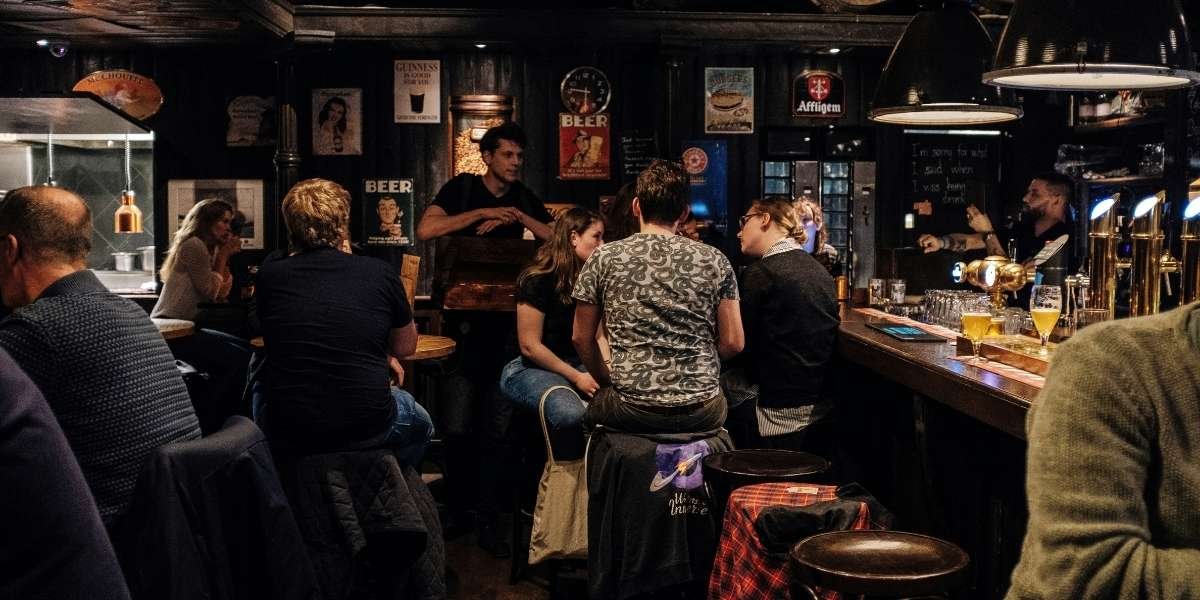






A long-running tavern established in 1946 continues to operate in Washington County as the Helvetia Tavern remains open to diners. The tavern, located in the rural Helvetia community near Hillsboro, maintains regular service and continues to receive customers throughout the week. Its operations are centered on dine-in service, with a consistent menu and a single-location business model that has remained unchanged over time. The establishment continues to function as a restaurant and bar serving both local residents and visitors traveling from nearby areas.
Ongoing Tavern Operations in Rural Washington County
The Helvetia Tavern remains active within Washington County, operating along Northwest Helvetia Road in a predominantly agricultural setting. Its location places it within accessible distance of Portland while retaining a rural environment that shapes its customer base. The tavern continues to open daily, with extended hours during weekends to accommodate higher visitor traffic and maintain steady service flow.
Its business structure has not expanded beyond its original site, maintaining a locally focused operation without franchising or additional branches. The tavern’s continued activity contributes to the surrounding area by drawing visitors and supporting local employment within the hospitality sector. The presence of a long-operating business in a rural setting also reflects sustained demand for dining options outside urban centers.
The establishment serves as a recognizable stop for travelers passing through the Helvetia area, reinforcing its role as a consistent dining option within a region known for farmland and small community clusters. Its location along a rural roadway allows it to function as both a destination and a routine stop for residents navigating between Hillsboro and nearby communities.
Established in 1946 With Continuous Service History
The Helvetia Tavern traces its establishment to 1946, marking the beginning of its recognized operations as a tavern and dining location. Since that time, it has remained in continuous operation, maintaining its identity as a local business serving the Washington County community without interruption. This continuity reflects a stable operational history over multiple decades.
While the building itself predates the tavern’s official establishment, the 1946 designation defines the start of its role as a functioning tavern. This distinction is maintained in the business’s historical reference and public identity, aligning its operational timeline with its long-standing presence in the area’s dining landscape.
Over time, the tavern has undergone updates necessary to meet health, safety, and regulatory standards required for food and beverage service. These updates have allowed the establishment to continue operating while preserving its structure and purpose as a single-site business. Changes have been implemented incrementally, ensuring compliance without altering the overall function of the establishment.
The continuity of operations since 1946 reflects the ability of the tavern to adapt to regulatory requirements and changing service expectations while maintaining a consistent business model rooted in local dining.
Consistent Menu and Traditional Service Model Maintained
The Helvetia Tavern maintains a focused menu centered on traditional American tavern offerings. Its food service includes burgers, fries, and onion rings, prepared using consistent methods that prioritize standardization across orders. The menu remains intentionally limited, reflecting a business approach that emphasizes operational efficiency and repeatable quality.
Food preparation takes place on-site, with meals served directly to customers in a casual dining setting. The tavern continues to rely primarily on dine-in service, with limited emphasis on delivery or large-scale takeout operations. This approach aligns with its long-standing format and supports a steady flow of customers throughout the day.
Beverage service includes both alcoholic and non-alcoholic options, consistent with its classification as a tavern. The integration of food and beverage offerings allows the establishment to function as both a restaurant and a social venue, accommodating a range of customer preferences.
The consistency of the menu and service structure contributes to operational stability, allowing staff to maintain predictable preparation processes and service times. This model supports ongoing customer demand and enables the tavern to operate efficiently without frequent changes to its offerings.
Interior Features Reflect Longstanding Customer Contributions
The interior of the Helvetia Tavern is defined by distinct features that have remained in place over time, including a ceiling covered with numerous baseball caps contributed by customers. This visual element reflects participation from patrons and serves as a recognizable aspect of the tavern’s environment.
The layout of the space is designed to accommodate casual dining, with seating arrangements that support both small groups and individual visitors. The interior has been maintained to ensure functionality while preserving its established appearance, allowing the tavern to continue operating without significant redesign.
Lighting, seating, and service areas are arranged to facilitate steady customer movement and efficient service delivery. The environment reflects continuity, with updates focused on maintaining usability rather than altering the visual identity of the space.
The preservation of interior elements contributes to a consistent customer experience, allowing returning patrons to encounter a familiar setting over time. This stability supports the tavern’s role as a long-standing local establishment.
Sustained Role in Local Community and Regional Dining Activity
The Helvetia Tavern continues to serve as a dining location for residents of Helvetia, Hillsboro, and surrounding communities. Its ongoing operations contribute to local economic activity by providing employment and attracting customers to the area. The establishment functions as part of the broader hospitality sector within Washington County.
Its presence in a rural setting allows it to serve both local residents and visitors traveling from nearby urban areas. This dual customer base supports consistent business activity and reinforces its role within the region’s dining landscape. The tavern’s continued operation reflects sustained demand across different customer groups.
The establishment also operates as a gathering place where customers meet for meals and informal interaction. Its long-term presence has positioned it as a consistent business within the community, maintaining its function across multiple generations of patrons.
