

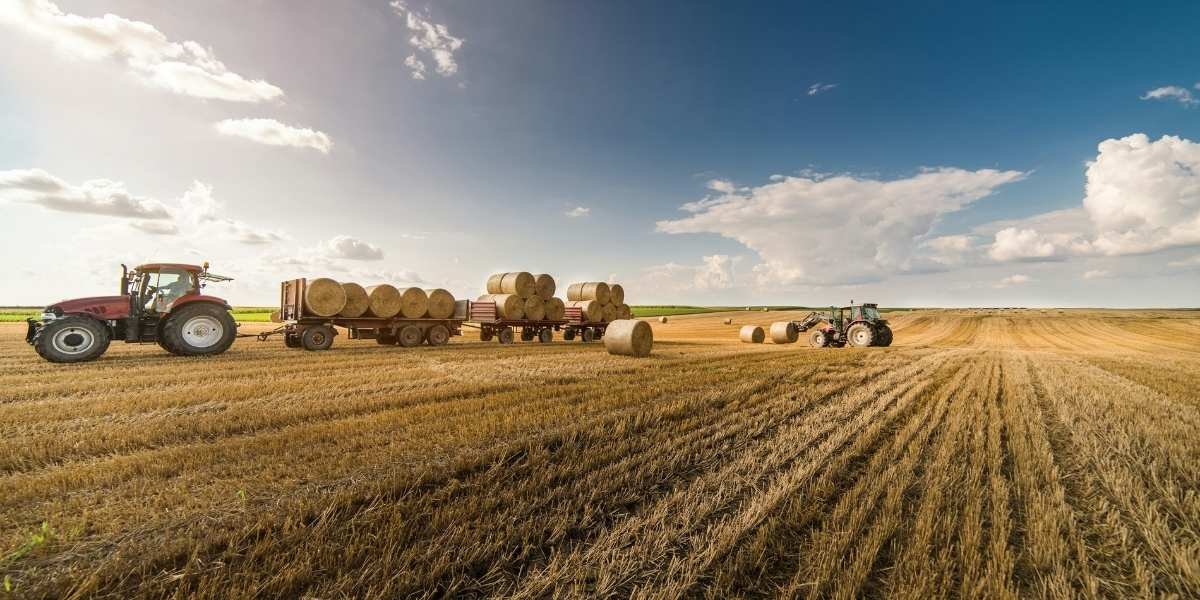






Ranchers Katie and Keith Baltzor of Harney County are adjusting their cattle operations after wildfires damaged mountain grazing areas, while drought conditions and higher diesel expenses have complicated hay production. The losses have forced changes to cattle grazing and increased the need to manage fuel use as the ranchers prepare winter feed supplies.
Key Takeaways
- Wildfires damaged mountain grazing areas used by Katie and Keith Baltzor in Harney County.
- The ranchers moved cattle closer to home after losing access to some grazing land.
- Higher diesel expenses increased the cost of operating tractors and harvesting hay.
- The ranchers are weighing fuel consumption against the need to produce winter feed.
- Limited precipitation could affect irrigation water and grass growth in the following year.
Wildfires Damage Grazing Areas Used by Harney County Ranchers
Wildfires have disrupted the operations of Oregon ranchers Katie and Keith Baltzor, whose cattle typically use mountain grazing areas in Harney County. Damage to those areas reduced the land available for their usual grazing practices and required changes to where the animals were kept.
The ranchers brought cattle closer to home after losing access to some of their mountain grazing land. That change altered their normal grazing arrangements and added to the work involved in managing the herd.
Mountain pastures provide cattle with access to grass during the grazing season. When fire damages those areas, ranchers may have fewer locations available for feeding their animals and must adjust their operations around the remaining resources.
The damage also raises questions about how wildfire expenses affect agricultural operations across Oregon. State officials have addressed the financial demands of fire response through Oregon’s wildfire funding requests, which detail the costs of suppression and the resources needed to pay firefighting agencies and contractors. Those state-level expenses are separate from the operating costs individual ranchers face when fires damage grazing land.
For the Baltzors, the loss of grazing access has increased the need to plan for feed outside their usual grazing areas. Hay production and winter feed supplies have become important considerations as they manage the effects of the fires.
Cattle Operations Shift After Loss of Mountain Grazing Land
Moving cattle closer to home has changed the Baltzors’ grazing arrangements following the wildfire damage. The adjustment addresses the loss of access to some mountain areas, but it also makes feed planning more important as the ranchers manage their herd.
Cattle operations depend on access to adequate forage throughout the grazing season. When available grazing land is reduced, ranchers must account for the feed their animals can obtain from remaining pastures and the supplies they may need to provide separately.
Hay is one of the feed sources used to support cattle when pasture grazing is insufficient or unavailable. Ranchers must plan production and storage around the amount of feed their animals will need, making the condition of grazing land relevant to decisions about hay harvesting.
The Baltzors are balancing those needs against the cost of producing feed. Operating tractors and other agricultural equipment requires fuel, and diesel expenses affect the cost of completing fieldwork.
Their situation also involves water availability, which affects forage production and pasture conditions. Oregon’s expanded drought emergency declarations describe state-level concerns about reduced precipitation and water supplies affecting agriculture, livestock operations and rural communities. Conditions differ across the state, but water availability remains a practical consideration for ranchers managing grazing land and feed production.
These decisions must be made alongside the immediate work of caring for cattle and producing hay. The loss of grazing areas, fuel expenses and uncertainty about future forage conditions all affect the resources the ranchers can allocate to winter preparation.
Diesel Expenses Increase the Cost of Hay Production
Higher diesel costs have added to the expense of producing hay for the Baltzors. Tractors and other farm equipment consume fuel during field operations, making diesel prices a direct consideration in the work needed to harvest and prepare feed.
The ranchers have been weighing whether to make multiple tractor passes or use a harvesting approach that requires fewer trips. That decision involves balancing fuel consumption against the need to collect enough hay for their cattle.
Each additional trip with fuel-powered equipment adds to operating expenses. Reducing the number of passes can limit fuel use, but the ranchers must also consider the amount of hay they need to secure for the colder months.
Hay production requires planning around both field conditions and the resources available to complete the work. When drought limits grass growth, the amount of feed that can be harvested may become a concern alongside the cost of running equipment.
For cattle producers, fuel expenses affect more than the immediate cost of harvesting. Diesel is also used in other farm operations, including transporting equipment and supplies. Higher fuel costs can therefore influence decisions about when and how agricultural work is completed.
The Baltzors’ choices show the direct connection between fuel use and hay production on their ranch. Their approach must account for the available feed, the equipment needed to harvest it and the expense of operating that machinery.
Hay Harvest Decisions Affect Fuel Consumption
The choice between multiple tractor passes and a method requiring fewer trips places fuel efficiency alongside feed requirements. The ranchers must weigh the cost of additional equipment use against their need to prepare adequate winter supplies.
The amount of hay produced also matters because cattle require feed when grazing is limited. A decision that reduces fuel consumption must still fit the ranchers’ practical needs for harvesting and storing enough feed for their herd.
Winter Feed Planning Becomes More Difficult for Ranchers
Winter feed planning requires the Baltzors to consider the amount of hay they can produce and the needs of cattle whose access to mountain grazing land has been reduced. The ranchers are assessing those requirements while managing the expense of running farm equipment.
Hay supplies help ranchers feed cattle when grass is unavailable or grazing conditions do not provide enough forage. The quantity harvested affects how much feed is on hand for the winter period and whether additional supplies may be needed.
Drought conditions complicate that planning by limiting the water available for growing grass and other forage. When precipitation is insufficient, pasture growth can be reduced, affecting the feed available to livestock.
The Baltzors are also considering the possibility of purchasing hay if their own supplies are inadequate. Buying feed would add another expense to an operation already dealing with fuel costs and wildfire-related grazing disruptions.
Transporting purchased hay can bring additional costs, particularly when supplies must be moved over longer distances. The ranchers’ planning therefore involves both the amount of feed available and the expense of obtaining more if necessary.
These decisions must be made alongside the immediate work of caring for cattle and producing hay. The loss of grazing areas, fuel expenses and uncertainty about future forage conditions all affect the resources the ranchers can allocate to winter preparation.
Limited Precipitation Raises Concerns About Future Grazing Conditions
The Baltzors are concerned that limited precipitation could reduce irrigation water and grass growth in the following year. Those conditions would affect the land and water resources needed to support grazing and produce feed for cattle.
Irrigation water helps support grass and forage growth where ranching operations depend on managed water supplies. If water availability declines, ranchers may have fewer resources to maintain productive growing areas.
Grass growth also affects the amount of forage cattle can obtain from pasture. Poor growing conditions can increase the need for supplemental feed, adding to the importance of planning hay production and storage.
For the Baltzors, future precipitation is one of several factors affecting their decisions about feed supplies. The condition of grazing land, the availability of irrigation water and the cost of operating equipment all influence how they prepare for another growing season.
The combination of wildfire damage and dry conditions has required changes to their current operations while raising concerns about the resources available in the following year. Their planning involves managing the cattle herd with the grazing areas that remain accessible and considering how much additional feed may be necessary.
Frequently Asked Questions
How have wildfires affected Oregon ranchers?
Wildfires damaged mountain grazing areas used by Katie and Keith Baltzor in Harney County. The ranchers moved cattle closer to home after losing access to some of that land.
Why are diesel costs important to Oregon cattle ranching?
Diesel powers tractors and other equipment used for agricultural work, including hay production. Higher fuel expenses can increase the cost of harvesting feed and influence decisions about equipment use.
How does drought affect hay production in Harney County?
Drought can limit water availability and grass growth, affecting the forage available for livestock and the amount of hay that can be produced. Reduced forage can make winter feed planning more difficult.
Why do ranchers need to plan winter feed supplies?
Cattle need adequate feed when grazing is limited or unavailable. Ranchers must estimate their feed requirements and consider whether their own hay production will be sufficient or whether additional supplies may be needed.
How can limited precipitation affect grazing conditions in Oregon?
Limited precipitation can reduce irrigation water availability and grass growth. These conditions may affect pasture forage and increase the need for supplemental feed.
