

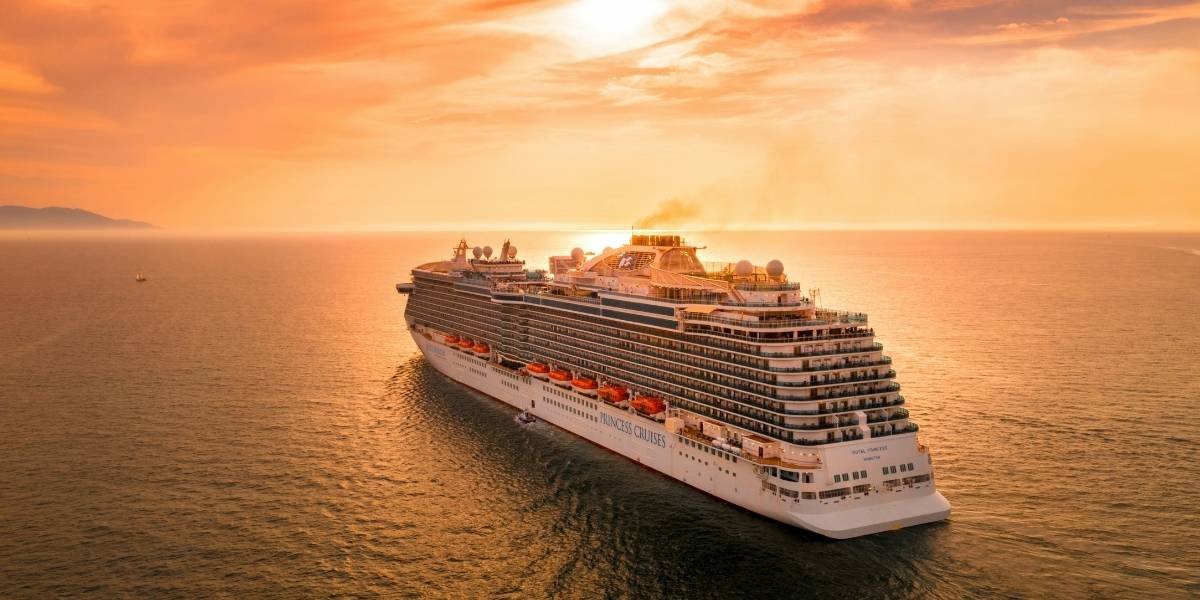






A cruise ship in the Atlantic became the site of a medical emergency when a Hantavirus outbreak affected several passengers. Dr. Stephen Kornfeld, a physician from Bend, Oregon, found himself stepping into a critical care role after the ship’s medical team was overwhelmed. The outbreak, which has led to at least three fatalities, has prompted an international health response.
The MV Hondius, a vessel operated by Oceanwide Expeditions, was on an exploratory voyage when several passengers began showing flu-like symptoms, including fever, muscle aches, and respiratory distress. As the symptoms worsened, the onboard medical team struggled to manage the cases, and the ship’s captain called for additional medical assistance. Dr. Kornfeld, a passenger on the ship, responded to the call for help, offering his expertise to manage the crisis.
The ship was initially en route to remote destinations when the outbreak occurred, and health authorities were alerted to the situation as soon as the severity of the illness became apparent. This response highlights the challenges faced by maritime health teams in isolated environments.
Hantavirus Identified as Cause of Outbreak
Health authorities confirmed that the illness affecting passengers was caused by Hantavirus, a viral disease primarily transmitted through rodent urine, saliva, or feces. The Andes virus, one of the strains of Hantavirus, has been linked to human outbreaks in South America and has now been identified as the cause of the illness aboard the MV Hondius.
Hantavirus is most commonly associated with rodent infestations in rural areas, but it can also be transmitted in confined spaces, such as cruise ships. The Hantavirus Pulmonary Syndrome (HPS) caused by the virus leads to symptoms including fever, muscle aches, dizziness, and severe difficulty breathing, and it can be fatal if not treated immediately.
In response to the outbreak, the ship’s medical team isolated affected passengers and began monitoring the remaining travelers for any signs of the virus. Health agencies also issued alerts for passengers to remain vigilant for symptoms in the weeks following their disembarkation. Medical experts emphasized that although Hantavirus can be fatal, its transmission between humans remains rare and generally occurs under prolonged, close contact.
Medical Response and Oregon Doctor’s Role
Dr. Kornfeld, an experienced physician, was already aboard the MV Hondius as part of the ship’s passenger list. When he learned of the illness spreading among passengers, he immediately began assisting the medical team with triage, symptom management, and isolation protocols. With the ship’s medical staff stretched thin, Kornfeld worked alongside them to provide critical care for those most affected by the virus.
According to reports from passengers on board, Kornfeld’s efforts were instrumental in stabilizing several of the critically ill passengers. His decision to step in reflects the importance of having medical personnel readily available in remote locations, where immediate access to shore-based medical care is not feasible.
In a statement from Oceanwide Expeditions, the company acknowledged Dr. Kornfeld’s invaluable contribution to the emergency response. The company also worked closely with health agencies to ensure that those affected by the virus received proper medical attention upon arrival at the next port.
International Health Response: Monitoring and Containment
As the ship continued its journey, international health authorities, including the World Health Organization (WHO) and the Centers for Disease Control and Prevention (CDC), coordinated efforts to contain the outbreak and ensure the health and safety of the remaining passengers.
The ship was initially scheduled to dock at Cape Verde, but it continued its voyage toward the Canary Islands for a more extensive health check. Upon arrival, local authorities were prepared to meet the ship, and health officials began testing and monitoring passengers for any additional symptoms.
Health agencies also initiated contact tracing, reaching out to travelers who had already disembarked at earlier ports to ensure they were aware of the potential exposure and to advise them to monitor their health. The CDC issued travel advisories to inform the public of the outbreak, noting that the overall risk of widespread transmission was minimal.
Passenger health monitoring continued after disembarkation, with travelers being advised to seek medical attention if they began showing any symptoms of Hantavirus infection. Public health experts confirmed that while the outbreak was serious, the risk of further transmission beyond the ship remained low, given the nature of Hantavirus transmission.
The Challenge of Managing Infectious Diseases at Sea
The outbreak aboard the MV Hondius serves as a stark reminder of the unique challenges cruise ships face when managing infectious disease outbreaks. Cruise ships, with their confined spaces and high passenger density, are susceptible to the rapid spread of contagious diseases. Hantavirus, although rarely transmitted between humans, can spread in environments like these if appropriate isolation measures are not implemented promptly.
In the case of the MV Hondius, the presence of a physician like Dr. Kornfeld helped alleviate some of the pressure on the ship’s medical team. While the ship’s medical staff is trained to handle common medical issues, dealing with a disease outbreak in a confined space requires specialized knowledge and rapid action.
Many cruise lines now have comprehensive emergency protocols in place for dealing with health crises, including medical staff training, quarantine procedures, and partnerships with shore-based healthcare systems.
Hantavirus Transmission and Precautionary Measures
Hantavirus is primarily transmitted to humans through inhalation of dust contaminated by rodent urine, saliva, or feces. While person-to-person transmission is possible in rare cases, it generally requires prolonged, close contact. On cruise ships, where passengers share close quarters, health experts recommend extra caution and regular monitoring during an outbreak.
Preventative measures typically include sealing off affected areas, isolating those showing symptoms, and ensuring that areas with high potential for rodent contamination are thoroughly cleaned. Cruise ships also have protocols for monitoring health throughout the journey, ensuring early detection and rapid response in the event of an outbreak.
Cruise lines are equipped with medical facilities to handle a range of health concerns. However, in the case of a more serious or rare disease, the ability to respond quickly and appropriately can significantly impact the health outcomes for those affected.
Ongoing Health Monitoring and Future Precautions
As passengers disembark and return to their home countries, health authorities will continue to monitor their health for any signs of Hantavirus infection. This monitoring will continue for several weeks to ensure that no new cases arise. The CDC and other health agencies will be actively involved in tracking the aftermath of the outbreak, working with local healthcare providers to ensure that passengers who need medical care receive it promptly.
Public health experts stress that while the MV Hondius outbreak was a serious situation, it does not signal a broader public health emergency. Hantavirus remains a rare condition, and transmission outside of close quarters like those on the cruise ship is unlikely. However, health experts recommend that people continue to take precautions to avoid exposure to rodents and their waste in areas where the virus is prevalent.
Disclaimer:
This article is for informational purposes only and should not be considered medical advice. Readers experiencing any symptoms related to Hantavirus or any other health concerns should consult with a healthcare professional for proper diagnosis and treatment.
