

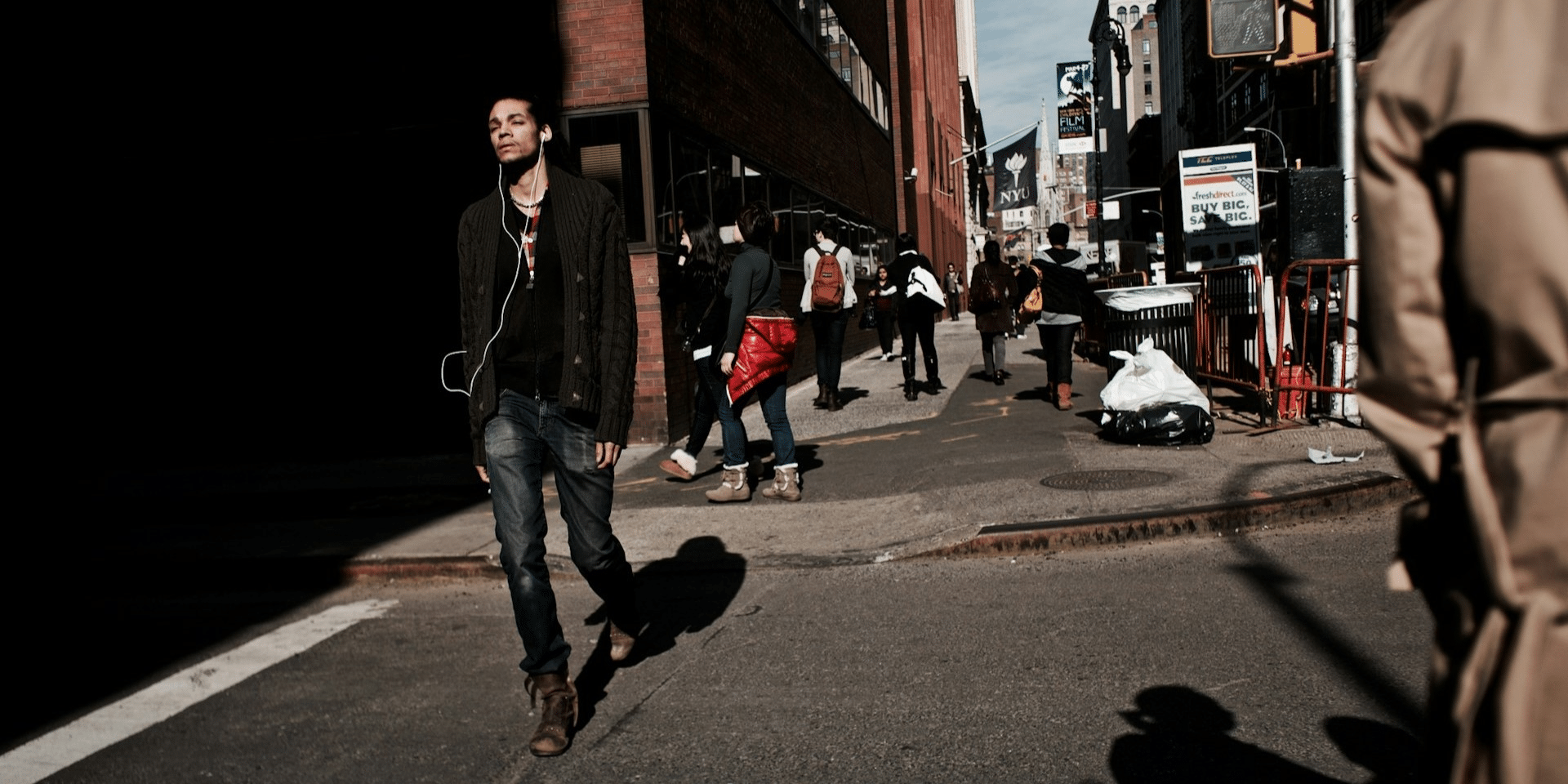





Increased foot traffic in downtown Portland plays a pivotal role in driving economic recovery, fostering community engagement, and enhancing urban development. As Portland works to bounce back from economic challenges, the presence of more pedestrians downtown benefits local businesses, promotes sustainability, and creates a safer, more vibrant urban environment.
Economic Revitalization
Boost for Local Businesses
More foot traffic directly translates into economic benefits for local businesses, especially those in retail, dining, and entertainment. Small businesses, which are often the backbone of Portland’s downtown economy, rely heavily on pedestrian activity to drive customer engagement and sales. After the pandemic, many of these businesses struggled, but with increased foot traffic, they have a better chance of recovering and thriving. The renewed activity injects life into the downtown economy and fosters a more vibrant local business scene.
Increased pedestrian movement also creates opportunities for new business ventures. Entrepreneurs are more likely to establish stores, cafes, or entertainment spots when they see potential customers walking through downtown. This dynamic reinforces the local economy, as money circulates more effectively within the community.
Revitalization of Vacant Spaces
In the wake of reduced activity and rising vacancies, more people downtown can help rejuvenate underused commercial properties. As foot traffic increases, vacant spaces in office buildings and retail fronts become more attractive to potential tenants. This activity creates economic momentum, encouraging new tenants to move in and spurring redevelopment projects that breathe new life into neglected areas.
This ripple effect benefits not just property owners but also the wider community, as revitalized spaces attract more businesses, jobs, and visitors.
Urban Development and Infrastructure
Improvement in Public Spaces
A bustling downtown often leads to improvements in public infrastructure. Cities are more likely to invest in parks, pedestrian-friendly streets, and transportation hubs when there is visible demand from residents and visitors. Enhancing these spaces makes downtown more attractive, contributing to a higher quality of life for both residents and visitors.
Well-maintained public spaces also encourage more outdoor activities, helping to create a lively, active downtown atmosphere that draws even more foot traffic.
Encourages New Developments
Foot traffic is a strong signal for developers looking to invest in urban areas. With an increase in pedestrian activity, developers are more inclined to invest in new residential and commercial projects, particularly mixed-use buildings that combine housing, retail, and office space. These developments not only accommodate the rising number of people downtown but also contribute to Portland’s long-term economic growth.
New construction projects bring jobs, boost the local economy, and help meet the needs of Portland’s growing population. In turn, these developments stimulate further foot traffic, creating a positive feedback loop.
Increased Safety and Community Engagement
Safer Public Spaces
Higher pedestrian traffic contributes to a sense of safety in urban areas. More people on the streets means increased visibility, which can help deter crime through social oversight. Communities feel safer when public spaces are filled with active residents and visitors, fostering a welcoming atmosphere.
As people feel safer, they are more likely to spend time downtown, visit businesses, and participate in local activities, thus reinforcing the importance of foot traffic for both economic and social reasons.
Cultural and Social Events
More people downtown encourages the organization of festivals, outdoor markets, and community events. These gatherings foster a sense of community and make Portland’s downtown more attractive to residents and visitors alike. Cultural events enhance the city’s social fabric and create an inclusive atmosphere where people from different backgrounds can engage and connect.
These events also provide economic benefits by drawing in tourists and encouraging local spending, further boosting Portland’s downtown economy.
Tourism Growth
Attracts Visitors
A lively downtown is a magnet for tourists. Increased foot traffic helps create an appealing atmosphere for visitors, encouraging them to explore the city’s cultural landmarks, museums, and restaurants. This benefits the hospitality industry, including hotels and tourist attractions, which thrive on steady streams of visitors.
Tourism, in turn, stimulates local spending, provides jobs, and supports businesses that cater to out-of-town guests.
Enhances City Image
A bustling downtown improves Portland’s image as a vibrant, thriving city. This enhanced reputation can attract not only tourists but also new residents and investors who see the city as a lively, promising place to live and do business. A strong downtown signals a healthy economy, making Portland more appealing for future investment.
Sustainability and Transportation
Promotion of Public Transportation
Increased foot traffic naturally encourages the use of public transportation. As more people walk downtown, there is a reduced need for cars, aligning with Portland’s sustainability goals. This shift to public transit and non-motorized transportation options helps reduce emissions and promote cleaner air in the city, supporting Portland’s reputation as a green, eco-friendly destination.
Reduction of Traffic Congestion
With more people choosing to walk, bike, or use public transportation, downtown Portland sees less traffic congestion. This not only improves mobility but also creates a more pleasant environment for pedestrians and businesses alike. Fewer cars on the road mean safer streets, lower pollution levels, and a more attractive downtown for residents and visitors.
Increased foot traffic is essential for the economic, social, and environmental revitalization of downtown Portland. It drives growth for local businesses, encourages urban development, and promotes a more sustainable transportation model. As Portland continues to evolve, fostering downtown activity will play a crucial role in creating a vibrant, thriving city that attracts both tourists and residents, paving the way for future growth and prosperity.
