








Insect decline isn’t just a global concern, it’s a local one, too. Across Portland and surrounding Oregon communities, farmers and food producers are seeing the effects in real time. Fewer pollinators mean fewer fruits, vegetables, and herbs making it to market. And while the issue may seem invisible to most shoppers, it’s quietly reshaping how food is grown, sourced, and priced in the region.
Pollinators like bees, butterflies, and beetles play a critical role in crop reproduction. Without them, plants like blueberries, cucumbers, and apples struggle to set fruit. In Portland’s urban farms and nearby agricultural zones, the drop in insect activity has led to lower yields and more unpredictable harvests. Some growers have started renting managed pollinator colonies to fill the gap, but that solution comes with added cost, and it’s not always effective. The natural balance that once supported local food systems is shifting, and it’s happening faster than many expected.
From Fields to Farmers Markets: A Growing Concern
Portland’s local farmers are seeing firsthand how insect decline is reshaping their growing seasons. Crops that rely on pollinators, like squash, berries, and stone fruits, are producing less, and the timing of harvests has become harder to predict. Some growers have started planting wildflowers and native plants to attract bees and butterflies, while others are experimenting with companion planting to boost natural pollination. These efforts reflect a growing urgency: without enough insects, even the most carefully tended crops can fall short.
The impact is showing up at farmers markets across the city. Shoppers may notice smaller produce, fewer heirloom varieties, or gaps in availability for certain fruits and vegetables. Vendors are adjusting their offerings week to week, depending on what’s thriving and what’s struggling. It’s not just about aesthetics, it’s about food quality and consistency. When pollination is incomplete, fruits can be misshapen or underdeveloped, which affects taste, shelf life, and pricing. That’s a challenge for Portland’s food scene, where freshness and flavor are central to how residents shop and eat.
Beyond the stalls, restaurants and food carts are feeling the ripple effect. Chefs who rely on seasonal ingredients are reworking menus to accommodate unpredictable supply. Some are sourcing from multiple farms to fill gaps, while others are leaning into preservation techniques to stretch what they can get. The shift has sparked deeper conversations about ingredient sourcing and sustainability, especially as concerns grow around food integrity. Portland’s culinary identity is rooted in local agriculture, and insect decline is quietly testing the resilience of that connection.
Ingredient Quality and the Bigger Picture
Insect decline also intersects with broader concerns about food integrity. When pollination falters, producers may turn to synthetic solutions or imported ingredients to meet demand. That shift can introduce new risks, including exposure to additives or contaminants that wouldn’t be present in locally grown food. It’s part of the reason why Portland’s food community is paying closer attention to sourcing and transparency. Conversations around the importance of ingredient quality in food promotions are becoming more common, especially as consumers ask tougher questions about where their food comes from and how it’s grown.
Some local nutritionists and sustainability advocates are also raising flags about the long-term impact of insect decline on food diversity. Without reliable pollination, certain crops may disappear from the local landscape altogether. That loss doesn’t just affect farmers, it affects cultural traditions, dietary variety, and even neighborhood identity. Portland’s food culture is deeply tied to its geography, and insect decline threatens to unravel parts of that connection.
What’s Happening Beneath the Surface
The issue goes beyond pollination. Insects also contribute to soil health, pest control, and ecosystem balance. When populations drop, those systems start to break down. Farmers may see more invasive pests, less fertile soil, and greater reliance on chemical treatments, all of which can affect the safety and sustainability of Portland’s food supply. It’s a domino effect that starts small but spreads quickly.
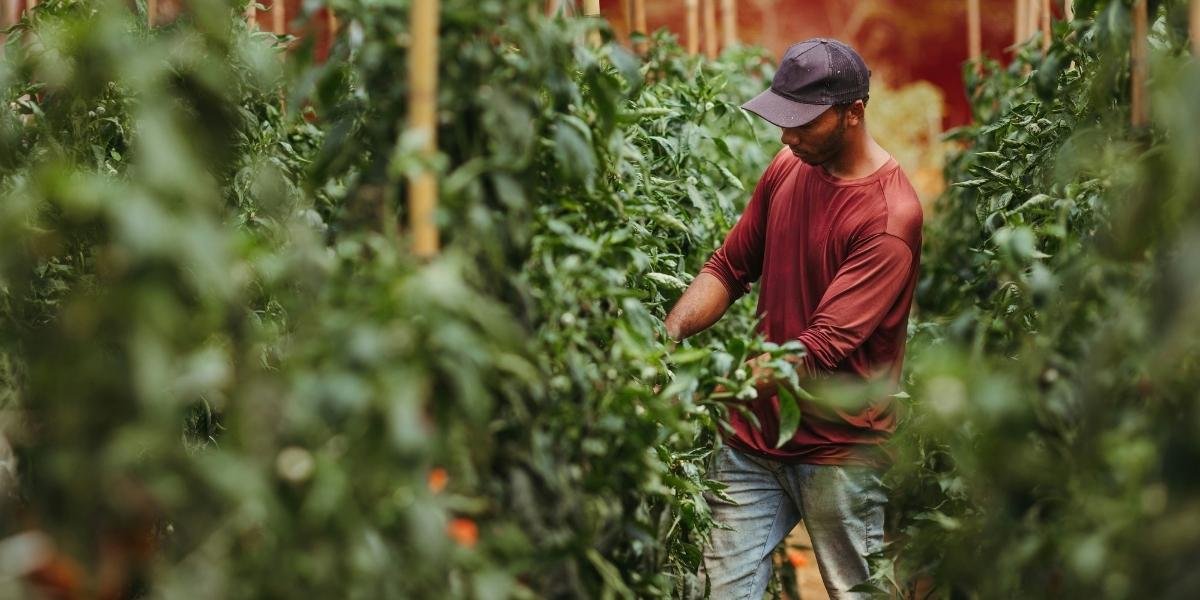
Photo Credit: Unsplash.com
Some researchers have linked insect decline to environmental stressors like habitat loss, pollution, and microplastic contamination. While Portland has made strides in green infrastructure and urban gardening, the region isn’t immune. Studies exploring what foods are most likely to contain microplastics suggest that even well-intentioned food systems can be vulnerable. That’s why local scientists and educators are pushing for more awareness, not just among farmers, but among consumers, policymakers, and schools.
Portland’s Response and What Comes Next
Despite the challenges, Portland is responding with creativity and care. Community gardens are planting pollinator-friendly species, schools are teaching kids about insect ecosystems, and nonprofits are distributing seed kits to encourage backyard biodiversity. These efforts may seem small, but they add up, especially in a city where grassroots action often leads to real change.
Farmers are also collaborating more closely with researchers and conservationists to monitor insect populations and test new strategies. Some are experimenting with crop rotations that support native species, while others are building partnerships with local beekeepers. The goal isn’t just to restore what’s been lost, it’s to build a more resilient food system that can adapt to future shifts.
Insect decline is a complex issue, but its impact on Portland’s food production is clear. From the soil to the supermarket, every part of the chain feels the strain. And while the solutions may take time, the city’s commitment to sustainability, transparency, and community-driven innovation offers hope. Portland’s food story is still being written, and insects, small as they are, remain a vital part of the plot.
