






Portland’s decision to ban gas-powered leaf blowers, starting January 2026, represents a groundbreaking shift in how the city handles landscaping and public health. This move, passed unanimously by the City Council, reflects increasing concerns over noise pollution, air quality, and worker safety. For residents, the ban means quieter neighborhoods and cleaner air, marking a major environmental milestone for the city.
The phased rollout of the ban allows for some seasonal use of gas-powered blowers during peak leaf fall, but by 2028, these machines will be banned entirely year-round. This gradual approach recognizes both the challenges posed by current technology and the need to manage Portland’s expansive tree-lined streets. Electric alternatives, which are quieter and produce fewer emissions, are expected to take the lead in replacing their gas counterparts.
How quickly residents and landscapers will embrace electric blowers as the standard? Will the transition be smooth, or will challenges arise as efficiency and sustainability are balanced?
Health and Environmental Motivations
Gas-powered leaf blowers have long been criticized for their detrimental effects on both the environment and public health. These machines emit pollutants at levels equivalent to driving a car for several hours, and their noise often exceeds safe exposure limits. Workers who operate these machines daily face heightened risks, with prolonged exposure linked to respiratory issues and hearing damage.

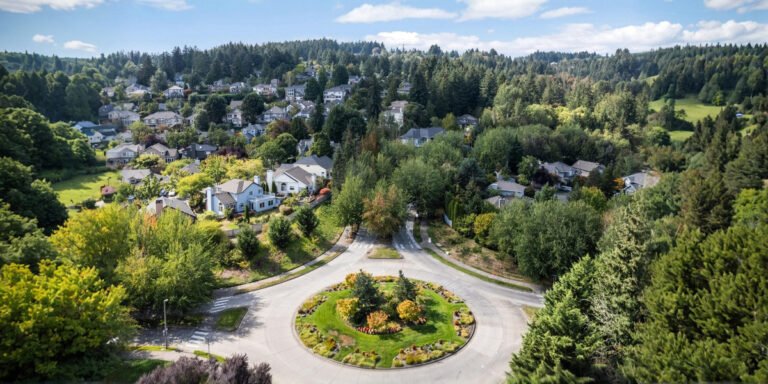
Photo Credit: Unsplash.com
Portland’s ban aims to alleviate these harmful effects by encouraging the adoption of electric blowers. Electric alternatives not only reduce harmful emissions but also operate at quieter decibel levels, offering a healthier option for workers and residents alike. Public health advocates have highlighted that this ban isn’t just about comfort—it’s about safeguarding vulnerable populations from the harmful effects of air pollution and excessive noise.
The burning question, however, is: what tangible difference will the ban make in terms of health outcomes? While studies suggest improvements in air quality and noise reduction, it’s the lived experience of Portland residents and landscaping workers that will ultimately determine the success of this policy.
Community Response and Cultural Impact
Portland’s neighborhoods are deeply rooted in a sense of community, and the leaf blower ban has sparked ongoing conversations about shared responsibility and the city’s collective role in environmental stewardship. Many residents welcome the prospect of quieter streets and improved air quality, while others express concern about the practicality of using electric alternatives, particularly during the peak leaf-fall season. The phased implementation strategy is designed to address these concerns, but debates persist.
Culturally, this ban reflects Portland’s identity as a city committed to sustainability and innovation. By aligning its policies with these values, Portland reinforces its position as a leader in environmental initiatives. The ban also shows how everyday tools, like leaf blowers, can evolve into symbols of broader societal shifts towards eco-consciousness.
The broader curiosity gap emerges when considering the potential ripple effects. Could Portland’s pioneering ban inspire similar measures across the nation? Or will it remain a unique local initiative that reflects the city’s distinct priorities?
Technology and the Future of Landscaping
With the ban’s implementation, the spotlight is on technology to provide effective and sustainable alternatives. Electric leaf blowers, while quieter and cleaner, have had limitations, particularly when it comes to handling wet, heavy leaves typical of Portland’s fall season. Manufacturers are stepping up efforts to produce more powerful electric blowers that meet professional standards without compromising environmental benefits.
For landscaping businesses, the transition to electric blowers presents both challenges and opportunities. Upgrading equipment fleets will require significant investment, but it also offers the chance to be recognized as leaders in sustainable practices. The shift may open up new markets for innovative tools and services that prioritize efficiency, health, and wellness.
The underlying question is whether technological advancements will keep pace with the increasing demand for electric blowers. Will these machines become the norm across the landscaping industry, or will emerging technologies redefine how communities maintain outdoor spaces in the future?
Balancing Tradition and Change
Leaf blowers have become a staple of urban and suburban life, seen as a quick and efficient solution for maintaining tidy lawns and streets. The ban, however, challenges this long-standing tradition, prompting residents and workers to reconsider the true meaning of efficiency in the context of health, environmental impact, and sustainability. For some, the change feels disruptive, while for others, it represents a significant step forward.
The ordinance carefully balances the preservation of Portland’s natural beauty with a commitment to protecting the well-being of its residents. By phasing in the ban gradually, Portland allows residents to adjust to the new norms, blending tradition with modern environmental priorities. This approach ensures that the transition is as smooth as possible, rather than a jarring shift.
The lingering question is how Portlanders will look back on this moment. Will the leaf blower ban be viewed as a pivotal moment in the city’s environmental evolution, or will it be seen as a pragmatic response to evolving city needs? Ultimately, the answer will depend on how well the city adapts to the changes and incorporates sustainable practices into daily life.
