

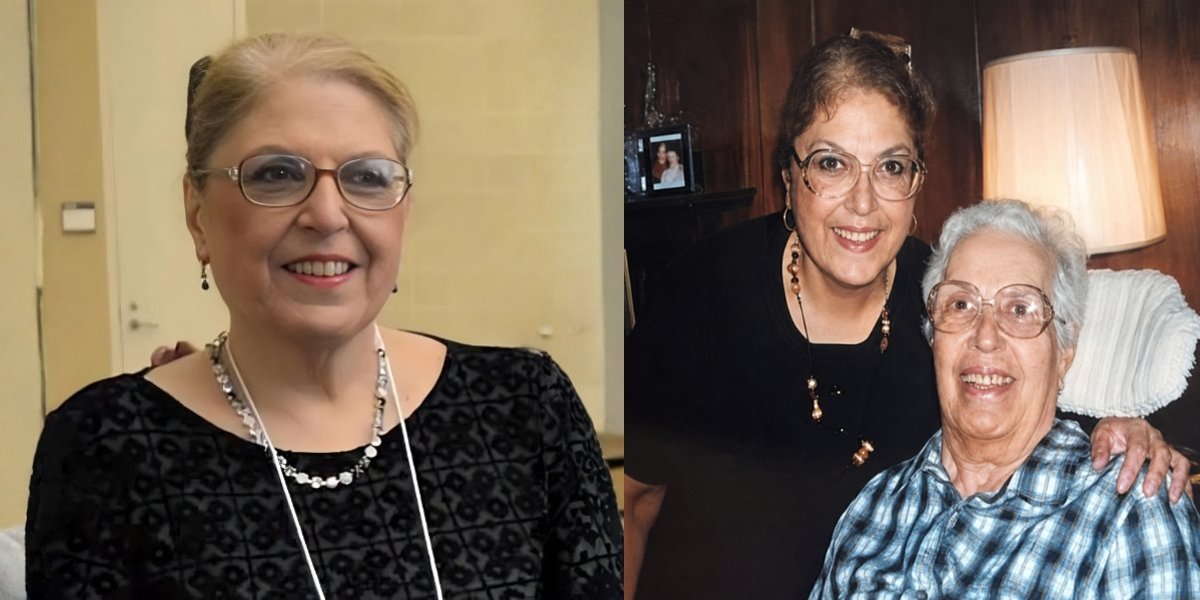





Most grief books are written from the other side. This one was written from the floor.
There is a specific kind of loneliness that comes after a funeral. The calls slow down. The casseroles stop arriving. Everyone around you returns to their normal life, and you are left standing in a house that does not feel like yours anymore. The grief books on the shelf mostly talk about what comes after that. Irene Tunanidas wrote about what happens during it.
Irene Tunanidas, Author of Rising From the Abyss of Grief
Rising From the Abyss of Grief is not a book written from a place of resolution. It is a book written by someone who knows what Day Two feels like when the phone has gone quiet, and what Day Six feels like when the only thing that helps is screaming in the basement until the darkness has somewhere to go. Irene has been in that place. She wrote the book she needed when she was there, because it did not exist yet.
What the Greek Orthodox Church Actually Gave Her
Irene Tunanidas grew up in a Greek Orthodox household where faith was not a Sunday habit. It was a daily practice, something her family returned to in the morning and again at night, through prayer, through scripture, through the rhythms of a tradition that had shaped her family for generations.
When her mother died in January 2007 and the grief set in, the church did not make the pain disappear. That is not what faith does, and Irene has never suggested otherwise. What the Greek Orthodox community gave her was structure and presence. It was a place to go when staying home felt impossible. It was a set of prayers to return to when her own words ran out. It was a community that did not require her to be okay in order to belong to it.
That grounding is woven through every page of the 30-day devotional at the center of her book. The faith in it is not decorative. It is practical. It is the kind of faith that has been tested enough to know what it can and cannot carry.
What Prayer Looks Like When You Are Not Okay
There is a version of grief that looks spiritual and composed. Irene is honest about the fact that hers did not look like that.
She screamed. She walked from room to room in her house after her mother’s funeral, checking to see if her mother had come back. She cried almost every day for months. She did not want to leave the house, and most days she did not. The prayer she returned to during that time was not peaceful or quiet. It was desperate. It was the kind of conversation with God that starts with questions and does not always end with answers.
The 30-day devotional in her book reflects that honesty. It does not ask the reader to approach grief with serenity. It meets them where grief actually starts, which is usually somewhere between confused and completely undone. The daily readings and prompts in the book were built for that place, not for the calmer stretch of ground that comes later.
Why a Coleslaw Recipe Belongs in a Grief Book
One of the most specific things about Rising From the Abyss of Grief is that it includes practical guidance alongside the spiritual content. Not as a contrast to it, but as an extension of it.
On Day Ten, there is a coleslaw recipe. That detail surprises people when they first hear it, and then it makes complete sense. Grief takes people out of their bodies. It removes appetite, motivation, and the ability to make basic decisions about daily life. Getting someone back into a kitchen, giving their hands something to do, connecting them to something as simple and grounding as preparing food, is not a distraction from grief. It is a way through it.
Other days in the 30-day guide suggest attending a community event, reaching out to someone who has drifted away, or writing a letter. Each prompt is practical and specific. None of them asks the reader to feel better. They ask the reader to move, just a little, just enough to keep the day from closing in entirely.
That combination of spiritual grounding and practical instruction is woven through the book’s structure. It does not offer comfort from a distance. It sits down next to the reader and gives them something to do with their hands.
A Guide That Starts at the Bottom
Most books about grief are written once the author has found their footing again. They look back at the hard part from a safer place and try to describe it. There is value in that. But it also creates a certain distance between the writing and the experience, a tidiness that the actual grief never had.
Irene started writing in 2011, four years after her mother died. She was not fully through it yet. The flashbacks were still coming. The manuscript brought some of them back as she wrote. She had to put it down more than once, let her mind settle, and come back when she could. The book carries those interruptions inside it, not as a flaw but as evidence. This is what it actually looks like to write about grief without pretending it is behind you.
The 30-day structure gives the reader a container for that experience. It does not promise that Day Thirty will feel like an arrival. It promises that having a structure, something to return to each morning, something that moves you forward even when you do not feel ready to move, makes the road more manageable than it would be without one.
That is a modest promise. It is also an honest one. And in a space full of books that promise more than they can deliver, honesty is its own kind of relief.
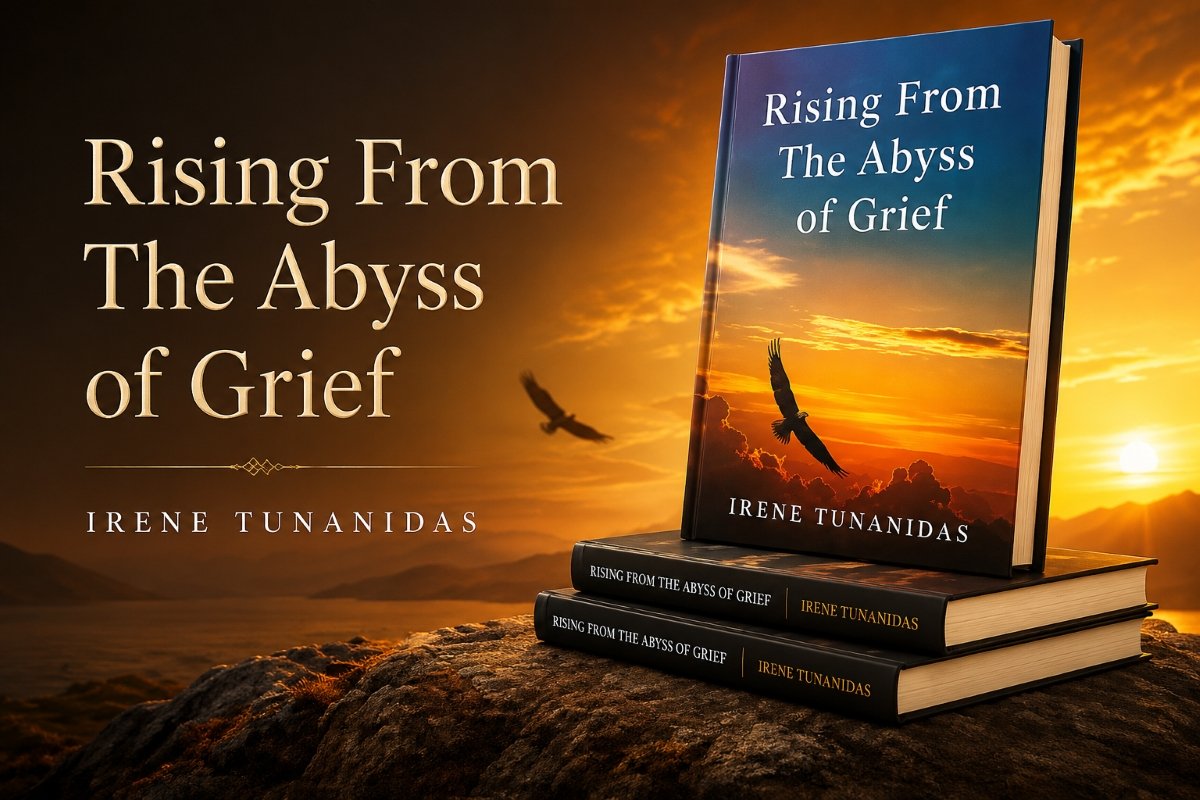
The Book Behind the Journey
Rising From the Abyss of Grief crosses categories. It is part memoir, part devotional, and entirely the product of one woman’s willingness to document her grief without cleaning it up first. For readers who are tired of being told that faith means peace, or that healing means moving on, this book offers a different framing. It says that faith means showing up even when you have nothing left, and that healing means taking the next step even when you cannot see where it leads.
The coleslaw is on Day Ten. The scripture is there, too. Both are doing the same work.
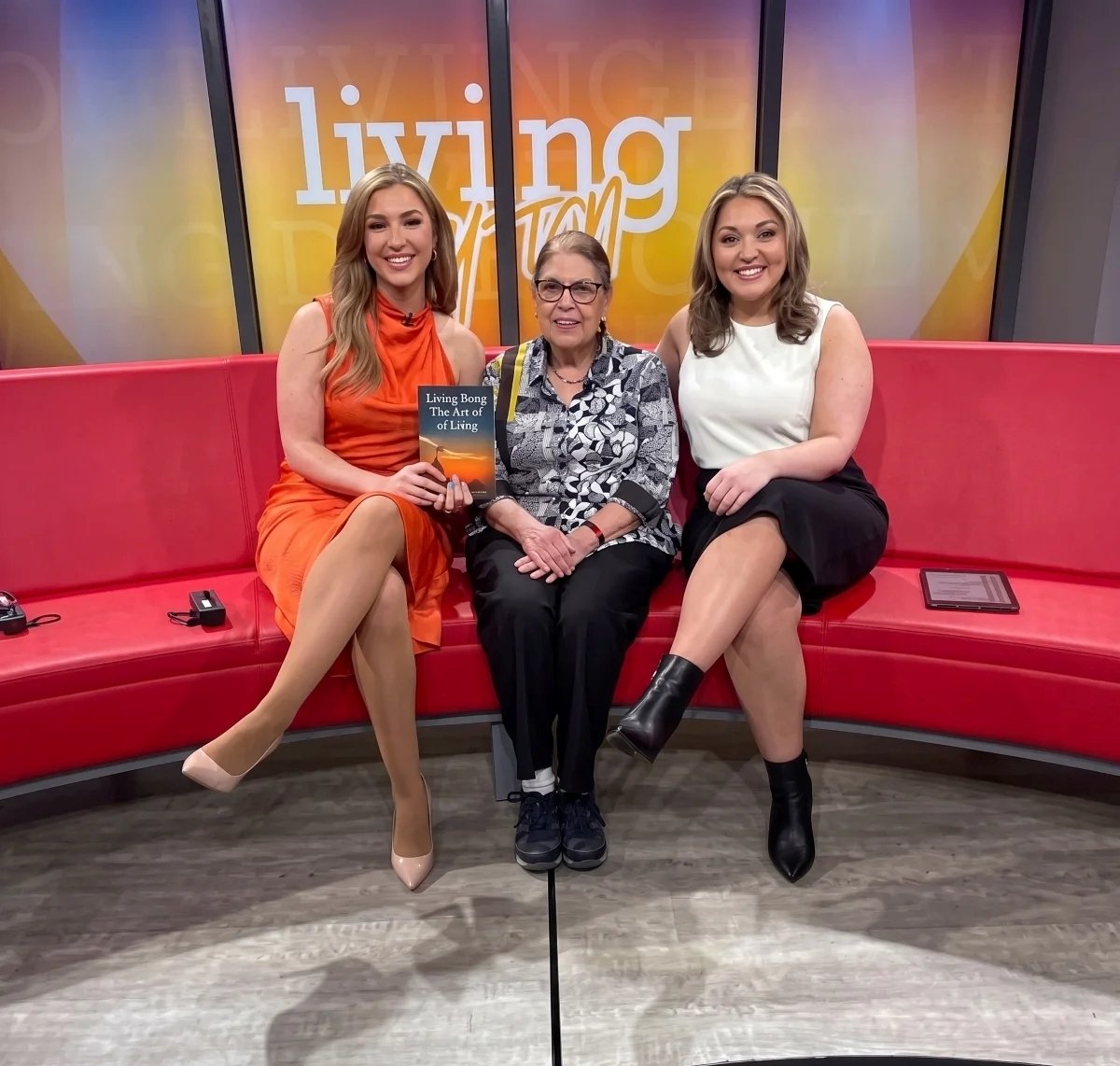
Featured on WDTN-TV’s Living Dayton
Irene Tunanidas’s story found a wider audience this year when she appeared on WDTN-TV’s Living Dayton segment. She shared her experience through a sign language interpreter, speaking openly about grief, faith, and the book that took fourteen years to finish.
For readers who appreciate spirituality discussed without performance, her appearance was exactly that. She did not speak in certainties or offer a polished recovery narrative. She spoke the way her book reads, honestly, plainly, and without pretending that the hard parts were not hard. The response from viewers reflected something her book already understands. People are not looking for someone who has it figured out. They are looking for someone who has been through it and kept going anyway. Irene is that person. And she is finally letting people know it.
For anyone who has ever needed a guide that starts where they actually are, not where they are supposed to be, Rising From the Abyss of Grief was written with them in mind.
