

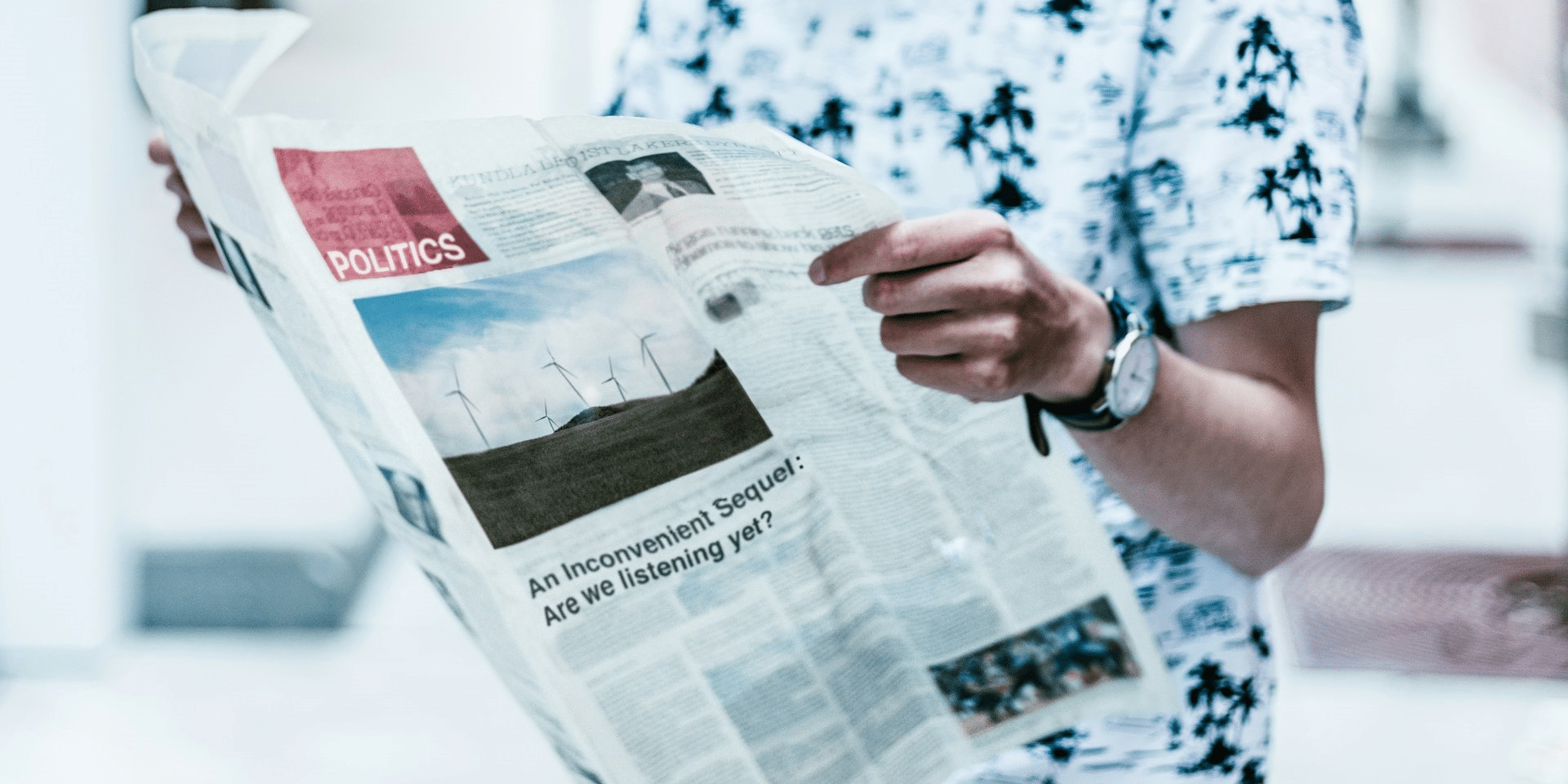





The media plays a significant role in shaping political discourse and influencing public opinion. Through various forms of communication, including television, radio, newspapers, and social media, the media has the power to inform, educate, and persuade audiences on a wide range of political issues. In this article, we’ll delve into the ways in which the media influences politics and public opinion, and the implications of this influence on society.
Informing the Public
One of the primary functions of the media is to inform the public about current events, government policies, and political developments. Through news reports, investigative journalism, and analysis, the media provides citizens with essential information that helps them understand the world around them. By reporting on political issues such as elections, legislation, and government actions, the media helps citizens stay informed and engaged in the political process.
Shaping Public Perception
The media has the power to shape public perception and influence how people perceive political issues and events. Through framing, agenda-setting, and priming, the media can emphasize certain aspects of a story while downplaying or ignoring others, shaping the way audiences interpret and understand the information presented to them. For example, the way a news story is framed can influence whether the audience views it as a positive or negative development, while agenda-setting can determine which issues receive the most attention in the media.
Setting the Political Agenda
Media coverage can also influence the political agenda by determining which issues are considered important and worthy of public attention. By highlighting certain topics and events, the media can bring them to the forefront of public discourse, shaping the priorities of policymakers and influencing public opinion on key issues. For example, media coverage of social movements, such as the civil rights movement or the environmental movement, has helped raise awareness of these issues and pressure governments to take action.
Shaping Political Narratives
The media plays a crucial role in shaping political narratives and defining the stories that dominate the political landscape. Through storytelling, editorializing, and commentary, the media can influence how political events are interpreted and understood by the public. Political narratives can shape public opinion, mobilize support for certain policies or candidates, and influence the outcome of elections.
Influencing Voter Behavior
Media coverage can also influence voter behavior by shaping perceptions of political candidates and parties. Through political advertising, candidate interviews, and news coverage, the media can influence how voters perceive candidates’ personalities, qualifications, and policy positions. Media endorsements and coverage of political scandals can also impact voter perceptions and influence electoral outcomes.
Critiquing Government Actions
The media serves as a watchdog over government actions and holds elected officials accountable for their decisions and behavior. Through investigative journalism, exposés, and editorializing, the media can uncover corruption, abuse of power, and other wrongdoing by government officials. By shining a light on government actions, the media helps ensure transparency and accountability in the political process.
Social Media’s Role
In recent years, social media has emerged as a powerful force in shaping political discourse and public opinion. Platforms like Facebook, Twitter, and Instagram allow users to share news, opinions, and information with a wide audience in real-time. Social media has democratized the dissemination of information and facilitated grassroots movements, but it has also been criticized for promoting misinformation, echo chambers, and polarization.
A Reminder to Evaluate Information
The media plays a vital role in shaping politics and public opinion. Through its power to inform, influence, and shape narratives, the media has a profound impact on how people perceive political issues, engage in the political process, and make decisions as voters. While the media serves as a crucial check on government power and provides a platform for diverse voices to be heard, it also faces challenges such as bias, sensationalism, and the spread of misinformation. As consumers of media, it is essential to critically evaluate the information presented to us and seek out diverse sources of news and information to form well-rounded opinions and make informed decisions as citizens.
