

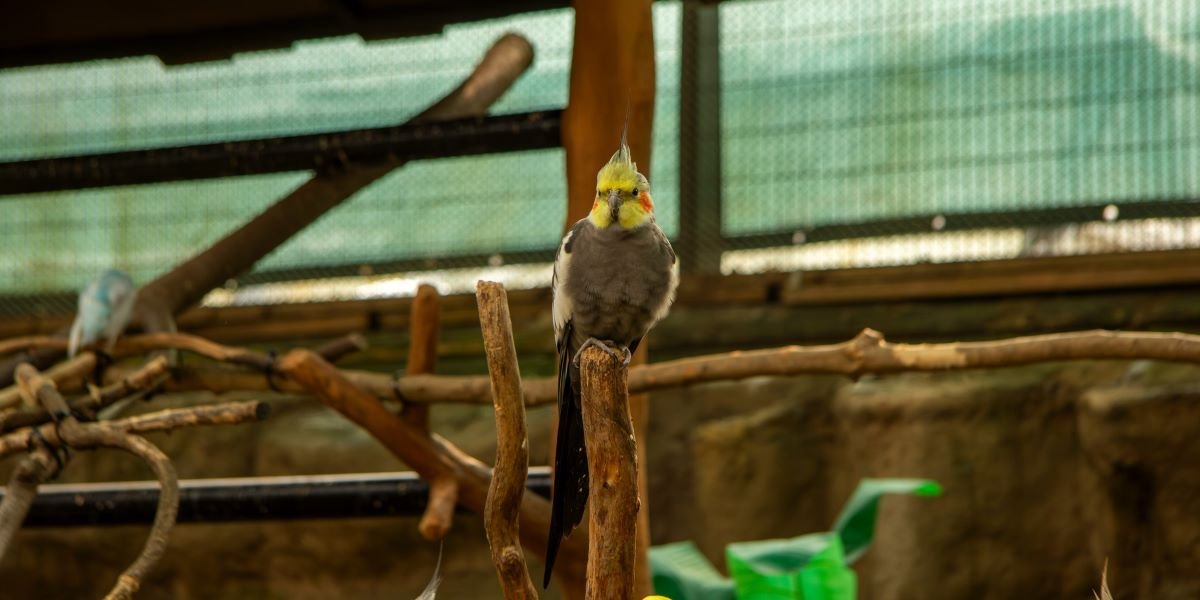






Understanding your cockatiel’s body language is key to building a stronger, more trusting relationship with your feathered friend. These lively and expressive birds use a combination of physical gestures, vocalizations, and subtle cues to communicate their emotions and needs. Learning to interpret these signs may help you provide better care and foster a deeper bond.
Recognizing Signs of Comfort and Relaxation
Cockatiels often display behaviors that suggest they feel relaxed and at ease in their surroundings. You might observe them fluffing up their feathers, gently grinding their beak, or preening themselves. A common sign of contentment is when a cockatiel stands on one leg while tucking the other into its feathers. If your cockatiel is standing on one leg and tucking the other up into their feathers, they’re likely relaxed or even ready for a nap. This posture indicates trust, as birds in the wild only assume such positions when they feel safe from potential threats.
A cockatiel may lightly bob its head or gently stretch its wings without flying away, which can indicate a relaxed state. These actions are often observed when the bird appears at ease or comfortable. Paying attention to these cues can help create a supportive and secure environment for your pet.
Understanding Stress and Discomfort in Your Cockatiel
Cockatiels may show signs of stress or discomfort through certain behaviors. For example, hissing, fanning tail feathers, or leaning forward with a raised crest can indicate fear or territoriality. These reactions might occur if the bird feels uneasy or cornered. Providing space and minimizing potential stressors can help them feel more at ease.
Excessive pacing, repeated wing flapping without attempting to fly, or frequent head shaking may also indicate anxiety or frustration. These behaviors may be tied to changes in their environment, such as new furniture near their cage or unfamiliar people. Even subtle cues, like tightly pinned feathers or rapid, shallow breathing, could indicate your cockatiel’s uneasiness. Learning to address these signs promptly can make your bird feel more secure and prevent the development of long-term stress.
If stress persists, consider evaluating their diet, cage placement, and interactions to pinpoint what might affect their mood. Consistent efforts to calm and reassure your bird may make a difference.
Strengthening Your Bond Through Observation
Interpreting body language is not just about recognizing signs of comfort or stress; it’s also a tool for strengthening your connection with your cockatiel. For example, when your bird gently nibbles on your fingers or clothes signifies affection and curiosity. Similarly, if they tilt their head to the side or watch you intently, they engage with you and try to understand your behavior.
Pay attention to their crest position as well. A slightly raised crest signals curiosity or interest, while an entirely flattened crest can indicate alarm or fear. By responding to these cues appropriately—offering a soothing tone when they’re scared or engaging playfully when they’re curious—you reinforce their trust in you.
Routine interaction, like speaking to your cockatiel softly, offering treats, or engaging in gentle play, allows you to understand their unique personality quirks and preferences. Over time, this mutual understanding will deepen your bond, turning everyday moments into opportunities for connection.
Understanding your cockatiel’s body language helps their happiness and well-being while nurturing a relationship built on trust and respect. Observing their cues and responding carefully will unlock a rewarding companionship with your feathered friend.
Published by Tom W.
