

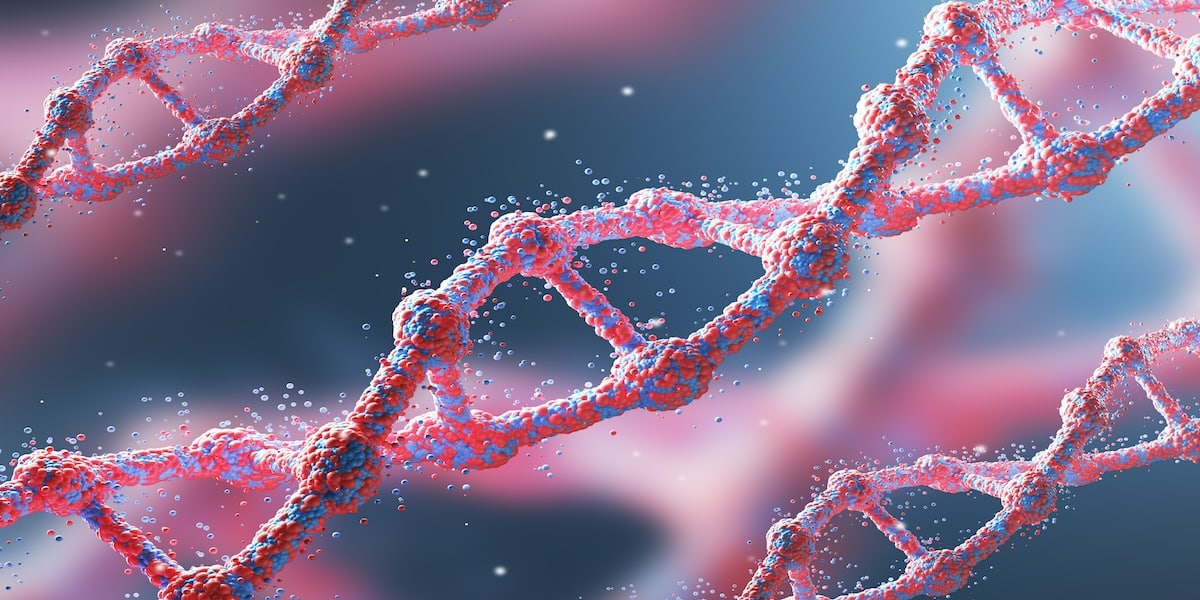






The advent of technology has brought forth a revolution in healthcare, ushering in the age of personalized medicine. This concept has evolved from a mere buzzword to a practical solution, offering hope for more effective treatments catered to individual needs. At the heart of this transformation is genomics – the study of an individual’s complete set of DNA. By understanding our unique genetic makeup, healthcare professionals can tailor medical treatments and drug regimens that align seamlessly with our bodies. Chadwick Robertson, a pharmacist with a keen interest in the intersection of technology and healthcare from Vancouver, British Columbia, has often emphasized the potential of this approach. As we venture further into the 21st century, the symbiosis between genomics and healthcare becomes more pronounced. Here, we delve deeper into the world of personalized medicine and the promising future of genomics in prescribing medications.
The Basics of Genomics in Medicine
To truly appreciate the promise of genomics, one must first understand its foundations. Genomics revolves around studying and understanding the complete set of genes in a person. Every human possesses a unique genetic code that influences various attributes, from physical appearance to susceptibility to certain diseases. When applied to medicine, this information offers insights into how an individual might respond to specific treatments, making the process more precise and effective. Modern technology facilitates rapid sequencing and analysis of this genetic information. In essence, it’s like having a user manual for individual health, providing a roadmap for optimal care, and pinpointing potential health risks early.
Potential Benefits of Genomic-Powered Personalized Medicine
- Reduced Adverse Drug Reactions: One of the significant challenges in prescribing medications is the risk of adverse drug reactions. However, by understanding an individual’s genomic data, healthcare professionals can predict potential negative reactions, ensuring that the prescribed drug is not just effective but also safe. As Chadwick Robertson has pointed out, avoiding these adverse reactions can significantly enhance the overall quality of care, reducing hospital stays and medical costs. These insights might transform the medical landscape, fostering trust and reliability in the medications prescribed.
- Optimized Medication Dosages: Not all patients require the same dosage of a particular medication. Genomic data can provide insights into how efficiently a person’s body processes a drug, allowing for more precise dosing. This not only maximizes the therapeutic benefits but also minimizes the risk of overdosage or underdosage. Tailoring dosages can also lead to reduced healthcare costs and shorter treatment durations, further emphasizing the importance of personalized medicine.
- Early Disease Detection and Prevention: Genomic data can highlight predispositions to certain diseases. With this knowledge, preventative measures can be initiated early, and tailored treatments can be designed even before the disease manifests, offering a proactive approach to healthcare. This proactive stance may drastically reduce the overall burden on healthcare systems and ensure individuals lead healthier lives.
Challenges in Implementing Genomic-Powered Personalized Medicine
While the potential is immense, the road to widespread adoption of personalized medicine is not without obstacles.
- Data Privacy Concerns: Genomic data is deeply personal. Ensuring the privacy and security of this information is paramount. As more healthcare institutions leverage genomics, maintaining patient trust by safeguarding their data will be crucial. Patients need assurance that their genetic blueprints won’t be misused, ensuring a collaborative relationship between them and their providers.
- Cost Implications: Genomic testing, especially on a large scale, can be expensive. Ensuring affordability and accessibility for all patients will be a challenge, although, as technology advances, costs are expected to reduce. As economies of scale kick in and more providers adopt these techniques, the hope is that prices will become more patient-friendly.
- Interpreting Genomic Data: The human genome is vast and intricate. While we’ve made significant strides in understanding it, there’s still much to learn. Healthcare professionals will need ongoing training and resources to accurately interpret and apply genomic data in clinical settings. As we gather more data and refine our analytical techniques, the true potential of genomics will come to the fore.
The Future of Personalized Medicine
With technology continually advancing, the realm of possibilities for genomics and personalized medicine is expanding. Chadwick Robertson has often emphasized the importance of staying at the forefront of these developments to provide the best care possible. As more research is conducted, we’ll likely see even more refined approaches to drug regimens, therapies, and preventative measures based on individual genomic data. The convergence of data science, technology, and biology is painting a promising picture for the future of healthcare, with the patient at its center. This intersection promises a more nuanced understanding of individual health, leading to better outcomes for all.
Conclusion
Personalized medicine, driven by genomics, holds the promise of a healthcare revolution. By catering treatments and drug regimens to individual needs, it offers the potential for more effective, safer, and efficient care. While challenges remain, with pioneers like Chadwick Robertson championing the cause, the future looks bright. Embracing genomics in healthcare signifies a move from a one-size-fits-all approach to a tailored, patient-centric model – a paradigm shift that could redefine modern medicine. As we navigate this promising frontier, the potential to enhance lives and revolutionize treatment modalities is palpable.
