






In a recent Instagram Reel with Dr Olivia with Dr Pompa, she shed light on the toxic chemicals lurking in conventional feminine hygiene products. These chemicals can disrupt hormonal balance, irritate delicate tissues, and contribute to long-term health issues. Understanding these dangers and making informed choices about hygiene products is crucial for maintaining overall well-being.
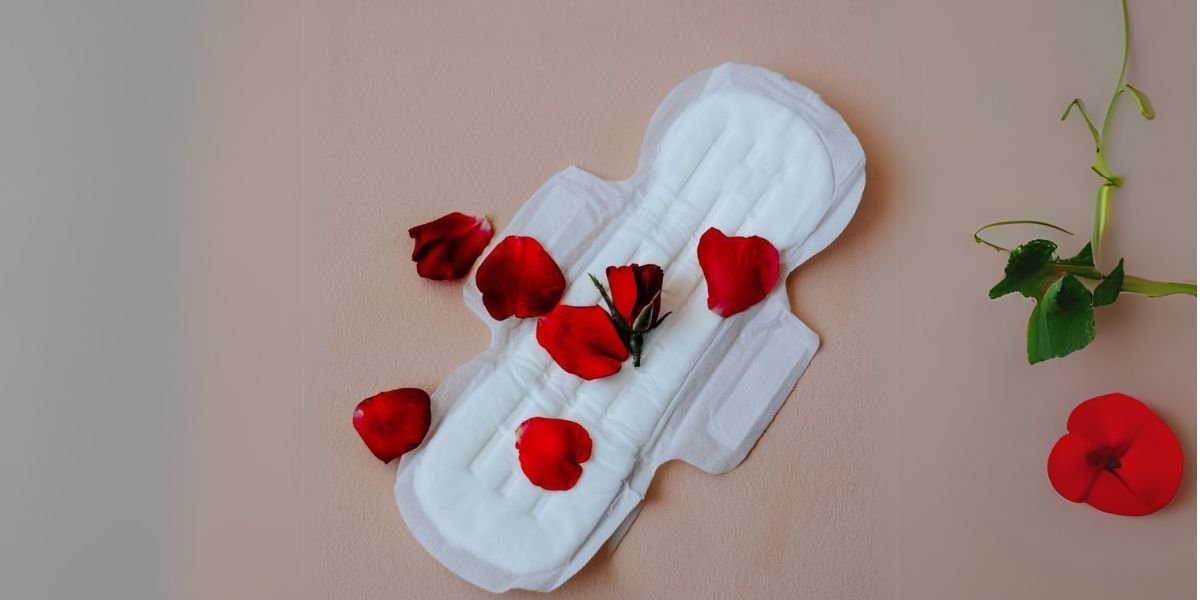
Many conventional tampons and pads are made with non-organic cotton, which is often treated with pesticides, bleached with chlorine, and infused with synthetic fragrances. These harmful substances can lead to irritation, allergic reactions, and even endocrine disruption. Some of these chemicals, such as dioxins and phthalates, have been linked to hormone imbalances and reproductive health concerns. Since the vaginal area is highly absorbent, these toxins can quickly enter the bloodstream, potentially affecting the entire body.
Dr. Olivia and Dr. Pompa emphasize the importance of choosing organic cotton hygiene products that do not contain harmful chemicals. Organic cotton tampons and pads are free from synthetic pesticides, chlorine bleaching, and artificial fragrances, making them a much safer alternative. Unlike conventional products, organic cotton options reduce the risk of exposure to toxins while still providing the necessary protection during menstruation.
One major debate regarding menstrual health is whether tampons or pads are the healthier choice. While tampons offer convenience and discretion, they can also present risks when used continuously. Tampons absorb menstrual fluid but can also dry out the vaginal canal, disrupting its natural balance. Additionally, prolonged tampon use has been associated with the risk of toxic shock syndrome (TSS), a rare but serious condition caused by bacterial toxins entering the bloodstream.
Pads, on the other hand, allow menstrual flow to exit the body naturally, preventing potential blockages and reducing the risk of bacterial growth. Many health experts, including Dr. Olivia and Dr. Pompa, advocate for using pads over tampons when possible to support the body’s natural menstrual process. However, if tampons are preferred, opting for 100% organic cotton tampons and changing them frequently can minimize health risks.
Another alternative to consider is menstrual cups, which are made from medical-grade silicone and do not contain harmful chemicals. These cups collect rather than absorb menstrual fluid, preventing the vaginal dryness often associated with tampons. While menstrual cups require proper cleaning and maintenance, they are a healthier and more eco-friendly option for many women.
Women’s health should not be compromised by exposure to harmful chemicals found in everyday hygiene products. By making the switch to organic and chemical-free menstrual products, women can reduce their toxic load, protect their reproductive health, and support their bodies’ natural rhythms. Dr. Olivia and Dr. Pompa’s insights highlight the importance of becoming aware of these issues and making conscious choices that promote long-term health and well-being. Choosing safer alternatives is a small yet powerful step toward reducing toxic exposure and embracing a healthier menstrual cycle.
To learn more about Dr. Pompa and the Pompa Program, check out the website.
Disclaimer: Dr. Daniel Pompa is an expert health coach, author, speaker, trainer, and family man on a mission to bring answers to a hurting world.
Information provided is for general purposes and not intended to provide medical advice, diagnosis, or treatment. Please seek the advice of a healthcare professional for your specific health concerns. Individual results may vary. Statements are not intended to diagnose, prevent, treat, or cure any disease.
