







By: Joshua Finley
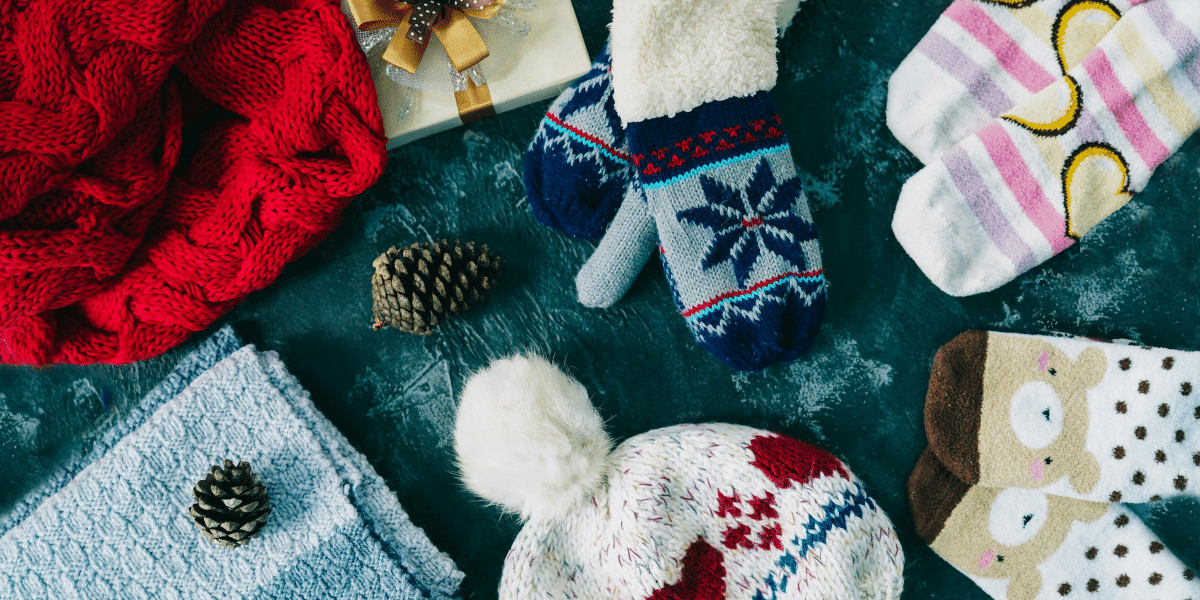
It’s officially that time of year when the temperatures start cooling down for many. Instead of keeping cool with shorts and T-shirts, people are warming up with coats, jackets, and scarves. With the change of seasons, many look to update their wardrobe to manage the varying temperatures they may experience. While shopping for that new winter look can be fun, it may also be costly and have a greater environmental impact. Instead of purchasing new items and spending hard-earned money, why not repurpose old clothes or create something yourself?
For some, shopping for new clothes provides a sense of enjoyment, which is entirely understandable. However, shopping may lead to budget stress for others, so finding a cost-effective alternative could be beneficial. It’s reported that the average household in the United States spends nearly $120 on clothes each month, totaling more than $1,400 each year. Imagine the possibilities if you had a bit of extra money set aside.
That’s why taking up a new hobby, such as quilting or crocheting, might help save money while adding a unique touch to your winter wardrobe. You may think, “I don’t know how to do either of those,” but there are numerous resources to guide you. Learning these hobbies is accessible to beginners, and once you get started, the possibilities are endless. Rather than filling your closet with new items similar to everyone else’s, you can create pieces unique to your personal style. From scarves to gloves and hats, there is no shortage of inspiration.
“Crocheting winter clothes will take some practice, especially if it’s new to you. One of the ways to succeed is to take time to follow and read instructions before starting. Choose a pattern that excites you, and then explore additional resources,” says Corey Pearson, Chief Quilt Artist and Brand Ambassador at Linda’s.
Creating clothes from scratch offers a productive, creative outlet and is often environmentally friendly. Look around your home—you may already have materials or old clothes that can be repurposed into something new. When crocheting, the supplies tend to be more affordable than an entire new wardrobe. Utilizing resources you have not only helps limit waste but also contributes to the health of the planet.
The more people buy from large retailers, the more environmental impact occurs. Practicing sustainability doesn’t have to take a lot of time; small changes, like reusing old clothes and materials, can increase recycling efforts and help protect the environment.
“Recycling and being sustainable can be easy to do at home. Reusing old scraps of clothes is a simple way to reduce waste and personalize your projects,” Pearson notes. “We all need to be more mindful of how our waste impacts the earth. Practicing these habits can make a difference. Instead of discarding materials with sentimental value, transform them into something beautiful that can last for years. Recycling offers a creative opportunity to craft unique items,” says Pearson.
Now could be the ideal time to start working on your new winter wardrobe. As temperatures drop, you might find that your closet lacks warm layers. Instead of spending money in stores, try expressing your creativity by making your own winter fashion pieces. By upcycling old clothes into something new, or through crocheting and quilting, you are helping both your budget and the environment.
The best part is that your style remains uniquely yours—making your clothes ensures that you have one-of-a-kind items! What will you create with a little imagination?
Published by: Martin De Juan
