

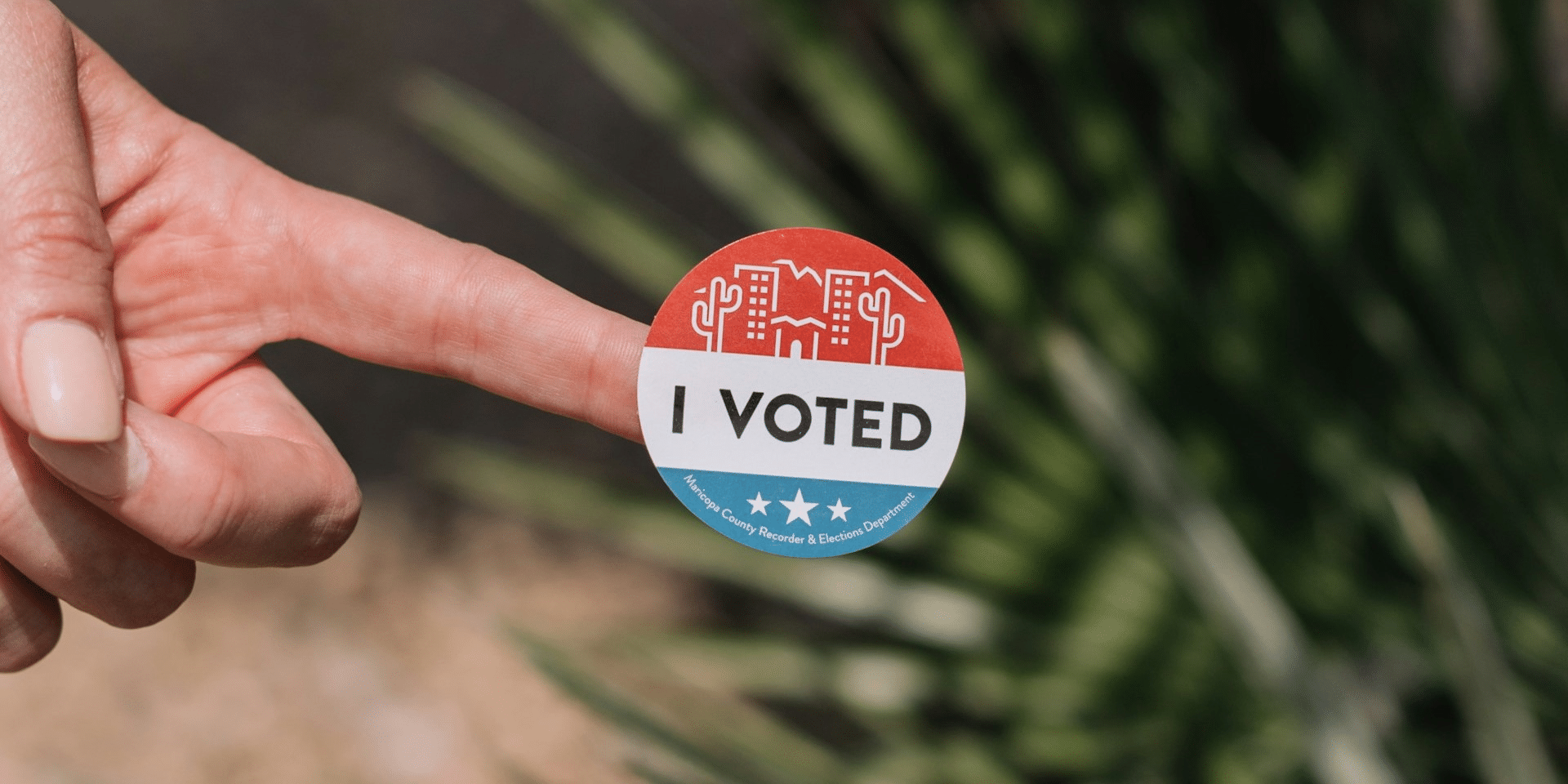






In the democratic process, the fundamental principle of “one person, one vote” underscores the importance of individual participation in shaping the course of governance. While the notion of every vote counting may seem cliché, its significance cannot be overstated. In this article, we delve into why every vote matters, exploring the profound impact of civic engagement on the fabric of society and the functioning of democracy.
Ensuring Representation and Accountability
At its core, democracy hinges on the principle of representation, wherein elected officials serve as stewards of the people’s interests and values. Every vote cast in an election is a manifestation of citizenry’s voice, signaling preferences, priorities, and concerns. When individuals abstain from voting, they relinquish their right to influence decision-making and hold elected leaders accountable for their actions. By exercising their franchise, citizens contribute to the legitimacy and integrity of the democratic process, ensuring that government remains responsive and accountable to the people it serves.
Reflecting Diverse Perspectives and Experiences
The diversity of perspectives and experiences within a society is reflected in the electoral process, where individuals from all walks of life come together to express their viewpoints and advocate for their interests. Each vote represents a unique set of beliefs, values, and lived experiences, enriching the democratic dialogue and fostering pluralism and inclusion. When marginalized or underrepresented communities participate in elections, they amplify their voices and assert their rightful place in the political landscape, challenging entrenched power structures and advocating for policies that reflect their needs and aspirations.
Promoting Social Cohesion and Unity
Voting serves as a powerful unifying force, bringing together individuals from diverse backgrounds and ideologies under a common civic purpose. In the act of casting a ballot, citizens affirm their commitment to the shared ideals of democracy, including equality, justice, and freedom. Regardless of partisan affiliations or ideological differences, the act of voting fosters a sense of belonging and solidarity, transcending divisions and fostering social cohesion. By engaging in the democratic process, citizens reaffirm their stake in the collective destiny of their nation, contributing to a sense of national identity and unity.
Influencing Policy Outcomes and Governance
Perhaps most importantly, every vote has the potential to influence policy outcomes and shape the direction of governance. In democratic societies, elected officials derive their mandate from the consent of the governed, and electoral outcomes determine the course of public policy. By participating in elections, citizens exercise their right to influence the selection of leaders and the formulation of laws and policies that impact their lives. Whether at the local, national, or international level, each vote contributes to the collective will of the electorate, shaping the contours of democracy and determining the trajectory of society.
Empowering Individuals and Communities
Beyond its impact on governance and representation, voting empowers individuals and communities to effect meaningful change in their societies. By participating in elections, citizens assert their agency and claim a stake in the decision-making process, challenging the status quo and advocating for policies that align with their values and aspirations. Moreover, voting serves as a catalyst for civic engagement and social activism, inspiring individuals to become more involved in their communities and effect positive change through collective action.
Fostering Trust and Legitimacy
In democratic societies, the legitimacy of government derives from the consent of the governed, and the electoral process plays a crucial role in fostering trust and confidence in the political system. When citizens participate in elections and see their voices reflected in government policies and actions, they develop a sense of trust and confidence in the democratic process. Conversely, when individuals feel disenfranchised or marginalized, it undermines trust in government institutions and erodes the foundation of democracy. Thus, every vote contributes not only to the outcome of elections but also to the overall health and vitality of democratic governance.
Building the Nation
The significance of every vote cannot be overstated, as it lies at the heart of democratic participation and civic engagement. By casting their ballots, citizens assert their agency, influence the direction of governance, and contribute to the vibrancy of democratic society. Whether shaping policy outcomes, promoting social cohesion, or fostering trust and legitimacy, every vote counts in building a more inclusive, equitable, and responsive democracy. As such, the value of civic engagement and electoral participation cannot be underestimated, as they form the cornerstone of democratic governance and ensure that the government remains accountable to the people it serves.
