




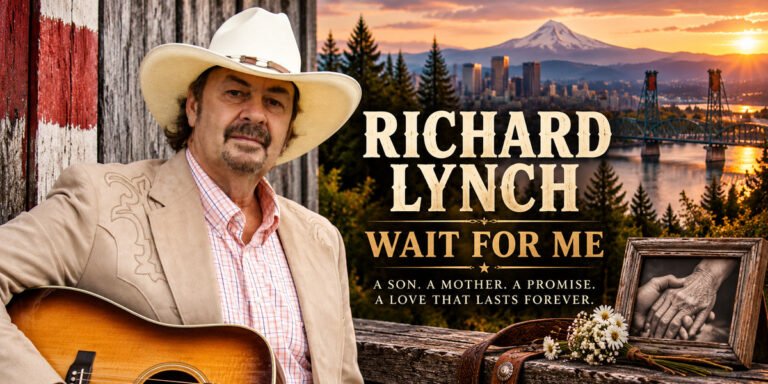



Folk music has been an integral part of cultural expression for centuries, serving as a vehicle for storytelling, tradition, and communal identity. While its roots lie in the oral traditions of various communities, its impact has transcended time and genre, profoundly shaping modern pop culture. From influencing popular music styles to leaving its mark on film, television, and festivals, folk music continues to thrive in contemporary society. This article delves into the many ways folk music has influenced modern pop culture, exploring its integration into popular genres, its role in media, its preservation through technology, and more.
Read also: Excitement Around Interactive Art Exhibits in Portland
Integration of Folk Music into Popular Genres
Folk music’s simple yet evocative melodies and its focus on storytelling have served as inspiration for countless artists across a wide range of genres.
Folk-Pop Fusion: A Modern Blend
The fusion of folk music’s acoustic elements with pop’s polished production has given rise to the folk-pop genre. Bands such as Mumford & Sons, The Lumineers, and Of Monsters and Men have brought folk-inspired sounds to mainstream audiences. These artists blend traditional folk instruments like banjos, mandolins, and acoustic guitars with modern production techniques, creating a sound that appeals to a wide audience. This fusion has made folk music more accessible, introducing younger generations to the genre’s rich traditions.
Influence on Rock Music
The folk revival of the mid-20th century, led by figures such as Pete Seeger and Woody Guthrie, had a significant influence on rock music. Artists like Bob Dylan, Joan Baez, and Simon & Garfunkel carried forward folk’s tradition of introspective lyrics and acoustic instrumentation, infusing it into the emerging rock genre. Bob Dylan’s transition from acoustic folk to electric rock at the Newport Folk Festival in 1965 is a defining moment in music history, showcasing how folk music can evolve and intersect with other genres.
Folk in Indie and Alternative Music
In addition to pop and rock, folk music has had a lasting impact on indie and alternative music scenes. Artists such as Bon Iver and Fleet Foxes draw heavily from folk traditions, using harmonies, acoustic textures, and introspective lyrics to create their signature sounds. This ongoing integration highlights the versatility and enduring appeal of folk music.
Cultural Resurgence and Media Representation
Folk music has experienced a cultural resurgence in recent years, finding new life in modern media and entertainment.
Revival in Contemporary Society
In today’s fast-paced, technology-driven world, folk music offers a sense of authenticity and connection that resonates deeply with audiences. The genre’s themes of simplicity, nature, and community provide a counterbalance to the complexities of modern life. This revival can be seen in the growing popularity of folk-centric playlists on streaming platforms, as well as the increasing number of documentaries and films celebrating folk music’s heritage.
Influence on Film and Television
Folk music’s emotional resonance and narrative depth have made it a popular choice for soundtracks in film and television. Movies such as Inside Llewyn Davis and O Brother, Where Art Thou? prominently feature folk music, introducing it to new audiences and showcasing its storytelling power. Similarly, television shows like Outlander and Game of Thrones incorporate folk-inspired music to evoke a sense of history and cultural depth.
Advertising and Branding
Folk music’s authentic and earthy sound has also made it a popular choice in advertising and branding. Companies often use folk-inspired tracks to convey messages of trust, tradition, and natural values, further embedding the genre in modern pop culture.
Evolution of Music Festivals and Live Performances
Folk music has played a pivotal role in shaping the modern music festival scene, providing a platform for both traditional and contemporary artists.
Folk Music Festivals: A Global Celebration
Dedicated folk festivals, such as the Newport Folk Festival in the United States and the Cambridge Folk Festival in the UK, continue to draw large audiences, celebrating the genre’s diversity. These events feature a mix of traditional performers and contemporary artists, highlighting the genre’s adaptability and ongoing relevance. The communal atmosphere of these festivals reflects folk music’s roots in shared cultural experiences.
Integration into Mainstream Festivals
Folk music’s influence extends beyond dedicated festivals to mainstream events like Coachella and Glastonbury. Folk-inspired artists frequently share stages with performers from other genres, showcasing the genre’s ability to complement and enrich diverse musical lineups. This cross-genre representation underscores folk music’s role as a unifying force in modern pop culture.
Storytelling and Lyricism in Contemporary Music
At the heart of folk music is its emphasis on storytelling, a tradition that has significantly shaped modern songwriting.
Narrative-Driven Lyrics
Folk music’s focus on narrative has inspired contemporary songwriters to craft lyrics that tell personal or societal stories. Artists like Taylor Swift and Ed Sheeran often draw on folk traditions in their songwriting, creating relatable and emotionally resonant music. This storytelling approach connects listeners to the artist’s experiences, fostering a deeper emotional engagement.
Social and Political Commentary
Folk music has long been a platform for addressing social and political issues, a tradition that continues in modern music. Songs addressing topics like climate change, social justice, and mental health reflect folk’s legacy as a voice for change. Artists like Hozier and Brandi Carlile carry this torch, using their music to raise awareness and inspire action.
Preservation and Innovation Through Technology
Technology has played a crucial role in preserving folk music’s legacy while enabling new interpretations and innovations.
Digital Archiving: Safeguarding Traditions
The digitization of folk music archives has made traditional songs and recordings more accessible than ever. Institutions like the Smithsonian Folkways and the British Library Sound Archive have digitized vast collections of folk music, ensuring its preservation for future generations. These archives provide a treasure trove of material for contemporary artists to explore and reinterpret.
Modern Interpretations and Experiments
Advancements in music production technology have allowed artists to experiment with folk elements in innovative ways. From electronic-infused folk tracks to genre-blending collaborations, modern interpretations of folk music push the boundaries of what the genre can be. These innovations not only attract new listeners but also ensure that folk music remains relevant in today’s rapidly changing musical landscape.
Read also: Early Anticipation of Portland’s Fashion Week
Bridging the Past and Present
The influence of folk music on modern pop culture is a testament to its enduring relevance and adaptability. By inspiring popular music genres, shaping media narratives, and fostering storytelling traditions, folk music continues to enrich the cultural landscape. Its integration into contemporary music, its representation in media, and its preservation through technology highlight its capacity to evolve while staying true to its roots.
As audiences seek authenticity and connection in an increasingly digital world, folk music offers a timeless reminder of shared humanity and cultural heritage. Whether through the heartfelt lyrics of a protest song, the communal joy of a folk festival, or the innovative fusion of genres, folk music remains a vital and dynamic force in modern pop culture, bridging the gap between tradition and innovation.
