






Image Commercially Licensed from: Unsplash
In the ever-evolving landscape of printing technologies, Direct to Film (DTF) printing has emerged as a stalwart method, offering precise and vibrant outcomes.
As industries continue to explore avenues for innovation and efficiency, the integration of DTF printing with emerging technologies stands poised to redefine the future of this already sophisticated process.
This article undertakes a comprehensive exploration of the symbiotic relationship between DTF printing and cutting-edge technologies, dissecting the current state of DTF printing and delving into the potential impact of augmenting it with advancements such as augmented reality, 3D printing, and artificial intelligence.
Current State of DTF Printing
The present state of Direct to Film (DTF) printing is characterized by a well-established technology that has garnered recognition for its precision and versatility in the realm of printing.
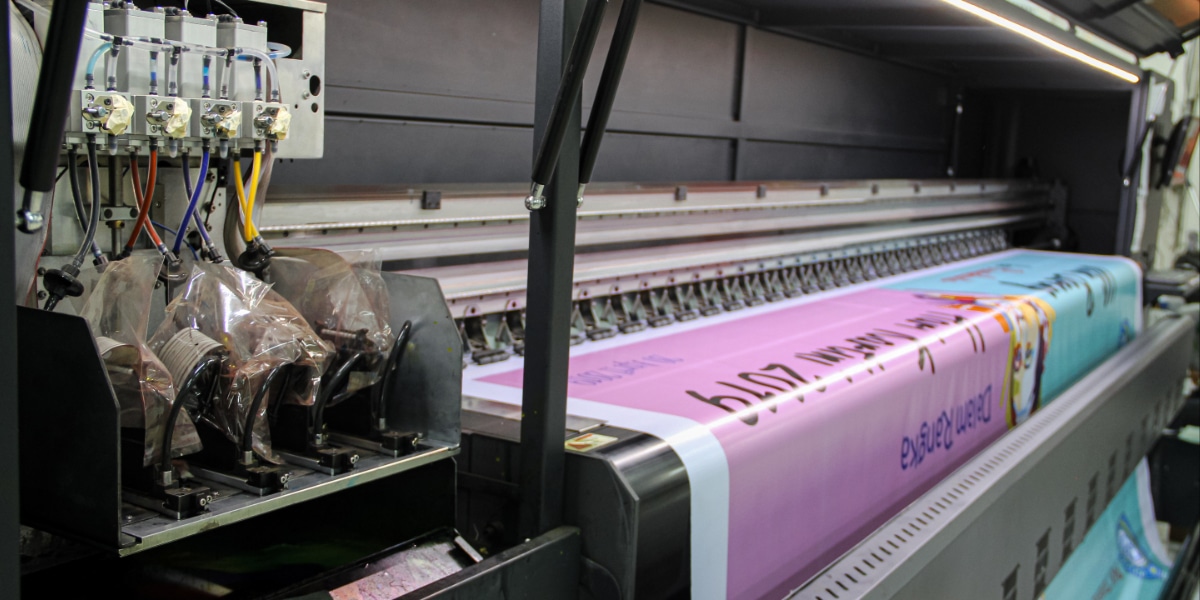
DTF printing involves the direct application of ultraviolet-cured inks onto a film substrate, eliminating the need for intermediary steps in traditional printing processes. This method has demonstrated its efficacy in producing prints with exceptional clarity, vibrant color reproduction, and intricate detailing.
The current landscape witnesses the widespread adoption of DTF printing across various industries, driven by its ability to meet the demands of high-quality visual representation.
Businesses and printing professionals favor DTF technology for its efficiency, particularly in comparison to traditional methods requiring plates or screens.
Moreover, the immediate curing of UV inks upon exposure to ultraviolet light contributes to a streamlined production process, enhancing overall efficiency. In addition to DTF printers, UV DTF printers have also become popular among small and medium-sized enterprises in recent years. Learn more about how DTFLINKO is contributing to the future of print experiences in commercial design.
DTF printing has found applications in diverse sectors, including packaging, promotional items, and large-format prints. Its adaptability to different substrates and materials positions it as a versatile solution for brands seeking superior visual outcomes.
Integration with Augmented Reality (AR)
The integration of Direct to Film (DTF) printing with Augmented Reality (AR) represents a strategic convergence of technologies aimed at enhancing the interactive and immersive aspects of visual communication perceived and interacted with.
By merging DTF printing with AR, the printed output transforms into a dynamic and engaging medium. Viewers can experience an additional layer of information, animation, or contextual content when observing DTF-printed materials through AR-enabled devices.
Furthermore, the integration with AR extends beyond visual aesthetics. DTF-printed materials equipped with AR functionality can serve as conduits for interactive experiences, bridging the gap between traditional print and digital interactivity. This advancement has particular significance in marketing and branding, where engaging consumers through multi-sensory experiences has become increasingly imperative.
3D Printing and DTF: Convergence of Technologies
The combination of 3D printing and Direct to Film (DTF) printing is a game-changer for the printing industry. These technologies work together to customize prints and create realistic textures.
With 3D printing and DTF printing working in sync, we can now communicate visually in a whole new way. Adding 3D printing to DTF processes improves the look and feel of printed materials. This combination allows for detailed textures, relief effects, and three-dimensional elements that go beyond traditional flat printing. As a result, people can have a more immersive and tactile experience when interacting with DTF-printed materials.
Not only that, but the collaboration between 3D printing and DTF technology also benefits prototyping and rapid product development. This integration makes it easier to create tangible prototypes with intricate textures. Industries like product design, manufacturing, and packaging find this tool extremely valuable.
Future Outlook and Predictions
The future outlook for Direct to Film (DTF) printing is marked by a trajectory of continuous innovation and technological advancement. As the printing industry evolves, several trends and predictions shape the landscape of DTF technology.
In summary, the future of DTF printing is marked by advancement, collaboration with emerging technologies, sustainability, and increased accessibility. These trends position DTF printing as a dynamic and essential part of the evolving printing industry. Visit the website: https://www.dtflinko.com/ to see the latest news on DTF printing.
Published by: Martin De Juan
