



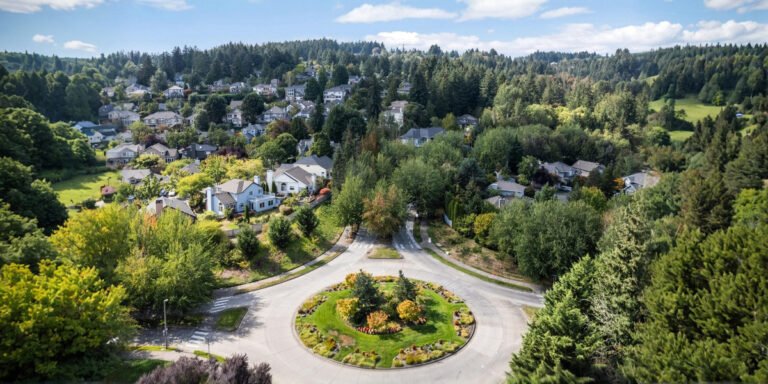
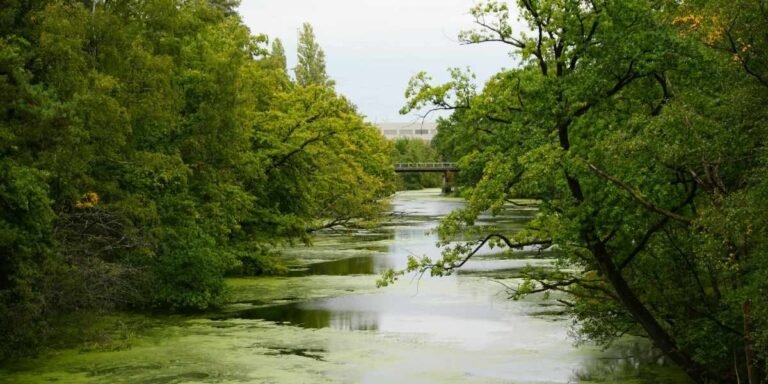


Salem, Oregon, has been officially recognized as the Tree City of the Year for 2026, receiving this honor from the Oregon Department of Forestry for its exceptional urban forestry initiatives. This designation highlights the city’s ongoing commitment to sustainable development, environmental stewardship, and the enhancement of urban green spaces. The award emphasizes Salem’s leadership in increasing tree canopy coverage, integrating green infrastructure into city planning, and its active community involvement in preserving and expanding its urban forest.
The Tree City of the Year recognition is part of the Oregon Department of Forestry’s efforts to encourage cities across the state to take proactive measures in urban sustainability and climate resilience. Salem’s focus on expanding its tree canopy, fostering biodiversity, and improving the overall quality of life for residents through green initiatives has made it a model for other cities across Oregon and the Pacific Northwest.
Salem’s Urban Forestry Achievements
Salem’s urban forestry program has been instrumental in the city’s progress toward enhancing its green infrastructure. A key achievement of this initiative is the significant expansion of the city’s tree canopy, which now covers approximately 28% of the city. This achievement is vital in combating the urban heat island effect, a common issue faced by cities worldwide, where urban areas experience higher temperatures than surrounding rural areas due to extensive pavement and limited greenery.
In addition to canopy coverage, Salem has prioritized the use of native tree species, which offer various ecological benefits. Native trees provide important habitat for local wildlife and contribute to maintaining biodiversity within the urban environment. They are also more resilient to local pests and diseases, which helps reduce the city’s reliance on pesticides and other harmful chemicals.
The city’s urban forestry program also addresses critical environmental concerns such as air quality and stormwater runoff. By increasing the number of trees planted in neighborhoods, parks, and public spaces, Salem has improved the overall air quality by capturing carbon dioxide and other pollutants. The city’s green infrastructure strategy also helps manage stormwater, reducing runoff and minimizing flooding risks, which are common problems in urban areas with insufficient green spaces.
Salem’s program is managed by a team of trained arborists and forestry professionals, ensuring the long-term health of the trees planted throughout the city. With a comprehensive approach to urban forestry, Salem continues to enhance its urban landscape while mitigating environmental issues that affect residents.
Community Engagement Drives Success
Salem’s urban forestry success is not only due to technical expertise and planning but also to its robust community engagement initiatives. The city has made it a priority to involve local residents in the process of tree planting and environmental education. Through numerous partnerships with local nonprofits, schools, and environmental organizations, Salem has been able to expand its urban forest while educating the public on the importance of trees and their role in a healthy ecosystem.
Volunteer tree planting events have been a staple of the city’s efforts, with residents actively participating in the growth of their community’s green spaces. These initiatives have not only contributed to the physical expansion of the urban forest but have also fostered a sense of environmental responsibility among residents. Educational campaigns, targeting schools and community centers, emphasize the benefits of urban forestry, such as improved air quality, reduced energy costs, and increased property values.
In addition to volunteer events, Salem has launched several outreach programs to educate children and adults about the importance of sustainability and the city’s urban forestry efforts. These programs have helped create a strong culture of environmental stewardship in Salem, with residents becoming more actively involved in protecting and maintaining the urban forest.
Salem’s focus on community engagement has made its urban forestry program one of the most successful in the state, demonstrating that public participation is key to long-term sustainability and the success of green initiatives.
Economic and Environmental Impact of Salem’s Efforts
Salem’s commitment to urban forestry has produced significant economic and environmental benefits, both for residents and for the city as a whole. The expansion of the city’s tree canopy has directly contributed to reduced energy costs, with trees providing shade to buildings, reducing the need for air conditioning in the summer months. This not only lowers energy bills for residents but also helps to reduce the overall carbon footprint of the city.
In addition to energy savings, the increased green space in Salem has had a positive impact on local property values. Studies consistently show that properties located near parks and green spaces tend to have higher market values than those in areas without such amenities. This increase in property values contributes to the overall economic vitality of Salem and helps to make the city a more attractive place to live and work.
On the environmental side, Salem’s expanded tree canopy has played a crucial role in carbon sequestration. Trees capture and store carbon dioxide, a key contributor to climate change, helping to mitigate the city’s impact on the environment. Furthermore, the trees planted throughout the city provide essential habitat for local wildlife, including birds, insects, and other species that rely on urban green spaces for shelter and food.
The environmental and economic benefits of Salem’s urban forestry program demonstrate that investing in green infrastructure can have far-reaching positive effects, improving both the quality of life for residents and the overall health of the urban ecosystem.
Statewide Influence of Salem’s Recognition
The selection of Salem as Tree City of the Year is part of Oregon’s broader strategy to promote sustainability and climate resilience across its cities. By recognizing the achievements of cities like Salem, the state hopes to inspire other municipalities to adopt similar green initiatives and make urban forestry a priority in their own communities.
Salem’s recognition as Tree City of the Year sends a strong message to other cities in Oregon and beyond about the importance of green spaces and urban forestry in combating climate change and promoting sustainable growth. With cities facing increasing challenges related to urban heat, air pollution, and stormwater management, the role of urban forests in mitigating these issues cannot be overstated. By showcasing Salem’s success, the state is encouraging other communities to follow suit and take meaningful action toward creating more sustainable urban environments.
Salem’s success also underscores the growing importance of community involvement in environmental initiatives. As cities across Oregon and the Pacific Northwest work to address climate change and build more resilient urban environments, Salem’s model of community-driven urban forestry offers valuable lessons in how to engage residents and stakeholders in the process of sustainability.
