






By: Michael Lawson
Modern exploration is no longer confined to physical frontiers; it now extends into the realms of science, conservation, and cultural preservation. Richard Wiese, president of The Explorers Club, has been at the forefront of redefining what it means to be an explorer. Under his leadership, exploration has transformed into a platform for technological advancement, sustainability efforts, and global collaboration, ensuring that discovery serves a greater purpose.
Wiese’s connection to exploration was established at an early age. His father, Richard Wiese Sr., made history as the first person to fly solo across the Pacific Ocean, instilling in him a deep appreciation for adventure and knowledge. At just 11 years old, Wiese climbed Mount Kilimanjaro, a feat that set the stage for a lifelong journey of discovery. However, rather than focusing on personal achievements, he has dedicated his career to championing exploration as a force for scientific progress and social change.
One of Wiese’s most impactful initiatives is the Explorers Club 50 (EC50), a program designed to recognize and support individuals making groundbreaking contributions to their fields. “The world doesn’t just need more explorers; it needs more recognized explorers,” Wiese states. EC50 has spotlighted conservationists, scientists, and indigenous leaders whose work reshapes our understanding of our planet.
Through EC50 and other programs, Wiese has actively worked to expand the definition of exploration. Traditionally, exploration was seen as the domain of adventurers and mountaineers, but today it includes climatologists studying ice cores, marine biologists uncovering new species, and even archaeologists decoding ancient civilizations. Wiese’s vision has ensured that those making a real impact receive the recognition they deserve.
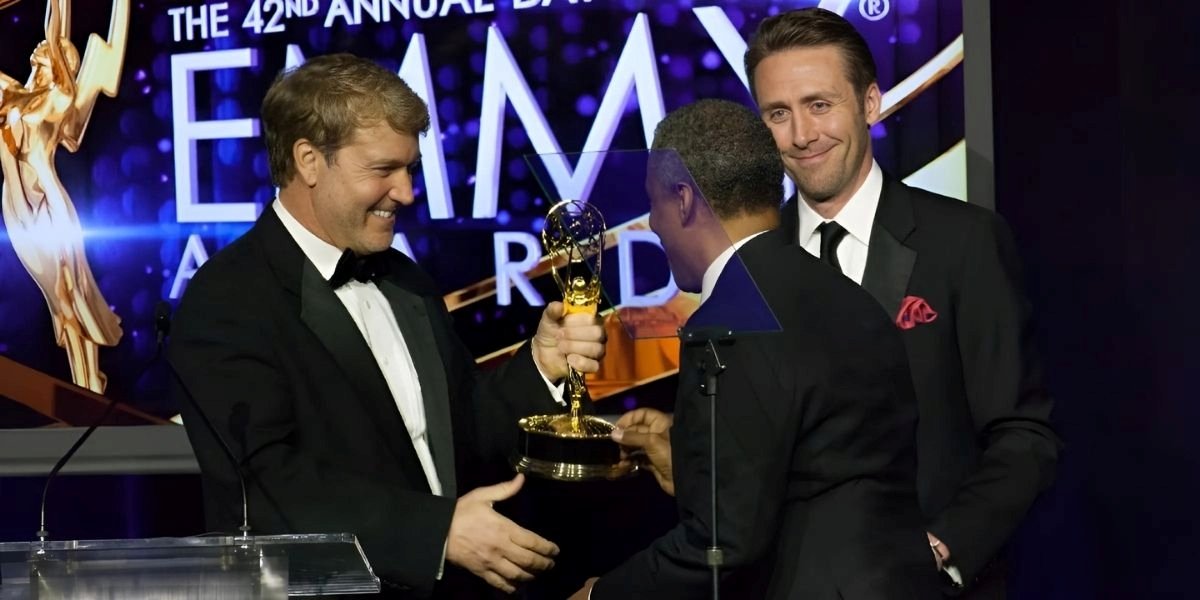
In addition to institutional leadership, Wiese has made exploration more accessible through media. His Emmy-winning television series Born to Explore has taken audiences worldwide, educating viewers on cultural traditions, environmental challenges, and scientific breakthroughs. “If we want exploration to be relevant, we must engage people in ways that inspire curiosity,” Wiese explains. His ability to merge storytelling with real-world discovery has helped reshape public perceptions of being an explorer.
The impact of Wiese’s work is evident in those he has helped elevate. “Being named an EC50 honoree truly turned my world upside down in the best way,” says Dr. Britney Schmidt, a polar explorer. “Before that, I was more of a silent member of The Explorers Club, but this recognition connected me with an incredible community of like-minded explorers who see the world in unique ways.”
Wiese also understands that collaboration is essential for meaningful exploration. He has forged partnerships between explorers, researchers, and global organizations to ensure that projects focused on sustainability and discovery receive the needed support. “No one explores alone,” he emphasizes. “The greatest discoveries happen when people from different backgrounds come together to share knowledge.” Through these efforts, Wiese has helped secure funding and resources for groundbreaking climate science, archaeology, and wildlife conservation research.
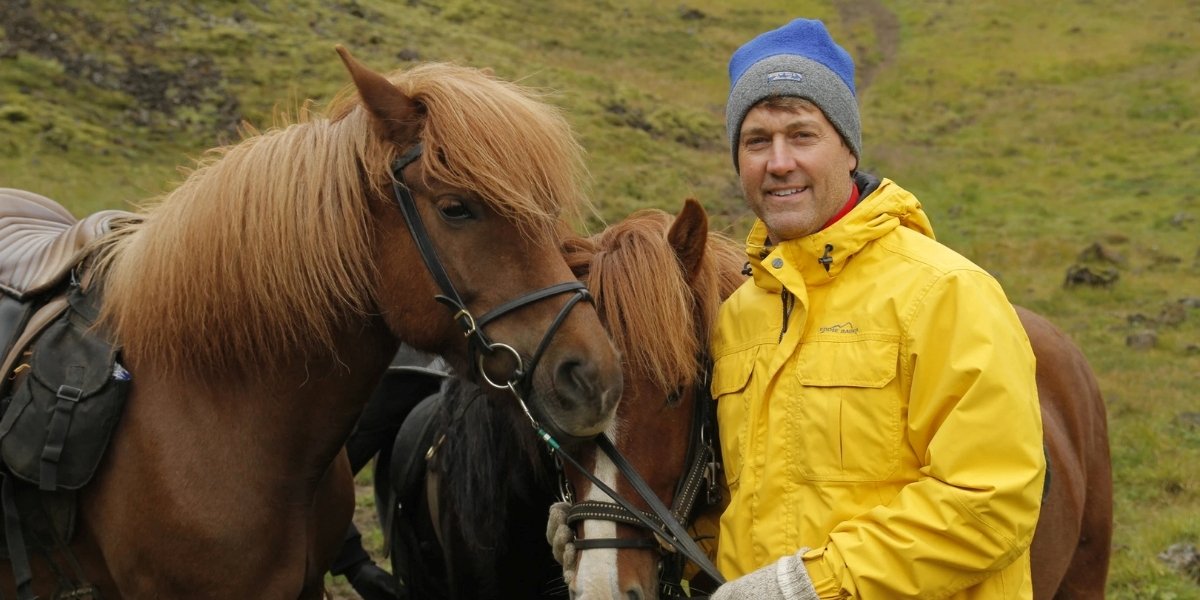
Photo Courtesy: Richard Wiese
Looking forward, Wiese sees exploration as a key player in solving some of the world’s most pressing challenges. From addressing climate change to preserving cultural heritage, he believes that exploration must evolve into a solution-driven field. “Exploration isn’t just about seeking the unknown,” he says. “It’s about applying what we learn to make a lasting impact.”
Through his leadership, Richard Wiese ensures that exploration continues to be a powerful tool for innovation, knowledge, and progress. By fostering collaboration, increasing inclusivity, and highlighting the critical role of discovery in shaping our world, he is making exploration more relevant than ever before. Whether through his work at The Explorers Club, his media presence, or his advocacy for science and conservation, Wiese continues to push the boundaries of exploration, proving that discovery is not just about adventure but about making a difference.
Published by Stephanie M.
