




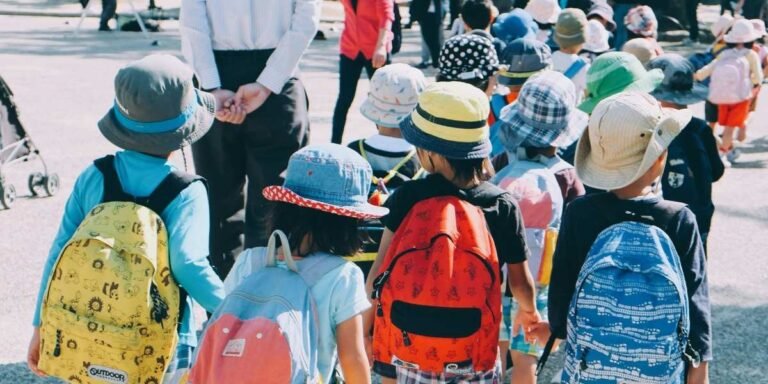



The classic image of a zoo – rows of cages, pacing animals, and bored children – might be fading into the past. Today’s zoos are undergoing a transformation, moving away from mere animal exhibits and embracing a more holistic approach to conservation, education, and animal welfare. So, are zoos still a popular venue for children? The answer depends on the zoo itself and its commitment to creating a meaning and engaging experience.
From Captivity to Conservation: The Evolving Role of Zoos
The traditional model of zoos focused on displaying exotic animals, often in cramped enclosures that prioritized entertainment over animal well-being. Thankfully, this approach is shifting. Modern zoos are increasingly prioritizing conservation efforts. Imagine a zoo that actively participates in breeding programs for endangered species, or one that donates funds to wildlife rehabilitation projects around the world. These zoos are going beyond entertainment and playing a crucial role in protecting animal populations.
This conservation focus also translates into a more enriching experience for children. Zoos can incorporate interactive exhibits that educate young visitors about the importance of habitat preservation and the threats faced by various animal species. Imagine a child learning about the plight of endangered pandas through a captivating exhibit that showcases their natural habitat and the challenges they face in the wild. This kind of interactive, educational approach fosters a sense of connection and responsibility for the natural world in young minds.
Animal Encounters and Interactive Activities: Engaging Young Minds
Let’s face it, kids crave engagement. Modern zoos understand this and are incorporating interactive activities and animal encounters that go beyond simply observing animals behind bars. Imagine a zoo offering educational talks led by passionate animal care professionals, or interactive feeding demonstrations where children can learn about animal diets and behaviors. These experiences spark curiosity, create lasting memories, and make learning about animals fun and exciting.
Technology is also playing a significant role in enhancing the zoo experience for children. Imagine a zoo with augmented reality (AR) exhibits that bring animal facts and habitats to life on a smartphone screen. Or, think of interactive touchscreens that provide detailed information about different species and their conservation needs. These tech-driven elements add a layer of engagement and cater to the way modern children learn and interact with the world around them.
The Future of Zoos: A Balance Between Entertainment and Education
Zoos still have the potential to be a popular venue for children, but the key lies in striking a balance between entertainment and education. Here are some factors to consider:
- Immersive Encounters: Move away from traditional cages and create immersive exhibits that replicate natural habitats. Imagine a walkthrough aviary where children can feel like they’ve stepped into a rainforest canopy, complete with sights, sounds, and even the humidity of a tropical jungle. Or, picture a polar bear enclosure with underwater viewing areas where children can observe these magnificent creatures swimming and playing. These immersive experiences not only foster a sense of connection with the animals but also allow children to learn about the delicate balance of ecosystems and the importance of habitat preservation.
- Focus on Animal Welfare: Prioritize animal well-being in all aspects of the zoo. Spacious enclosures with natural elements like climbing structures, pools, and hiding spots are crucial. Enrichment programs that stimulate animal behavior, such as providing foraging opportunities or introducing novel objects, are essential for mental and physical well-being. And a commitment to top-notch veterinary care ensures that animals receive the treatment they need to thrive. When children see animals in healthy environments exhibiting natural behaviors, it reinforces the message of conservation and responsible animal care.
- Community Engagement: Zoos can become hubs for community events and educational programs. Imagine hosting family-friendly workshops on animal conservation, where children can learn about specific species, the challenges they face, and how they can help. Or, collaborate with local schools to offer interactive learning experiences that tie in with classroom curriculum. By engaging the community, zoos can create a sense of ownership and responsibility for the natural world. This can inspire young people to become advocates for wildlife conservation and take action to protect threatened species.
The future of zoos is bright. By embracing conservation efforts, fostering interactive learning experiences, and prioritizing animal welfare, zoos can continue to be a place of wonder and inspiration for children. So, the next time you’re looking for an educational and engaging activity for your kids, consider visiting a modern zoo. Who knows, it might just spark a lifelong passion for wildlife conservation in a young mind.
