





Portland is facing a growing challenge as more RVs and cars are parked long-term on city streets. What began as a temporary solution for individuals experiencing homelessness has evolved into a complex issue involving public safety, housing insecurity, and urban infrastructure. City officials are now rolling out a multi-pronged plan to address the surge in RVs while balancing compassion with enforcement.
The rise in RVs reflects deeper systemic pressures, including the city’s housing crisis, economic instability, and limited shelter availability. For many residents, living in a vehicle is the last option before complete displacement. Portland’s response aims to provide alternatives while maintaining livability for all neighborhoods.
Understanding the Surge in RVs Across Portland
Over the past two years, Portland has seen a noticeable increase in RVs parked along residential streets, industrial zones, and near freeway exits. These vehicles range from older motorhomes to converted vans and trailers, often occupied by individuals or families who have been priced out of traditional housing.
The city’s Department of Transportation estimates that hundreds of RVs are parked long-term across Portland, with concentrations in East Portland, the Central Eastside, and parts of North Portland. While some vehicles are mobile and occupied intermittently, others are stationary and used as permanent shelter.
This trend is closely tied to the broader homelessness and housing crisis in Portland, which has left thousands without stable housing. Rising rents, limited affordable units, and long shelter waitlists have pushed many to seek refuge in RVs.
City Response: A Multi-Layered Strategy
Portland’s plan to address the rise in RVs includes a combination of outreach, enforcement, and infrastructure investment. Officials emphasize that the goal is not to criminalize poverty but to manage public space responsibly and offer pathways to stability.
One key initiative is the expansion of Safe Park programs, which designate specific lots where individuals living in RVs can park legally and access sanitation, case management, and social services. These sites are designed to reduce neighborhood tensions while connecting residents to housing resources.
The city is also increasing funding for mobile outreach teams that engage with RV occupants, offering support and information about available services. These teams include social workers, housing navigators, and behavioral health specialists.
In areas where RVs pose safety or environmental risks, such as blocking emergency access or leaking waste, Portland has begun targeted enforcement. This includes towing abandoned vehicles and issuing citations for violations. Officials stress that enforcement is a last resort, used only after outreach efforts have been exhausted.
Examples of Implementation and Community Impact
In Southeast Portland, a pilot Safe Park site near Powell Boulevard has served over 60 individuals since its launch. Participants receive access to restrooms, trash disposal, and weekly check-ins with case managers. Several have transitioned into transitional housing or received rental assistance.
In North Portland, a coordinated cleanup effort removed 15 abandoned RVs from a commercial corridor, improving pedestrian access and reducing fire hazards. The operation was preceded by two weeks of outreach and relocation support for occupants.
Neighborhood associations have played a role in shaping the city’s response. In the Lents neighborhood, residents collaborated with city staff to identify high-impact zones and suggest alternative parking solutions. Their input helped refine enforcement protocols and improve communication between stakeholders.
Economic and Environmental Considerations
The economic cost of managing RVs on city streets is significant. Portland allocates millions annually for vehicle removal, sanitation, and outreach. These expenses are part of the broader financial strain caused by increased homelessness, as outlined in this analysis of Portland’s economic cost of homelessness.
Environmental concerns also factor into the city’s strategy. Improper waste disposal from RVs can contaminate soil and waterways, especially in industrial zones and near parks. Portland’s Bureau of Environmental Services is working with transportation officials to monitor and mitigate these risks.
To address long-term sustainability, the city is exploring partnerships with nonprofits and private landowners to expand Safe Park capacity and develop transitional housing options. These efforts aim to reduce reliance on RVs as permanent shelter.
Legal and Policy Frameworks
Portland’s approach to RVs is shaped by legal constraints, including state laws on vehicle habitation and federal guidelines on homelessness response. The city must balance enforcement with constitutional protections, such as the right to due process and protection from unreasonable searches.
Recent court rulings have influenced policy, including decisions that limit the ability to tow occupied vehicles without notice. Portland has adjusted its protocols to ensure compliance, including extended warning periods and access to appeal processes.
Policy advocates continue to push for clearer guidelines and more consistent enforcement. They argue that ambiguity in city code can lead to confusion and uneven treatment. City Council is expected to review proposed updates to parking ordinances later this year.
Public Opinion and Political Debate
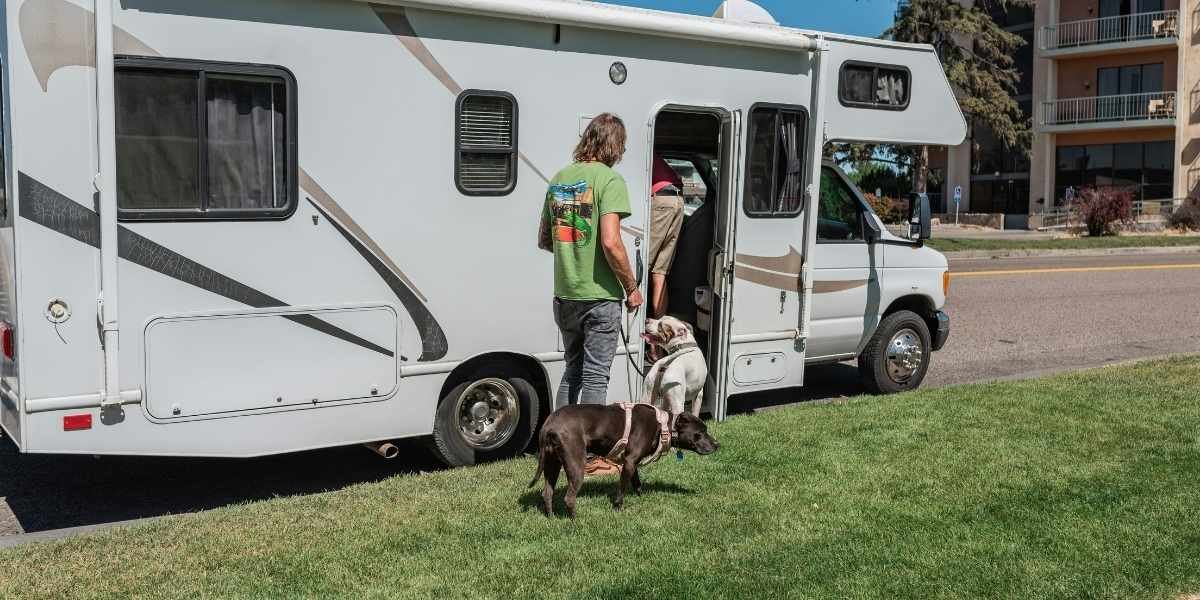
Photo Credit: Unsplash.com
The rise in RVs has sparked debate among Portland residents. Some view the vehicles as symbols of resilience and resourcefulness, while others see them as signs of urban decline. Public opinion varies by neighborhood, with concerns ranging from safety to aesthetics.
Local politicians have weighed in, with some calling for stricter enforcement and others advocating for expanded services. The issue has become a flashpoint in city council meetings and community forums, reflecting broader tensions around housing, equity, and public space.
Advocates for RV residents emphasize the need for empathy and systemic solutions. They point to the lack of affordable housing and the barriers many face in accessing shelter. Their message is clear: RVs are not the problem, they’re a symptom of deeper challenges.
Looking Ahead: A Balanced Path Forward
Portland’s plan to address rising RVs on city streets is still evolving. Officials acknowledge that there is no one-size-fits-all solution. Success will depend on collaboration, transparency, and sustained investment in housing and services.
The city is committed to expanding Safe Park programs, refining enforcement protocols, and engaging with communities to find workable solutions. As Portland navigates this complex issue, the focus remains on balancing compassion with accountability.
Ultimately, the presence of RVs on city streets reflects a city in transition, grappling with economic pressures, housing shortages, and shifting norms. Portland’s response will shape not only its streetscape but its values, as it strives to be a city that protects both public space and human dignity.
