






By: Jay Kt
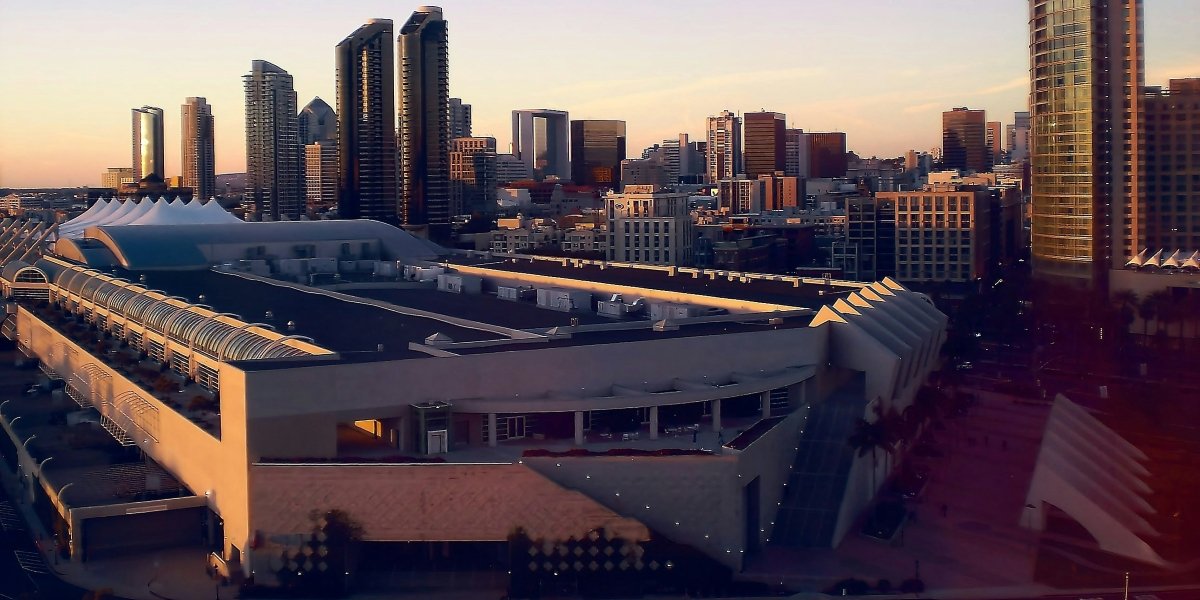
Last October, about forty minutes into the opening keynote of a regional healthcare IT conference at the Oregon Convention Center, the presenter’s slides stopped loading. Registration kiosks at the east lobby froze. Exhibitors on the show floor watched their point-of-sale tablets spin indefinitely. The building’s shared WiFi, already stretched across three concurrent events, had given out.
It wasn’t a fluke. Staff rebooted routers, switched channels, and even walked guests to a corner of the hall that had a slightly better signal. Nothing held. By the time connectivity recovered, nearly two hours had passed, and the afternoon panel had to be reshuffled.
“That’s not unusual at big convention centers,” said Dana Kowalski, senior events coordinator at Pacific Northwest Conference Services, a Portland-based event production firm. “You’re fighting every other group in the building for the same pipe. If you don’t bring your own network, you’re gambling.”
It’s a problem that’s grown sharper as Portland’s event calendar has filled back up. Tom McCall Waterfront Park draws tens of thousands to summer festivals. The Portland Expo Center books back-to-back trade weekends from spring through fall. Moda Center and Providence Park host concerts, graduations, and corporate functions layered on top of their sports calendars. Every one of those events puts more devices (phones, laptops, payment terminals, livestream cameras) onto networks that weren’t always built for the load.
Why Venue WiFi Breaks at Scale
Convention center and arena WiFi is designed around an average load assumption. Bring in 2,000 attendees who are all simultaneously trying to post to social media, check email, and connect to cloud-based demo software, and that assumption collapses fast.
The problem compounds in outdoor settings. A festival on the waterfront or an expo tent at the Portland Expo Center has no fixed cable runs. Cellular signal quality depends on what the nearest tower can handle, and at a sold-out event, the tower is already overloaded by the crowd’s personal devices before any production infrastructure tries to get on.
Event organizers used to accept this as a cost of doing business. That’s changed. Hybrid attendance, live-streamed keynotes, contactless payment, and real-time audience engagement apps have made reliable event internet less of a luxury and more of a basic operational requirement.
Bonded Cellular and Satellite Fill the Gap
The technical answer most Portland event producers now rely on is a bonded cellular setup: multiple carrier SIM cards combined into a single high-capacity uplink, with failover to satellite or 5G when any one carrier signal drops. The result is a network that doesn’t depend on the venue’s infrastructure at all. It rides on several independent connections simultaneously, and if one falters, the others pick up the slack without a visible interruption.
WAN smoothing and uplink prioritization layer on top of that, making sure latency-sensitive traffic (video feeds, VoIP, registration systems) gets bandwidth first, while lower-priority background traffic waits.
The setup travels in road cases, deploys in hours, and leaves with the crew when the event ends. No permanent installation, no venue coordination beyond getting the equipment on the floor.
For Portland-area organizers, event WiFi rental in Portland has become a standard line item alongside staging and AV, not an emergency afterthought.
Engineers on the Floor, Not on a Help Line
One shift that event professionals notice is the move toward having a network engineer physically present during the event, rather than relying on a venue’s IT desk or a remote support line.
“Every show is different. You can pre-stage the network perfectly, do a site walk, test everything the night before, and then two hundred people walk in with laptops and the channel utilization spikes somewhere you didn’t expect. You need someone who can see it happening in real time and adjust. Remote support can’t do that.”
Matt Cicek, founder of WiFiT
Cicek’s company has been handling event deployments since 2015 and has worked on hundreds of large indoor and outdoor shows. The pattern he describes, a network that tests fine and then surprises you on show day, is one that Portland event producers hear regularly.
Dana Kowalski at Pacific Northwest Conference Services says the on-site engineer piece is what moved her firm toward dedicated providers. “I’ve had great AV teams, great catering teams. But if the internet goes down and I’m dialing a 1-800 number, we’re done. Having someone physically there who owns the network changes the conversation entirely.”
Portland’s Event Calendar Keeps Growing
The demand isn’t slowing. Portland drew several major regional conventions to the Oregon Convention Center this year, and the summer festival run along the Willamette waterfront is already fully booked. The Portland Expo Center has added dates through December, including several consumer shows that traditionally run high device-per-square-foot counts.
For outdoor events especially, the calculus is straightforward: the venue can’t help you, cellular towers are already overloaded, and your event’s internet is either something you planned for or something you improvise badly at the last minute.
Kowalski puts it plainly: “Every organizer I know has a war story. The question is whether you want yours to be from this season or from three years ago.”
What Organizers Are Asking For
Among Portland event producers, the specifications that come up most in planning conversations are capacity headroom (enough bandwidth that you’re not at ceiling when the room fills), low-latency paths for livestreaming and live payment processing, and the ability to segment the network, keeping production crew, exhibitors, and general attendee WiFi on separate VLANs so one group can’t saturate the connection for another.
Multi-carrier bonding with satellite backup checks all three. It’s why the approach has gone from niche to default among larger Portland-area events in the past few years.
WiFiT focuses on exactly this type of deployment across the Pacific Northwest, bringing a level of logistical consistency that one-off solutions rarely match.
With Portland’s busiest outdoor season now underway, and the convention center calendar running through late fall, the test of whether event planners have learned from last year’s failures will come soon enough. The ones who’ve added temporary internet to their vendor list ahead of time are betting they won’t need to find out the hard way.
