

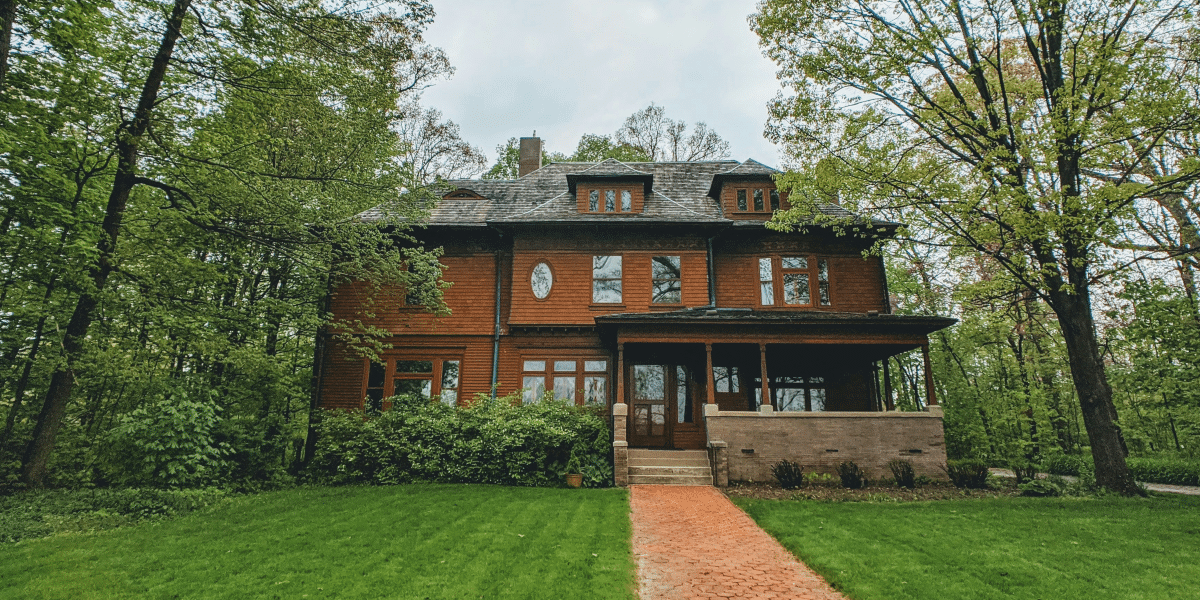





Remodeling a historic home is a delicate balancing act. It’s about preserving the rich history and charm that makes the property special while adapting it to meet modern needs and standards. Whether restoring intricate architectural details, upgrading the infrastructure, or adding contemporary conveniences, the process requires thoughtful planning and execution. Done right, it’s an opportunity to celebrate the past while ensuring the home is livable for the future.
Understanding the Historical Significance
Before embarking on any remodeling project, it’s vital to understand the property’s history. Research its architectural style, the era in which it was built, and any unique features contributing to its character. This research can guide your decisions about what elements to preserve and highlight.
Partnering with professionals experienced in historic renovations is essential. Companies like Truecraft Construction specialize in maintaining the integrity of historic homes while implementing necessary updates. Their expertise ensures that your home’s charm isn’t compromised during remodeling.
Identifying Key Features to Preserve
Historic homes often boast distinctive features such as original woodwork, ornate moldings, stained glass windows, and antique hardware. Identifying these key elements is the first step in preserving the character of the property. These features are irreplaceable, and retaining them honors the home’s history and adds significant value.
When restoring these elements, consider using materials and techniques that are authentic to the period. If the original features are damaged, look for artisans or craftspeople who can repair or replicate them. For example, replace deteriorated woodwork with hand-carved pieces or restore a damaged stained glass window with matching panes.
Modern Upgrades That Complement the Past
While preservation is important, updating a historic home to meet modern standards is equally critical. Infrastructure like plumbing, electrical systems, and insulation may need a complete overhaul. However, these updates can be made without compromising the home’s aesthetic.
For example, hidden wiring and discreet ductwork can modernize the home while keeping the original walls and ceilings intact. Similarly, energy-efficient windows designed to mimic traditional styles can improve comfort and reduce utility bills without detracting from the historic appearance.
Kitchens and bathrooms often pose the biggest challenge when remodeling a historic home. Modernizing these spaces is essential for functionality, but selecting materials and finishes that align with the home’s era is important. Classic subway tiles, vintage-style fixtures, and custom cabinetry can help achieve this balance.
Respecting the Exterior
The exterior of a historic home is just as important as its interior. Preserving the façade ensures that the property maintains its curb appeal and historical value. Materials like brick, stone, and wood siding should be repaired rather than replaced whenever possible.
When replacements are necessary, strive to match the original materials. For instance, if the roof requires updating, opt for slate or wood shingles replicating the original look. Additionally, landscaping can be designed to complement the home’s style with historically appropriate plants and hardscaping elements.
Sustainability in Historic Renovations
Sustainability and historic preservation can go hand in hand. By restoring existing features instead of replacing them, you’re reducing waste and conserving resources. Moreover, integrating eco-friendly technologies—such as solar panels, energy-efficient lighting, and water-saving fixtures—can modernize the home without detracting from its historic charm.
When choosing sustainable solutions, ensuring they’re visually harmonious with the home’s design is important. For example, solar panels can be installed on less visible roof parts to maintain the property’s traditional appearance.
Documenting the Process
As you remodel your historic home, document the journey. This record serves as a testament to your commitment to preserving history and can be a valuable resource for future homeowners. Photos, written notes, and even videos can capture the before-and-after transformation and highlight the care and craftsmanship involved.
If you’re looking for inspiration, Truecraft Construction’s Instagram showcases beautifully renovated historic homes. Their projects demonstrate how thoughtful updates can enhance a property’s charm while meeting modern needs. Following their account can provide ideas and insights for your own remodeling journey.
Working with Local Regulations
Many historic homes are subject to local preservation laws and guidelines. Before starting any work, familiarize yourself with these regulations. They may dictate what changes are permissible, particularly for the exterior. Applying for permits and obtaining necessary approvals can be time-consuming but is an essential step in preserving the home’s historical integrity.
In some cases, you may be eligible for grants or tax incentives for restoring a historic property. These programs can offset the cost of renovations and encourage preservation efforts. Be sure to research available resources in your area.
Balancing Personal Style with Historical Integrity
While it’s important to honor the home’s history, it should also reflect your personality and lifestyle. Striking this balance requires thoughtful design choices that harmonize old and new elements. For instance, you might pair antique furniture with modern textiles or incorporate contemporary artwork into a room with traditional architecture.
Consider working with an interior designer who specializes in historic homes. They can help you create a cohesive look that respects the property’s character while making it uniquely yours.
Patience and Flexibility
Remodeling a historic home is often more complex and time-consuming than working on a newer property. Unexpected challenges, such as hidden damage or outdated construction methods, are common. Patience and flexibility are key to navigating these obstacles.
Approach the project with an open mind and a willingness to adapt. While it may take longer than anticipated, the result is a home that preserves the beauty of the past while accommodating the needs of the present.
Embracing the Journey
Remodeling a historic home is a labor of love. It’s about more than just improving a property; it’s about honoring its story and ensuring its legacy endures. By carefully preserving its unique features, making thoughtful updates, and working with skilled professionals, you can create a space that’s both functional and timeless.
With dedication and attention to detail, your historic home can become a stunning blend of old-world charm and modern convenience—a place where history is not just remembered but celebrated every day.
Published by Iris S.
