

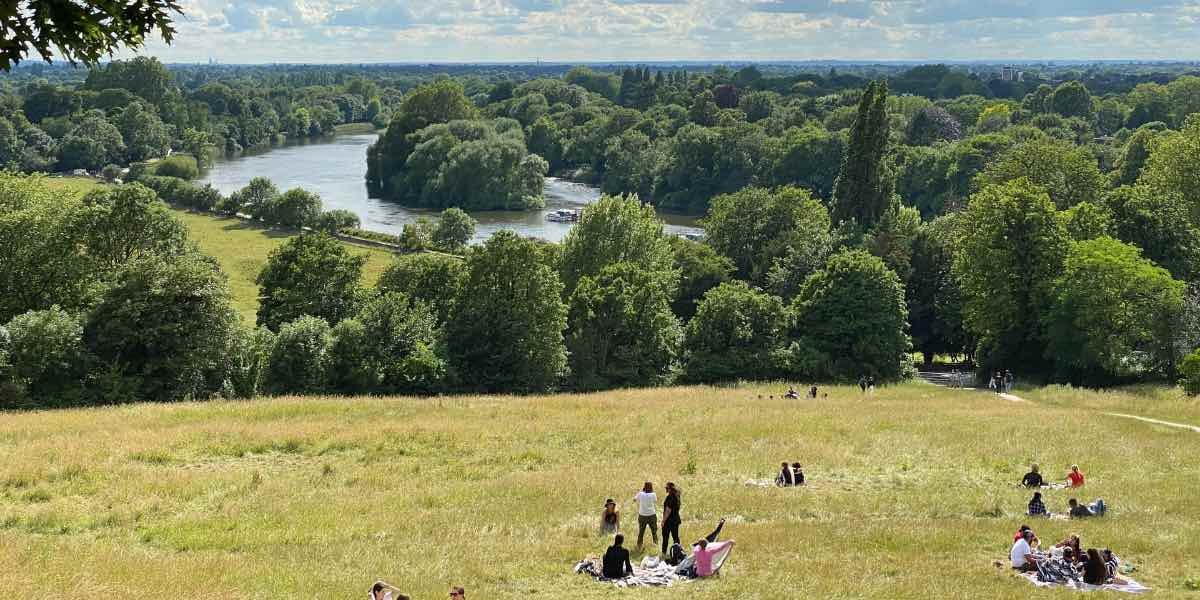






The conservation of Forest Park plays a key role in supporting Portland’s growing eco-tourism sector. This large urban forest, situated just minutes from downtown Portland, offers both locals and visitors a natural escape in the heart of the city. As Portland continues to position itself as a leader in sustainability, Forest Park has become an important destination for eco-tourism. The park’s preservation efforts not only contribute to the city’s environmental goals but also attract a diverse range of eco-conscious travelers seeking authentic outdoor experiences.
Read also: 8 Budget-Friendly Ways to Give a Local Park a Quick Refresh
The Role of Forest Park in Portland’s Urban Ecology
Forest Park spans over 5,000 acres, making it one of the largest urban forests in the United States. The park provides essential ecological functions within the city, offering a vital green space for both wildlife and people. By maintaining a healthy ecosystem within the park, conservation efforts help support the local biodiversity, providing habitats for various plant and animal species. This green space serves as a critical refuge for wildlife in a rapidly urbanizing area.
Additionally, Forest Park contributes to Portland’s broader environmental sustainability. The dense tree cover helps mitigate the urban heat island effect, regulate air quality, and manage stormwater. These environmental benefits support the city’s goals to improve overall sustainability, making the park’s preservation central to Portland’s efforts in combating climate change. As such, the park becomes more than just a recreational area—it is an essential part of the city’s ecological infrastructure.
The Appeal of Forest Park for Eco-Tourists
Eco-tourism is increasingly popular, with travelers seeking destinations that allow them to experience natural landscapes while minimizing their environmental impact. Forest Park serves as a prime example of how urban spaces can be integrated with eco-tourism goals, offering visitors an opportunity to enjoy nature without needing to leave the city. The park is known for its extensive network of trails that cater to a range of outdoor activities such as hiking, biking, and wildlife observation.
The accessibility of Forest Park makes it particularly appealing for both locals and tourists. Its proximity to downtown Portland allows visitors to experience a large, biodiverse forest without needing to travel far. For those seeking an outdoor experience that is easy to access but still provides a sense of wilderness, Forest Park offers a balanced opportunity to enjoy nature while still being connected to urban amenities. As people become more aware of the environmental impact of travel, destinations like Forest Park, which provide a nearby natural escape, have become increasingly attractive for eco-conscious visitors.
Conservation Efforts Enhance Eco-Tourism Opportunities
The ongoing conservation efforts in Forest Park are essential for maintaining its appeal as an eco-tourism destination. Efforts such as invasive species removal, habitat restoration, and trail maintenance help to preserve the natural beauty of the park and ensure it remains an attractive and sustainable location for visitors. These initiatives also support the park’s ability to continue serving as a sanctuary for local wildlife and plant species, further enhancing its value for eco-tourists.
In addition, the park’s conservation work directly contributes to maintaining its ecological health, which is important for both recreational and educational purposes. Eco-tourists who visit Forest Park often seek not only the opportunity to enjoy the outdoors but also to learn about environmental stewardship and conservation efforts. The park’s educational programs and volunteer opportunities encourage visitors to actively participate in its preservation, deepening their engagement and providing a more meaningful connection to the natural environment.
Economic Benefits of Eco-Tourism in Forest Park
Eco-tourism plays a significant role in Portland’s economy, and Forest Park’s role as a key attraction is central to this. Tourists visiting the park contribute to the local economy through spending on accommodations, food, transportation, and outdoor gear. As eco-tourism becomes a larger industry, the economic benefits of a well-preserved natural area like Forest Park become increasingly important for local businesses, particularly those in the hospitality and outdoor recreation sectors.
The park also supports long-term economic growth through sustainable tourism practices. While some tourist destinations may rely on overdevelopment or over-tourism, Forest Park remains an example of how natural areas can thrive without significant disruption. By promoting low-impact activities and focusing on sustainability, Portland is able to encourage eco-tourism that respects and preserves its natural environment, ensuring the long-term viability of both the park and the surrounding community.
Additionally, the success of eco-tourism in Forest Park helps to attract further investment in conservation efforts, which in turn supports the park’s continued sustainability. Revenue from eco-tourism can be reinvested in programs that benefit the park and surrounding areas, helping to support further habitat restoration, infrastructure improvements, and educational initiatives that enhance the visitor experience.
Forest Park as a Model for Urban Eco-Tourism
The development of Forest Park as an eco-tourism destination showcases the potential for urban areas to blend environmental conservation with tourism. Portland’s commitment to sustainability and green spaces has positioned the city as a model for urban eco-tourism, with Forest Park serving as a key component of this vision. The integration of conservation, public access, and eco-tourism has allowed Portland to attract a diverse range of visitors, from outdoor enthusiasts to those looking to learn more about urban ecology.
Other cities with urban parks or forests are increasingly looking to Portland as a case study for how to incorporate eco-tourism in a way that supports both environmental conservation and local economic development. The lessons learned from Forest Park’s success can be applied to other regions looking to create or enhance their own eco-tourism initiatives. This reflects the growing recognition that nature conservation, eco-tourism, and urban development can coexist in ways that benefit both people and the environment.
Community Involvement and Education
A key element of Forest Park’s conservation efforts is the involvement of the local community. Local residents, environmental organizations, and volunteers contribute to the park’s upkeep and stewardship, ensuring that its natural beauty is preserved for future generations. Many of these efforts also include educational components that help visitors understand the importance of conservation and sustainability.
Public engagement programs, such as guided hikes, educational talks, and hands-on volunteer activities, allow visitors to learn about the park’s ecology and conservation goals, which adds depth to their experience. This sense of involvement fosters a deeper appreciation for the park, encouraging more responsible behavior from visitors and a greater commitment to preserving the park’s natural resources.
As eco-tourism continues to grow, it is clear that sustainable practices and community involvement will be central to ensuring that destinations like Forest Park continue to thrive. The park’s conservation efforts offer a model for how urban spaces can integrate eco-tourism with community engagement, ensuring that visitors not only enjoy the park but also contribute to its long-term sustainability.
Read also: Can Tourism Further Boost Portland’s Economy?
The Future of Forest Park and Eco-Tourism in Portland
Looking ahead, Forest Park will likely continue to play an important role in Portland’s eco-tourism sector. As awareness of environmental issues and the desire for sustainable travel options increase, Forest Park is well-positioned to attract a growing number of eco-tourists. The ongoing conservation initiatives and community engagement efforts will be key to maintaining the park’s ecological integrity while ensuring it remains an accessible and appealing destination for visitors.
The continued focus on sustainability and responsible tourism practices will help ensure that Forest Park remains a central part of Portland’s eco-tourism appeal. As the city works to balance growth with environmental stewardship, Forest Park will likely serve as an important example of how urban areas can integrate nature conservation and eco-tourism in a way that benefits both the environment and the economy.
Forest Park’s conservation efforts play a pivotal role in enhancing Portland’s appeal as an eco-tourism destination. Through sustainable practices, community involvement, and ongoing conservation work, the park serves as an example of how urban areas can promote eco-tourism while maintaining environmental integrity. The benefits to both the local economy and the broader community are significant, offering lessons for other regions looking to blend eco-tourism with conservation efforts.
