







In an era where environmental concerns are at the forefront of societal discourse, reducing household waste has become a pressing priority. For college-educated readers eager to adopt sustainable practices, there are numerous inventive ways to cut down on waste, many of which are both practical and fun. This article explores three creative methods to help reduce household waste, ensuring your home is greener and more efficient.
Kitchen Scrap Gardening: Turning Waste into Produce
One innovative approach to minimizing waste is kitchen scrap gardening, where you can regrow produce like green onions and celery from kitchen scraps. This method not only reduces the amount of organic waste sent to landfills but also provides a continuous supply of fresh produce, cutting down on grocery bills. Kitchen scrap gardening is surprisingly easy: simply save the roots of your green onions or the base of your celery, place them in water until they begin to sprout, and then transfer them to soil.
This practice is not limited to green onions and celery; many vegetables, such as lettuce, carrots, and even potatoes, can be regrown from scraps. The benefits extend beyond waste reduction and cost savings. Engaging in kitchen scrap gardening can also serve as an educational tool, especially for children, teaching them about plant life cycles and sustainability. Additionally, having fresh herbs and vegetables at your fingertips encourages healthier eating habits.
Furthermore, the sense of accomplishment and satisfaction from growing your own food cannot be underestimated. It turns waste reduction into a rewarding hobby, fostering a deeper connection with the food we consume and the impact of our choices on the environment.
Upcycling: Giving New Life to Old Items
Upcycling is the art of transforming discarded items into something useful or beautiful, breathing new life into objects that might otherwise end up in the trash. Unlike recycling, which often involves breaking down materials to create something new, upcycling enhances the original item’s value by creatively repurposing it. This process not only reduces waste but also curtails the demand for new products, thereby lowering overall consumption and the associated environmental footprint.
For example, old t-shirts can be converted into reusable shopping bags, reducing the need for plastic bags. Glass jars from sauces or pickles can be cleaned and used as storage containers for dry goods, homemade jams, or even as decorative candle holders. Wooden pallets, often discarded by businesses, can be transformed into rustic furniture or garden planters.
Upcycling fosters creativity and resourcefulness, encouraging individuals to see potential in what might initially appear as waste. This approach can also be economically advantageous, as it often costs less to upcycle than to purchase new items. Moreover, it contributes to a unique and personalized living space, filled with items that carry a story and reflect personal ingenuity.
Composting: Turning Organic Waste into Nutrient-Rich Soil
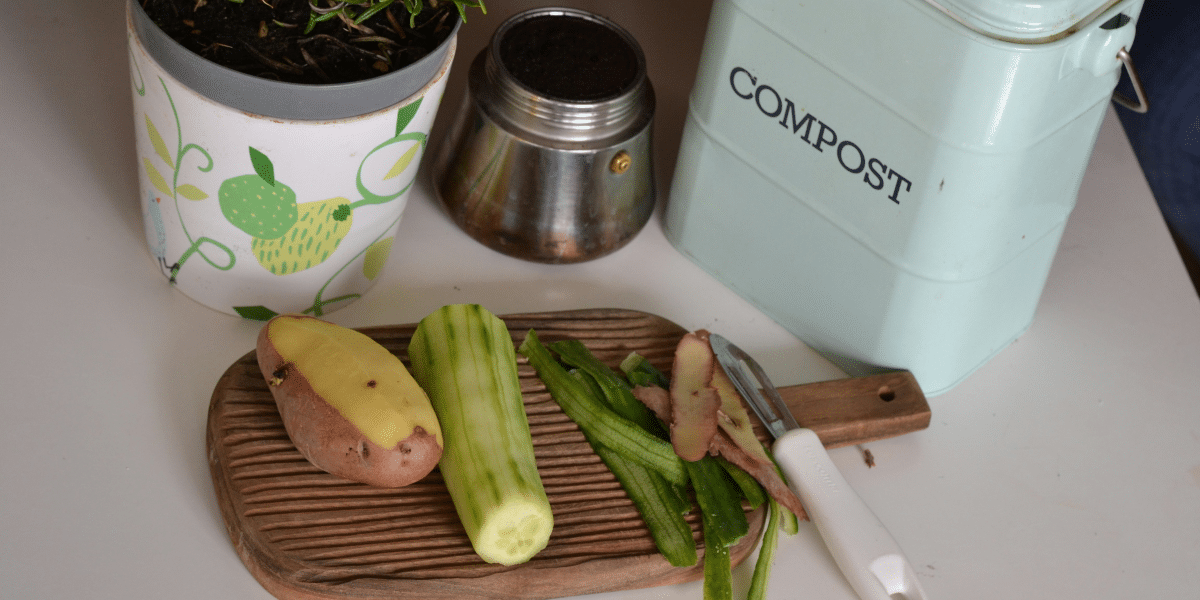
Composting is a time-honored method of reducing household waste that transforms organic matter into nutrient-rich soil. This process not only decreases the volume of waste sent to landfills but also enriches garden soil, promoting healthier plant growth. Composting can be done in various ways, from simple backyard piles to more sophisticated systems like worm bins or compost tumblers.
To start composting, gather organic waste such as fruit and vegetable peels, coffee grounds, eggshells, and yard trimmings. Avoid adding meat, dairy, or oily foods, as they can attract pests and create odors. Balance your compost pile with green materials (rich in nitrogen) and brown materials (rich in carbon), turning it regularly to aerate and speed up decomposition.
The environmental benefits of composting are substantial. By diverting organic waste from landfills, composting reduces methane emissions, a potent greenhouse gas. Additionally, the compost produced enhances soil structure, increases its ability to retain water, and provides essential nutrients, reducing the need for chemical fertilizers.
For urban dwellers with limited space, small-scale composting solutions, such as bokashi bins or vermicomposting with worms, offer practical alternatives. These methods can be managed indoors and are designed to handle smaller quantities of waste efficiently.
Incorporating these creative methods into daily routines can significantly reduce household waste and contribute to a more sustainable lifestyle. Whether through kitchen scrap gardening, upcycling, or composting, each step taken towards waste reduction helps foster a healthier planet and promotes a sense of personal achievement. As awareness and innovation continue to grow, the possibilities for reducing household waste are virtually limitless.
Published by: Martin De Juan
