

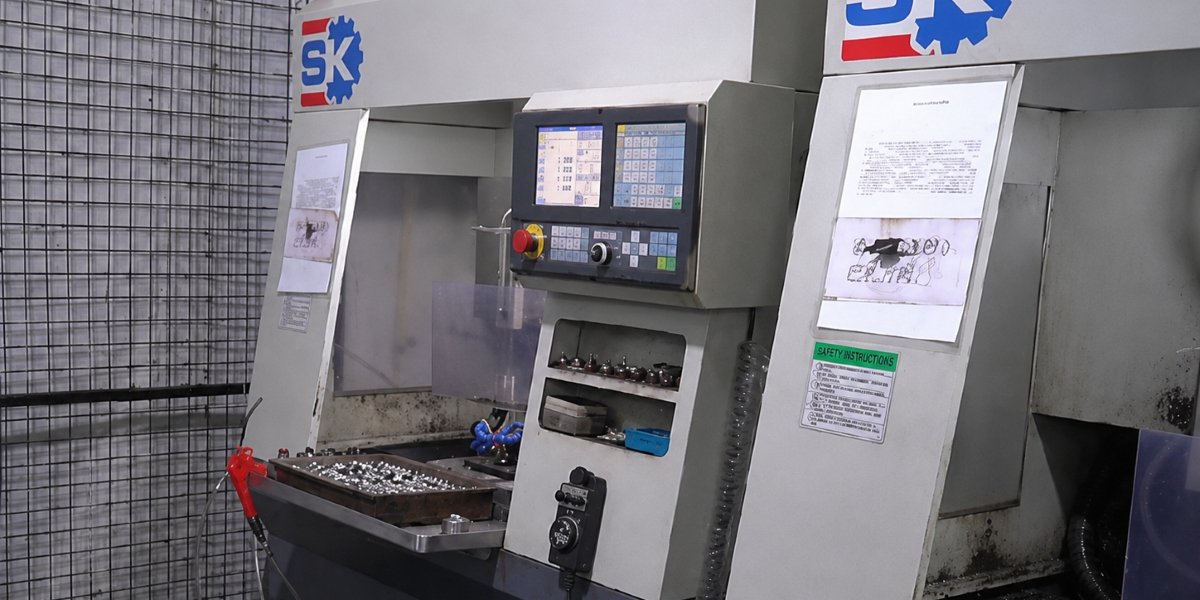






Finishing processes in precision manufacturing refer to the final stage of shaping, refining, and treating a component’s surface after machining. In mechanical watch production, finishing determines surface texture, corrosion resistance, and dimensional stability under wear. Industry references on machining practice, including machining handbooks and CNC process guides, describe finishing as a controlled reduction of surface irregularities using mechanical or chemical methods. These methods vary by material due to differences in hardness, grain structure, and thermal response. In OEM and ODM manufacturing environments such as those associated with Billow Time Watch Co., Ltd., finishing specifications are typically derived from client technical drawings and export requirements rather than internal design systems.
Titanium finishing requires different operational controls due to its low thermal conductivity and tendency to gall during machining. Grade 2 and Grade 5 titanium are commonly used in horology applications. During finishing, bead blasting is frequently used to produce a matte surface, reduce glare, and mask machining marks. Controlled polishing is used for selective surfaces, though excessive heat must be avoided to prevent surface oxidation or discoloration. Technical machining references note that titanium often requires slower feed rates and reduced abrasive pressure compared with steel. In structured manufacturing workflows, titanium finishing is usually separated into dedicated stations to reduce cross-material contamination and tool wear variation.
Bronze finishing introduces additional variables due to its copper-tin composition and natural oxidation behavior. Unlike stainless steel, bronze develops a patina when exposed to air and moisture. Finishing processes typically include CNC shaping, sanding, and partial polishing, followed by optional protective coating depending on client specification. Some production workflows deliberately avoid full surface sealing to allow controlled aging after distribution. Industry material references indicate that bronze surface changes are chemically driven and cannot be reversed once oxidation progresses. In OEM production contexts, finishing instructions often specify whether patina development is intended, which directly affects post-processing treatment decisions.
Ceramic finishing involves high-precision machining and abrasive refinement due to the material’s hardness and brittleness. Zirconia-based ceramic used in watch cases requires diamond tooling during CNC shaping. After sintering, surface finishing is limited to polishing and edge refinement because dimensional correction is difficult once the ceramic is fully hardened. Technical references in advanced ceramics machining note that micro-crack formation is a key risk factor during polishing and must be monitored through controlled pressure application. In structured production systems, ceramic components are typically inspected between each finishing stage to reduce fracture risk before final assembly integration.
Forged carbon fiber finishing differs significantly from metal and ceramic processes. The material is produced by compressing short carbon fibers with resin under high pressure. The resulting structure has a random fiber distribution, which defines the final appearance. Finishing typically includes CNC trimming, edge smoothing, and surface sealing. Unlike polished metals, forged carbon is not finished for reflectivity but for structural uniformity and resin stabilization. Industrial composite machining references note that dust extraction and tool wear management are critical due to abrasive carbon particles. In production environments handling multiple materials, forged carbon finishing is often isolated due to contamination risks in machining areas.
Across all material categories, finishing outcomes are closely linked to earlier machining precision. CAD modeling systems define geometry, while CAM tools such as Mastercam generate toolpaths that determine surface roughness before finishing begins. SolidWorks-based engineering files are commonly used in OEM workflows to communicate tolerances, chamfers, and surface requirements from client specifications. Industry machining standards indicate that tighter machining tolerances reduce finishing time but increase initial CNC cycle complexity. This relationship between machining accuracy and finishing workload is a central factor in production planning within multi-material watch manufacturing environments.
Within structured OEM manufacturing systems, including operations associated with Billow Time Watch Co., Ltd., finishing is integrated into a broader sequence that includes machining, assembly, and inspection. Production workflows are typically divided into functional departments, with finishing positioned between component fabrication and final assembly. Quality control checkpoints are distributed across these stages to verify surface consistency and dimensional accuracy. Publicly available information on internal defect rates or production yields is limited, as such data is generally not disclosed in contract manufacturing operations. As a result, finishing practices are best understood through process structure, material handling requirements, and standardized workflow organization rather than performance metrics.
