Portland Kicks Off July Arts and Outdoor Festival Season

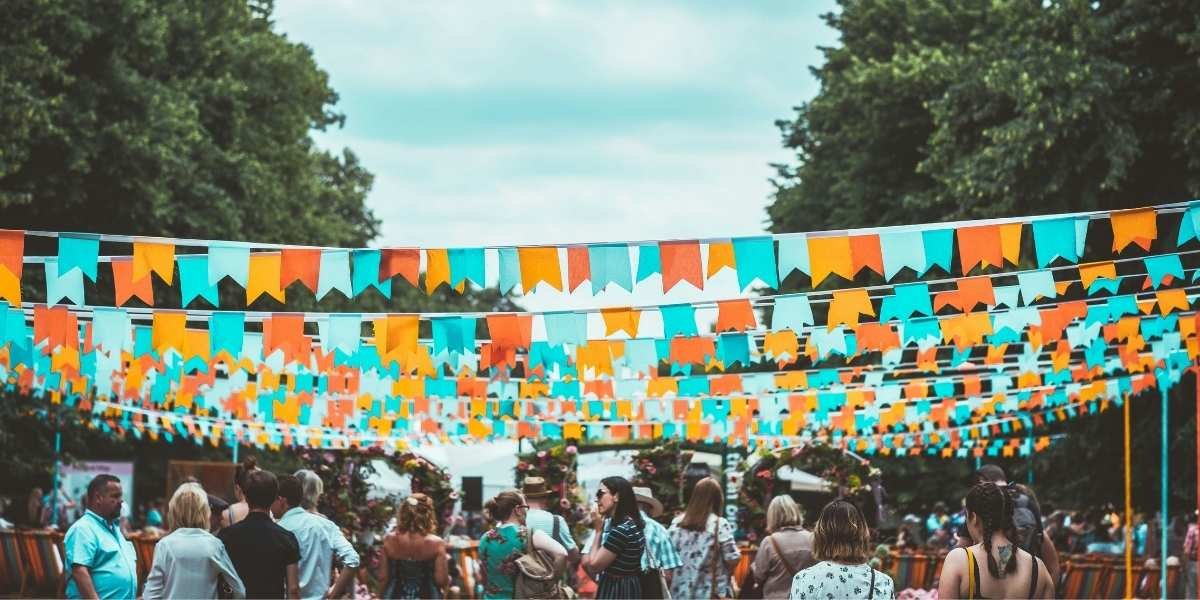
Portland and communities across Oregon are beginning a busy July festival season, with events focused on music, art, food, wildlife, agriculture, rodeo traditions, and outdoor recreation. The statewide calendar includes free concerts, coastal gatherings, community fairs, lavender festivals, and heritage events organized by local groups, nonprofits, municipalities, volunteers, and tourism partners.
Key Takeaways
- Oregon’s July festival calendar includes arts, music, food, wildlife, agriculture, rodeos, and community fairs.
- Portland’s Cathedral Park Jazz Festival is scheduled for July 17 to 19, 2026, beneath the St. Johns Bridge.
- Annual events include the Great Puffin Watch in Cannon Beach, the Newberg lavender season, the St. Paul Rodeo, and Pacific City Dory Days.
Oregon’s July calendar features annual festivals and public events that bring residents and visitors to concerts, cultural celebrations, agricultural fairs, wildlife programs, and outdoor gatherings.
Portland joins communities across the state in hosting recurring summer events that have become part of Oregon’s seasonal calendar. While many festivals are organized locally, the combined schedule spans urban neighborhoods, coastal towns, rural communities, and regional destinations.
The July calendar follows several weeks of summer celebrations, including the Rose Festival. Portland’s continued schedule of seasonal activities builds on the momentum created by earlier community events, including the combined downtown parade that marked the close of this year’s Rose Festival season.
A Statewide Summer Calendar
The Portland July arts and outdoor festival season includes events with different community purposes. Some focus on music and art. Others center on wildlife education, farming, local history, maritime traditions, or Independence Day activities.
Together, these events support community participation during one of Oregon’s busiest summer months.
What Arts and Music Festivals Are Scheduled During July?
Portland’s Cathedral Park Jazz Festival returns July 17 to 19, 2026, beneath the St. Johns Bridge. Presented by the Jazz Society of Oregon, the annual event continues one of the city’s longest-running free outdoor music festival traditions.
Portland’s Free Jazz Tradition
The Cathedral Park Jazz Festival brings jazz, blues, R&B, and soul performers to Cathedral Park. The event remains one of the region’s signature summer concerts and draws audiences to North Portland during mid-July.
Arts organizations also remain part of Portland’s cultural calendar by supporting local performers, exhibitions, and public events. That work connects with broader local discussions about arts education funding and the role of cultural programming in schools and community spaces.
Coastal and Southern Oregon Music Events
Outside the Portland metropolitan area, the 48th Annual Oregon Coast Music Festival is scheduled for July 11 to 25, 2026, with events in Coos Bay, North Bend, Bandon, and Charleston. The festival includes orchestral, jazz, and other music programming across multiple venues.
Southern Oregon’s Lost River Bluegrass Festival in Merrill is also part of the state’s bluegrass and rural music calendar. The event has been associated with live performances, family-oriented activities, and local cultural programming.
What Community and Outdoor Celebrations Are Taking Place Across Oregon?
Oregon’s July schedule extends beyond music to include wildlife education, agricultural festivals, rodeos, and longstanding local traditions.
At Cannon Beach, Friends of Haystack Rock will host the Great Puffin Watch from July 1 to 4, 2026. Volunteers help visitors observe tufted puffins near Haystack Rock using spotting scopes and binoculars while sharing information about the protected seabirds and coastal conservation.
Wildlife, Agriculture, and Local Heritage
In the Willamette Valley, the Newberg Lavender Trail continues through the lavender season, which peaks in July. The Willamette Valley Lavender Festival and Plein Air Art Show is scheduled for July 11 and 12, 2026, at the Chehalem Cultural Center in Newberg. The event brings together artists, growers, vendors, and local businesses.
The Donald Daze Hazelnut Festival is scheduled for July 11, 2026, in Donald. The annual event includes a community parade, classic car show, exhibitors, food vendors, and family activities.
Pacific City Dory Days is scheduled for July 17 to 19, 2026. The annual coastal celebration recognizes the local dory fishing culture unique to Pacific City and is hosted by community and dorymen’s groups.
Rodeo and Small-Town Events
The St. Paul Rodeo is scheduled for June 30 to July 4, 2026, during the Independence Day period. Organizers describe the 2026 event as the 90th anniversary of the rodeo, continuing one of Oregon’s best-known annual rodeo traditions.
Other community celebrations include Toledo’s Summer Festival and Logging Show, which recognizes local logging heritage through public events and family activities.
How Do July Festivals Support Oregon Communities?
July festivals support Oregon communities by bringing together nonprofit organizations, volunteers, local governments, artists, performers, farmers, small businesses, and tourism partners.
Many events are hosted in parks, downtown districts, waterfronts, farms, cultural centers, rodeo grounds, and community venues. These locations encourage residents to explore nearby destinations while participating in seasonal activities.
Several festivals also coincide with the Independence Day period, giving families and visitors more options during the holiday week.
Local Participation and Regional Tourism
Oregon July festivals do not concentrate activity in one location. Instead, the calendar distributes events across multiple regions, allowing communities to highlight local traditions while attracting visitors from elsewhere in the state.
For Portland residents, the July schedule offers nearby concerts and cultural events alongside destinations suitable for day trips and weekend travel.
Communities throughout Oregon are continuing preparations as July begins, with local organizers relying on volunteers, performers, vendors, and public agencies to support the month’s festival season.
Frequently Asked Questions
What Festivals Are Taking Place In Oregon During July?
Oregon’s July calendar includes music festivals, arts events, rodeos, agricultural celebrations, wildlife activities, coastal festivals, and community fairs. Events are scheduled across Portland, the Oregon Coast, the Willamette Valley, Southern Oregon, and other regional communities.
What Is The Cathedral Park Jazz Festival?
The Cathedral Park Jazz Festival is a free annual outdoor music festival held beneath the St. Johns Bridge in Portland. The 2026 festival is scheduled for July 17 to 19 and features live music in Cathedral Park.
What Is The Great Puffin Watch?
The Great Puffin Watch is an annual event at Cannon Beach where volunteers help visitors observe tufted puffins near Haystack Rock. The 2026 event is scheduled for July 1 to 4.