

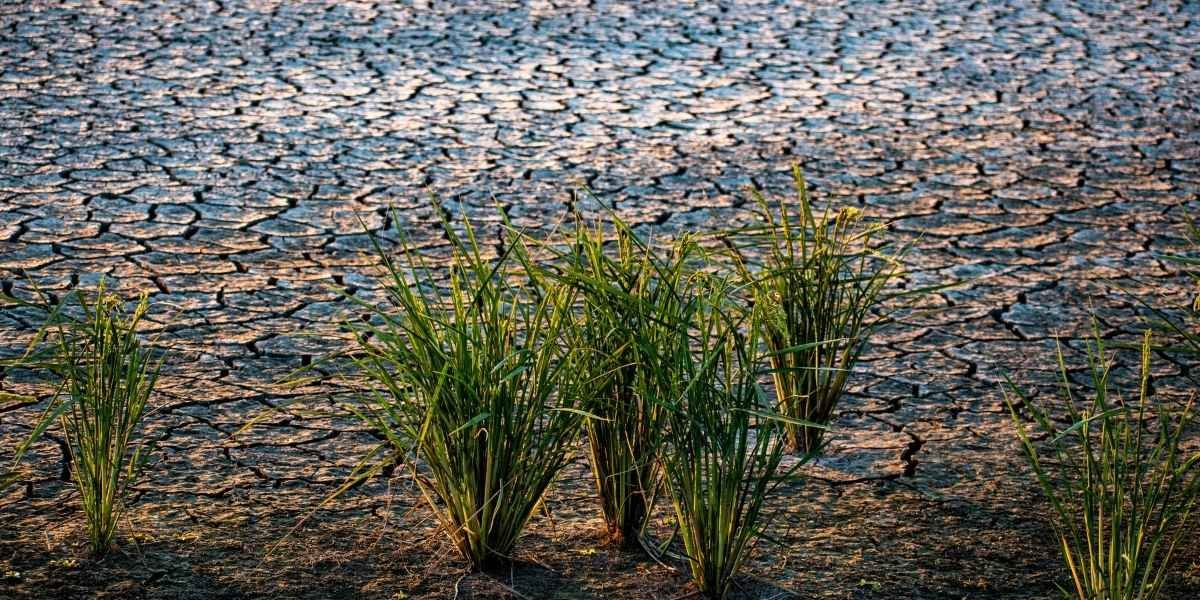





Oregon drought emergency declarations now cover more than half of the state’s 36 counties after state officials added Josephine and Wasco counties to the list of areas operating under emergency status. The latest declarations increase the number of affected counties to 19, allowing local governments and state agencies to coordinate drought response measures as dry conditions continue across much of Oregon.
The emergency declarations were approved by Governor Tina Kotek following requests from county officials and recommendations from the Oregon Water Resources Department. The expanded list reflects ongoing concerns about reduced streamflows, below-average precipitation in several regions, and water shortages affecting agriculture, livestock operations, and rural communities during the 2026 water year.
Oregon drought emergency now includes 19 counties
The addition of Josephine and Wasco counties marks another expansion of Oregon’s statewide drought response. Emergency declarations provide state agencies with greater flexibility to help communities respond to water shortages, coordinate technical assistance, and streamline certain regulatory processes related to water management.
Under Oregon law, counties experiencing severe drought conditions may request a declaration through the governor after demonstrating significant impacts on water supplies and agricultural operations. Recommendations from the Oregon Water Resources Department help determine whether local conditions warrant emergency status.
With Josephine and Wasco now included, more than half of Oregon’s counties are operating under drought emergency declarations. The designation does not automatically impose mandatory water restrictions statewide, but it enables state and local officials to access additional tools for responding to prolonged dry conditions.
Officials continue monitoring reservoir levels, streamflows, groundwater supplies, and seasonal weather patterns throughout the state. Water managers also coordinate with agricultural producers, irrigation districts, municipalities, and tribal governments to assess local conditions and identify areas where assistance may be needed.
Josephine and Wasco counties cited ongoing water concerns
Josephine County, located in southwestern Oregon, has experienced continuing dry conditions affecting agricultural lands, rural water users, and natural resources. Local officials sought the emergency declaration as water availability remained below seasonal expectations in parts of the county.
Wasco County, situated along the Columbia River in north-central Oregon, also reported drought-related impacts on farming and irrigation. Agricultural producers throughout the county depend on reliable water supplies during the growing season, making drought conditions a significant concern for crop production.
The governor’s approval allows state agencies to work more closely with county governments in addressing immediate water challenges. Agencies may assist with drought planning, water supply coordination, technical guidance, and other response efforts permitted under Oregon’s drought emergency framework.
Emergency declarations are reviewed as conditions change throughout the year. Counties may remain under emergency status until drought impacts improve sufficiently or until the declaration expires under state procedures.
The Oregon Water Resources Department continues evaluating hydrologic conditions across the state through stream gauges, snowpack information, precipitation reports, and groundwater monitoring. These data help inform future drought decisions and water management strategies.
State agencies continue coordinating drought response
Several Oregon agencies participate in the state’s coordinated drought response, including the Oregon Water Resources Department, Oregon Department of Agriculture, Oregon Department of Emergency Management, and other state partners.
The Oregon Water Resources Department oversees water allocation, evaluates emergency drought requests, and works with local governments on water supply issues. The agency also provides drought information, hydrologic data, and guidance for water users throughout the state.
The Oregon Department of Agriculture works with producers experiencing drought-related impacts on crops, livestock, and irrigation. Dry conditions can affect pasture quality, forage production, and water availability for agricultural operations, making coordination between state agencies and local producers an important component of the response.
Emergency management officials also monitor conditions that may affect public services, rural infrastructure, and community preparedness. While drought emergencies primarily address water shortages, prolonged dry conditions can contribute to additional environmental concerns during the summer season.
State agencies regularly update drought information as weather patterns, precipitation totals, and water supplies change. Officials encourage communities to remain informed through state and local water management agencies regarding current conditions affecting their region.
Dry conditions continue across parts of Oregon
The latest emergency declarations follow continued reports of below-normal precipitation and reduced water availability in multiple parts of Oregon. Conditions vary across the state, with some regions experiencing more severe drought impacts than others depending on local rainfall, snowpack, and watershed conditions.
Seasonal snowpack plays an important role in replenishing reservoirs and maintaining streamflows during spring and summer. Lower-than-average snow accumulation in some watersheds can reduce water supplies available later in the year, particularly for irrigation and agricultural use.
River systems, groundwater resources, and reservoir storage levels are monitored throughout the year to help determine water availability. These measurements assist state officials in evaluating drought severity and planning water management decisions.
Many agricultural operations depend on predictable water supplies throughout the growing season. Reduced streamflows and declining soil moisture can affect irrigation scheduling, crop production, and livestock management, particularly in areas already experiencing prolonged dry weather.
Municipal water systems generally operate under separate management plans, although local governments continue monitoring supplies as drought conditions evolve. Some communities may encourage voluntary conservation measures depending on regional water availability.
Environmental agencies also monitor stream conditions because reduced water levels and warmer temperatures can affect fish habitat and aquatic ecosystems. Water management decisions often seek to balance agricultural, municipal, environmental, and recreational needs during periods of limited supply.
