







Portland has made significant strides in increasing the availability of shelter beds for individuals experiencing homelessness. The city has added hundreds of new overnight shelter spaces in recent months as part of its efforts to provide immediate relief. This expansion aims to offer a safe place for people to sleep, particularly during colder months. However, the approach is primarily focused on providing overnight stays, with individuals needing to leave the shelters each morning.
City data shows that over 890 new shelter beds have been added since the current administration began prioritizing this area of support. These shelters vary in type, from recovery-oriented spaces to more general emergency overnight accommodations. The model is designed to meet short-term needs, but some are questioning whether it truly addresses the long-term housing challenges faced by many Portland residents.
While the increase in bed capacity is a step forward, some shelters have struggled to fill all their available spaces. Reports suggest that usage rates do not always reflect the increased capacity, prompting questions about whether the current model is effectively addressing the realities of homelessness in the city. The underutilization of these spaces raises concerns about the alignment of shelter services with the actual needs of those seeking help.
Daily Challenges for Shelter Guests
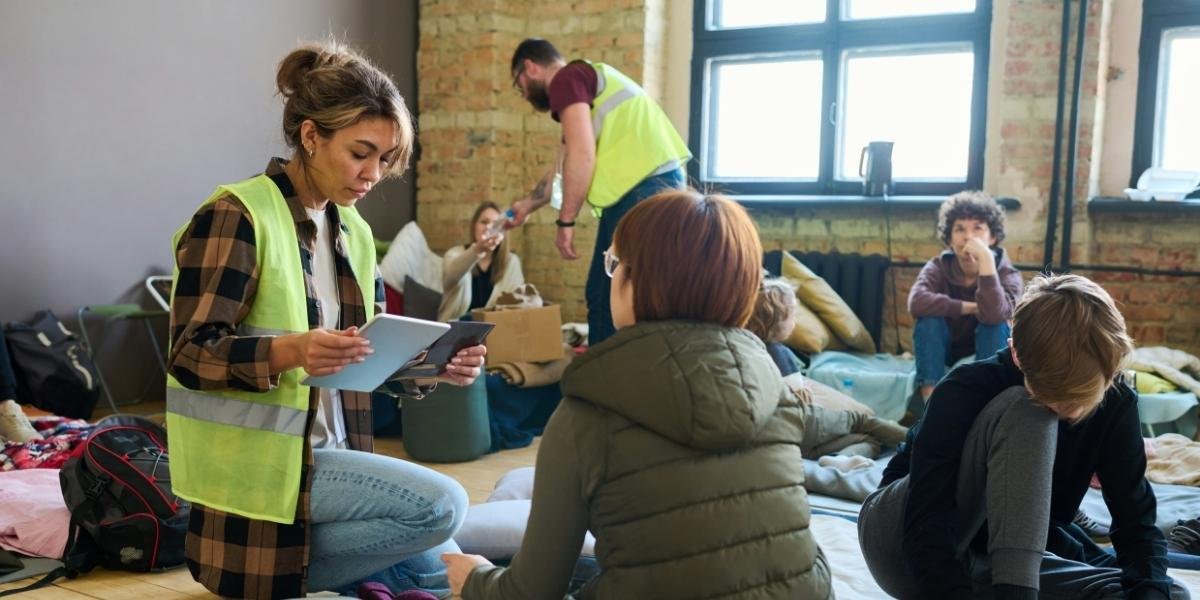
While overnight shelters provide safety and security at night, the requirement to leave each morning presents daily challenges for guests. Individuals using these shelters often find themselves carrying their belongings throughout the day, searching for services, food, and other basic needs. This routine can be exhausting, as the cycle of leaving in the morning and returning at night creates additional stress and instability for those already facing difficult circumstances.

Photo Credit: Unsplash.com
For many, this daily rhythm makes it harder to stabilize their situation. The lack of daytime access to services further complicates efforts to secure medical care, employment, or long-term housing options. This cycle of temporary safety and constant movement highlights the tension between offering immediate relief and creating a sustainable support system that fosters long-term stability.
One example that illustrates this reality is the Salvation Army Female Emergency Shelter (SAFES). Women using this shelter line up each night for a bed, knowing they will be required to leave by morning. While the shelter provides vital relief, the constant turnover and lack of daytime accommodations emphasize the limitations of an overnight-only model in meeting the broader needs of individuals experiencing homelessness.
Balancing Safety with Long-Term Solutions
City leaders emphasize the importance of overnight shelters in providing lifesaving support, particularly during extreme weather conditions. These shelters are intended to offer immediate safety for those most in need, ensuring that vulnerable individuals have a place to sleep during harsh nights. While the model has been instrumental in addressing short-term needs, some critics argue that it may inadvertently contribute to instability by requiring people to return to the streets every morning.
The lack of continuity in this system can hinder efforts to provide individuals with consistent care and long-term solutions. Many advocates believe that the overnight shelter model, while important, needs to be paired with comprehensive services that support individuals throughout the day. This includes access to medical care, job opportunities, and other services that are crucial for helping people transition out of homelessness.
Portland’s approach highlights the difficulty of balancing immediate safety with sustainable solutions. With limited resources and growing demand for services, the city faces ongoing challenges in determining how best to support its homeless population. The debate over whether shelters should focus on short-term safety or long-term stability is central to discussions about how to improve homeless services in the city.
Community Perspectives and Framing of Homelessness
The expansion of overnight shelters has sparked a range of opinions from the Portland community. Some residents view the increase in shelter beds as a necessary step to address the immediate needs of individuals experiencing homelessness. They argue that these shelters provide critical support and save lives, particularly in extreme weather conditions.
However, others feel that the overnight-only model does not go far enough in providing comprehensive support. Advocates for homelessness services emphasize that shelters should be more than just places to sleep, they should serve as gateways to stability. Without daytime access, individuals are often left without the resources they need to improve their circumstances. Advocates argue that the overnight shelter model risks being seen as a temporary fix rather than a long-term solution.
Public discourse surrounding the issue often focuses on the human impact of homelessness. Stories of exhaustion, resilience, and frustration shed light on the real-world experiences of those affected by the shelter system. These personal accounts fuel ongoing conversations about how best to support people experiencing homelessness and what role shelters should play in helping them regain stability.
Questions and Uncertainties
As Portland continues to expand its overnight shelter capacity, several questions remain unanswered. One of the key issues is whether the model will encourage greater use of daytime services or if it will create new barriers. While overnight shelters offer critical safety at night, the lack of daytime access to services may prevent individuals from receiving the comprehensive support they need.
City officials have emphasized that overnight shelters are just one part of a larger strategy to address homelessness in the city. In addition to shelter beds, the city has focused on expanding recovery-oriented services and connecting individuals to necessary resources. However, whether these services provide enough continuity remains unclear.
The ongoing debate about the role of overnight shelters reflects the complexity of addressing homelessness in a way that balances immediate relief with long-term solutions. What remains clear is that overnight shelters are a vital component of Portland’s homeless services, offering a safe space during the night for those who need it most. However, the challenge lies in integrating these services into a broader system that provides the stability and support necessary for individuals to rebuild their lives.
As Portland navigates the ongoing conversation about homelessness, the question remains: how can the city create a model that offers not just temporary relief but also the long-term support needed to help individuals transition out of homelessness and into stable, sustainable living conditions?
