

Google Signs 50 MW Deal for Central Oregon Geothermal Energy

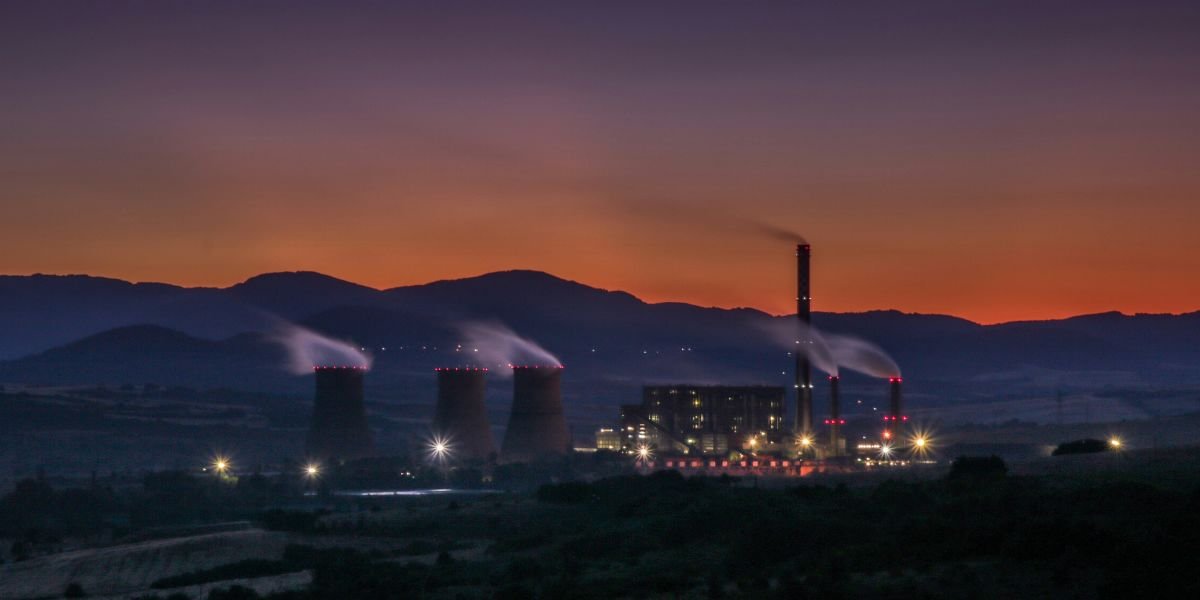
Central Oregon geothermal energy could supply Google’s data centers in The Dalles under a 50-megawatt agreement announced November 17, 2026. Quaise Energy plans to develop the resource near Newberry Volcano, with electricity deliveries possible as early as 2030. The project still faces drilling, construction and transmission requirements that will determine when generation can begin.
Google’s agreement with Quaise Energy provides a prospective buyer for the first planned phase of Project Obsidian, a geothermal development on the southern flank of Newberry Volcano near La Pine. The plant is not yet operating, and the companies have not announced a firm date for commercial generation.
The agreement links a proposed energy facility in Deschutes County to Google’s three data center campuses in The Dalles. It also raises practical questions about how the electricity would reach the grid, what drilling technology the plant will use and which local jobs might result.
Key Takeaways
- Google agreed to buy 50 megawatts of electricity from Quaise Energy’s Project Obsidian
- The companies say deliveries could begin as early as 2030, subject to project development
- The first phase calls for conventional drilling, with millimeter-wave drilling planned for a later phase
- Quaise projects 200 to 400 construction jobs and more than 50 permanent roles
- A roughly 10-mile transmission line would connect the project to a substation in La Pine
Google’s 50 MW Agreement Targets Power Deliveries in 2030
The November 17 agreement is a power purchase contract, not a notice that geothermal electricity is already flowing. The companies have not publicly provided a price per megawatt-hour. Construction milestones, electricity output and the delivery date remain dependent on developing the proposed facility.
Google has operated in The Dalles since 2006 and now has three data center campuses there. The company says those facilities have reached 83% carbon-free energy under its reporting framework. Power from Project Obsidian would add a new planned source to that electricity supply rather than replace the need for existing grid connections.
The 50-megawatt figure describes the amount of power Google agreed to purchase. It does not establish that the geothermal plant will meet all electricity requirements at the three campuses or provide immediate changes to bills paid by households and businesses.
The project also differs from smaller generation programs aimed directly at consumers. An East Portland community solar project is intended to provide bill credits to qualifying households. Project Obsidian is designed around a utility-scale generating facility and a commercial electricity buyer.
Central Oregon Geothermal Energy Depends on Superhot Rock
Project Obsidian would produce electricity by capturing heat from rock beneath the Newberry Volcano area. In an enhanced geothermal system, water circulates through heated rock and returns to the surface, where the recovered heat can drive electricity-generating equipment. Geothermal generation can operate without the daylight or wind conditions required by solar and wind facilities.
Quaise says it plans to use conventional drilling equipment during the first phase, targeting rock at temperatures above 572 degrees Fahrenheit. A later phase would introduce millimeter-wave drilling technology, which uses electromagnetic energy to break down rock without the same direct contact as a conventional drill bit.
That approach remains a development objective rather than a demonstrated commercial result at Project Obsidian. The planned millimeter-wave phase should not be confused with the initial 50-megawatt contract, which the developer says will rely on conventional drilling methods.
Google’s head of advanced energy technologies, Lucia Tian, acknowledged the cost challenge while discussing the project. “The hope is that we drive these technologies down that cost curve,” she said. Her statement describes an aim for future geothermal development, not a confirmed reduction in electricity prices.
Construction Jobs and Transmission Are Still Projected
Quaise estimates Project Obsidian could support between 200 and 400 jobs during construction, followed by more than 50 permanent positions in engineering and operations. Those figures are company projections. The announcement does not establish that those roles have been filled or provide a detailed hiring schedule.
Electricity delivery also requires infrastructure beyond the generating plant. Quaise plans to build approximately 10 miles of transmission line from the Newberry site to a substation in La Pine. The electricity would then move through the regional grid toward The Dalles, rather than through a direct line connecting the plant to Google’s campuses.
The companies say grid improvements and electricity sales could bring regional economic benefits. Specific local revenue, rate effects and construction costs have not been established in the announcement, so any direct financial benefit to residents remains uncertain.
In Portland, separate industrial modernization grants support qualifying facilities seeking to reduce energy use and emissions. Those grants are unrelated to Project Obsidian, which must complete its own generation and transmission work before any contracted electricity is delivered.
Quaise has outlined later development phases, but Google’s November agreement covers only the initial 50 megawatts.
Frequently Asked Questions
When could Google begin receiving geothermal electricity?
Quaise Energy says deliveries could begin as early as 2030. The date depends on completion of drilling, construction and the necessary electricity connections.
Where is Project Obsidian located?
The planned geothermal plant is on the southern flank of Newberry Volcano near La Pine, Oregon. Its electricity is intended to support Google’s data center operations in The Dalles through the regional grid.
Will the agreement lower electricity bills in Oregon?
No change in household electricity rates has been confirmed. The purchase price has not been publicly specified, and the project is not yet delivering power.
How many jobs could the project create?
Quaise projects 200 to 400 construction jobs and more than 50 permanent positions. These figures are estimates rather than reported employment totals.
How is Central Oregon geothermal energy generated?
The proposed system would circulate water through deep, hot rock and use the recovered heat to generate electricity. Quaise plans conventional drilling initially and millimeter-wave drilling in a later phase.