Portland Hosts Free Evening Bike Ride Focused on Cycling Safety

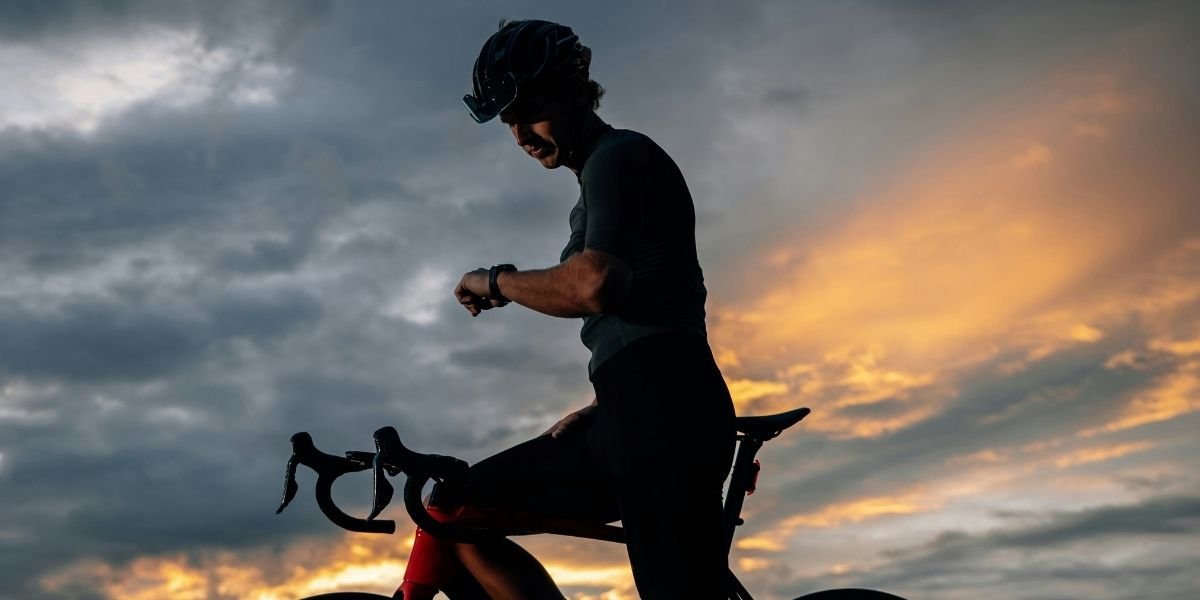
Portland evening bike ride organizers are inviting residents to a free, approximately seven-mile group outing in East Portland on Thursday, October 29, 2026. Led by the Portland Bureau of Transportation, the event will highlight bicycle lights, reflective gear and street visibility as fall evenings become darker. The ride is intended for newcomers and returning cyclists.
Key Takeaways
- The See and Be Seen Ride meets at Midland Library, 805 SE 122nd Avenue, at 5:30 p.m. Thursday, October 29.
- Participants are scheduled to depart at 6 p.m. and return by 7:30 p.m. after a loop of approximately seven miles.
- The free ride is planned at an easy pace of 8 to 10 mph, with tips on visibility and East Portland street lighting.
- Oregon requires a white front bicycle light and a visible red rear light or reflector in low-visibility conditions.
The Portland Bureau of Transportation (PBOT) is organizing the See and Be Seen Ride under its Ride Through the Seasons program, which offers free cycling activities in October and November.
Organizers will share tips on lighting and reflective equipment. PBOT says the group will travel at 8 to 10 mph and that “no one is left behind.” The ride welcomes new and returning cyclists.
Portland Evening Bike Ride Covers a Seven-Mile Loop
The group will assemble outside Midland Library before departure. PBOT describes the course as an approximately seven-mile loop that will pass East Portland street-lighting projects. Its public listing does not provide street-by-street directions or identify specific installations.
The ride is free and scheduled for rain or shine. PBOT also advertises bright accessories for early arrivals, without listing quantities.
Portland’s public bike route network includes neighborhood greenways, on-street bicycle lanes and shared paths. Those are useful points of reference for residents considering regular trips, although the bureau has not confirmed which of those facilities Thursday’s group will use.
PBOT describes a group outing rather than a timed race. The emphasis is on cycling together and being visible during an ordinary evening trip.
Bike Lighting Rules Shape the Safety Focus
Oregon law requires a white front light visible from at least 500 feet and a red rear light or reflector visible from 600 feet during darkness or low visibility. A front reflector does not meet the headlight requirement.
The Oregon Department of Transportation also recommends lights during rain or fog and advises angling powerful headlights downward to avoid dazzling oncoming riders. PBOT notes that rain and mist can obscure drivers’ view through windshields, while glare from headlights can complicate visibility at intersections during evening travel.
PBOT recommends reflective clothing and additional reflective details on bicycles, helmets or bags. Those accessories can supplement the required lights, but they do not replace them. The bureau also recommends paying attention at intersections, where vehicles may approach from the side and a rider’s forward-facing light may not be obvious.
The outing provides a setting for discussing those recommendations in the neighborhoods where participants may cycle regularly. PBOT says organizers will also point out improvements to East Portland street lighting. It has not identified specific installations or promised that every road on the route will have enhanced illumination.
Oregon separately requires riders younger than 16 to wear approved bicycle helmets on public roads and paths. The state recommends helmets for riders of all ages. The event listing does not set out additional helmet or age requirements, so those details should not be assumed.
Wet-Weather Preparation Extends Beyond Reflective Gear
Rain can alter the conditions riders encounter during an evening trip. PBOT’s wet-weather guidance identifies leaves, metal covers and rail tracks as surfaces that can become slippery. It recommends reducing speed before slick areas, braking early and avoiding puddles that may conceal uneven pavement.
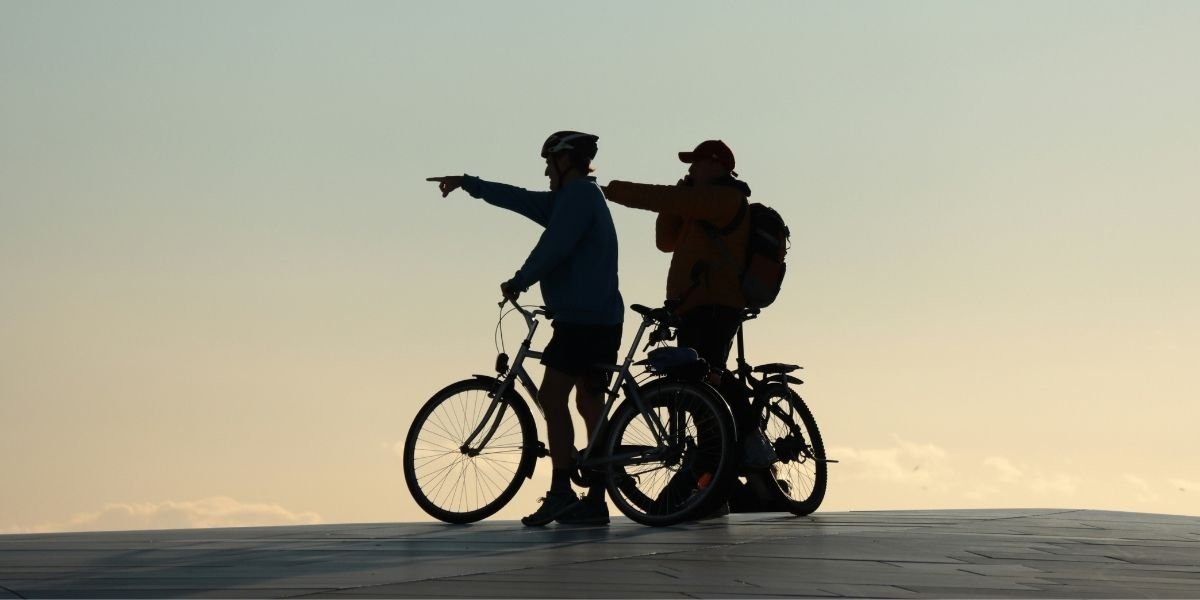
Photo Credit: Unsplash.com
The bureau also advises riders to check brakes and tires, wear layers that remain comfortable in damp conditions and use fenders where available. These are general seasonal precautions, not a forecast of conditions on the October 29 route. The agency’s notice does not report any specific hazards along the planned loop.
Portland has used group rides for other purposes this year. A June multi-route bike bus event connected riders from several neighborhoods on a coordinated downtown commute. Thursday’s ride has a different emphasis, placing after-dark visibility and wet-season riding practices at the center of the outing.
PBOT says its Ride Through the Seasons events offer free BIKETOWN codes to people who need a bicycle. Riders can request a code from Claire Bach at claire.bach@portlandoregon.gov. The city does not say that bicycles will be waiting at Midland Library, so riders should check pickup arrangements beforehand.
The program also lists an all-season cycling workshop for November 3 at Go Lloyd, 700 NE Multnomah Street, and a public-art-themed ride for November 7 beginning at Delicious Donuts on SE Grand Avenue. Residents can receive schedule updates by texting BIKE to 888-520-0526.
Frequently Asked Questions
When and where does the Portland evening bike ride begin?
Participants meet Thursday, October 29, at 5:30 p.m. outside Midland Library, 805 SE 122nd Avenue. The group is scheduled to leave at 6 p.m. and return by 7:30 p.m.
Is the See and Be Seen Ride free to attend?
Yes. PBOT describes the approximately seven-mile ride as free and open to everyone, with an easy group pace of 8 to 10 mph.
What bicycle lights are required after dark in Oregon?
State rules require a white front light visible from at least 500 feet and a red rear light or reflector visible from 600 feet. Lighting equipment must be used when visibility is limited.
Will the Portland ride take place if it rains?
PBOT says the event is scheduled for rain or shine. Riders are advised to dress for wet or cool conditions and check their bicycle equipment beforehand.