Paul Davis Restoration of Portland / Vancouver Redefines Emergency Mitigation With Full-Service Team

By: Jacob Anderson
When Disaster Strikes the Pacific Northwest
When disaster strikes a property, whether a burst pipe in a family kitchen or a multi-floor flood in a commercial complex, the clock begins ticking immediately. Property owners are often thrust into a race against structural deterioration, mold growth, and escalating financial losses. In these vulnerable moments, the quality of the response team can influence the trajectory of the recovery. Paul Davis Restoration of Portland / Vancouver has spent nearly two decades positioning itself as a comprehensive restoration provider in the Pacific Northwest.
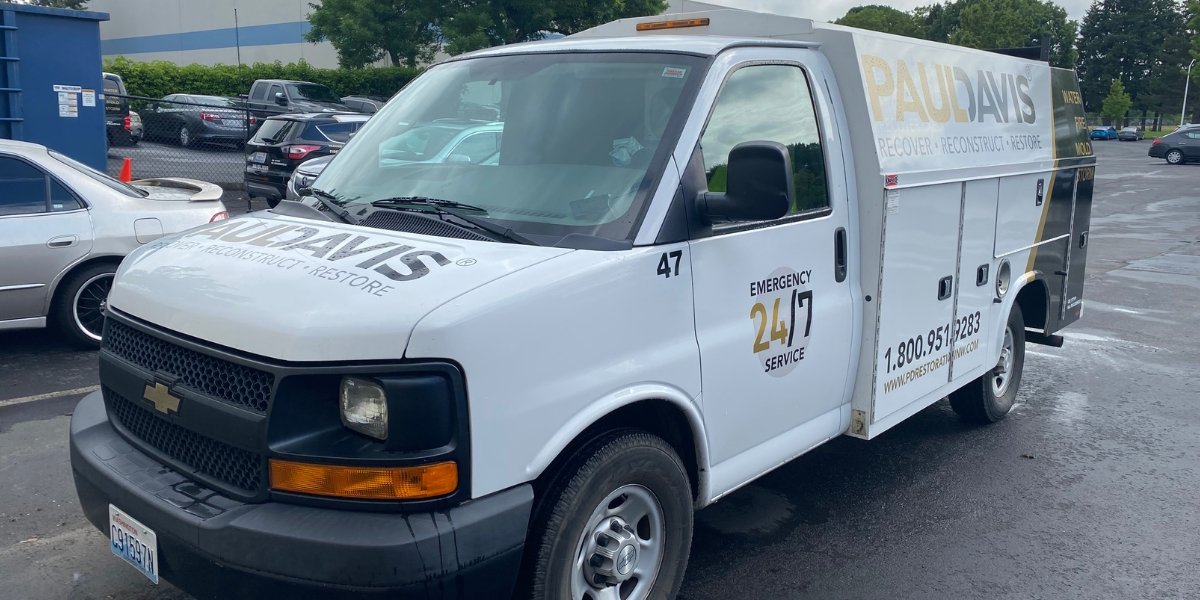
Locally and family-owned for 19 years, the company has grown from a dedicated local outfit into a regional operation. Today, the business spans 100,000 square feet of facility space, utilizes a fleet of 100 specialized vehicles, and employs a coordinated team of 160 industry professionals. This scale is not just a point of corporate pride. It is an operational asset that can support deployment speed and logistical capability for clients experiencing property emergencies.
The Power of Full-Service Restoration Operations
The restoration industry is frequently fragmented, with many companies specializing only in initial water extraction or structural drying, leaving property owners to source separate contractors for hazardous material abatement, contents cleaning, and final reconstruction. This piecemeal approach can introduce administrative delays, communication breakdowns, and extended project timelines.
Paul Davis Restoration of Portland / Vancouver helps reduce this friction by maintaining a vertically integrated service model. The organization manages the lifecycle of a loss in-house, moving from emergency mitigation and advanced dry-out to demolition, specialized hazardous material abatement, full contents restoration, and final structural reconstruction.
By maintaining dedicated in-house teams for regulated processes like environmental abatement, the company can reduce the bottlenecks often associated with third-party scheduling. When a commercial facility suffers a major loss, Paul Davis says it can deploy 20 or more certified technicians to the site, allowing them to triage the damage, stabilize the environment, and begin the drying process simultaneously. For businesses like schools or retail centers, this scale can help reduce operational downtime and support a faster path toward reopening.
Round-the-Clock Reliability
Property damage does not respect standard business hours, which is why the company operates on a 24/7 emergency footing. While some service providers rely on automated answering services or limited on-call rotations during nights and weekends, this team implements a double-shift system, keeping certified specialists and project managers active seven days a week.
This operational structure allows the company to field an on-call team capable of responding during overnight emergencies. Whether responding to a residential crisis or a commercial disaster, its specialized crews arrive with the training and equipment needed to help stabilize property damage.
The technical precision of these field teams is backed by certifications from the Institute of Inspection, Cleaning, and Restoration Certification (IICRC). These trained professionals utilize thermal imaging, moisture mapping, and industrial-grade drying equipment to help extract moisture from hidden structural cavities and reduce the risk of long-term structural rot or mold growth.
Accountability Through Structured Communication
One of the most persistent frustrations property owners experience during a restoration project is a lack of transparency regarding timelines, costs, and project milestones. The management team addresses this industry-wide concern through a formalized communication protocol. For emergency mitigation and drying phases, clients receive daily updates detailing moisture readings, equipment adjustments, and next steps. Once a project transitions into the reconstruction phase, the team provides weekly progress reports to keep owners informed.
This structured communication extends internally through weekly and bi-weekly project status reviews involving the cross-functional team. This internal checkpoint supports accountability, helping ensure that details are addressed and projects remain organized.
This commitment to professional communication and service execution is frequently highlighted by the clients they serve. For example, local resident Matthew Boop shared his experience following a major property crisis:
“Paul Davis exceeded all expectations during one of the most stressful times we’ve ever faced. From the very first call, their team was professional, responsive, and incredibly compassionate. They explained every step of the process clearly and kept us informed the entire way. The technicians arrived quickly, worked efficiently, and treated our home with the utmost care and respect. The quality of the restoration work was excellent; you would never know we had experienced such serious damage. Their attention to detail and commitment to doing the job right truly set them apart. What impressed us most was their communication and integrity. They worked seamlessly with our insurance company, which removed a huge burden from our shoulders. The entire team went above and beyond to make sure we felt supported and confident throughout the process.”
A Partner in the Insurance and Financial Process
Navigating the financial complexities of a property insurance claim can be as daunting as dealing with the physical damage itself. The specialists at Paul Davis work directly alongside insurance adjusters from the initial inspection to final sign-off. The company utilizes Xactimate, an estimating software commonly recognized by major insurance carriers, to support transparent and accurate property valuations. For larger commercial losses, it deploys T&M Pro software to handle complex time-and-materials tracking.
The company’s underlying philosophy prioritizes structural restoration over complete replacement when viable. By utilizing advanced drying techniques and specialized contents restoration systems for textiles, electronics, furniture, and hard goods, the team may be able to save items and structural elements that might otherwise be discarded. This precision-focused approach can save time, preserve historical or sentimental building materials, and allow insurance funds to be allocated toward critical structural areas.
For commercial clients with expansive portfolios or multi-site facilities, the company offers specialized partnership models. These corporate accounts are assigned dedicated project management, estimating, and customer service teams. This structure helps ensure that whenever a loss occurs across a client’s property portfolio, the same managers can handle the job from mitigation through reconstruction, bringing familiarity with the client’s corporate protocols, building layouts, and operational preferences.
A People-First Culture Built on Core Values
Behind the fleet of vehicles and warehouse facilities is an organization rooted in its internal culture. The leadership team operates on three foundational principles: Our People, Our Principles, and Our Professionalism. This is reflected in the tenure of its staff, with many employees remaining with the company for more than five years, some exceeding a decade, and others celebrating up to 17 years of service. This level of institutional knowledge and team cohesion can be valuable in the restoration sector.
The company also emphasizes its fifth core value: Have Fun on Purpose. By fostering a positive and supportive internal culture, the team aims to bring an empathetic, personable, and calm demeanor to high-stress disaster environments, helping families and business owners feel supported.
This community-focused ethos extends beyond day-to-day restoration contracts. The workforce regularly supports regional charities through financial and volunteer efforts, including organizations such as the American Red Cross, Rebuilding Together, A Caring Closet, Coats for Kids, and the Vancouver Food Bank.
Standing Behind Workmanship
Trust in the restoration industry is built on long-term structural integrity. While industry standards often offer a baseline one-year assurance on contracting work, Paul Davis Restoration of Portland / Vancouver provides a two-year workmanship and labor warranty on reconstruction projects. The company’s operational ethos is simple: We get it right or make it right. This commitment to quality means that after a project has wrapped up, the team remains accountable to the families and businesses that trusted them with their properties.
Property owners facing active water emergencies, fire damage, or mold issues can access the company’s resources by visiting the official Paul Davis Restoration of Portland / Vancouver website to request a consultation. For updates on community initiatives, regional disaster response efforts, and behind-the-scenes looks at restoration projects, the public can follow the company’s Facebook page and YouTube channel.