Portland News

Oregon Sees Population Gains Through Immigration Trends

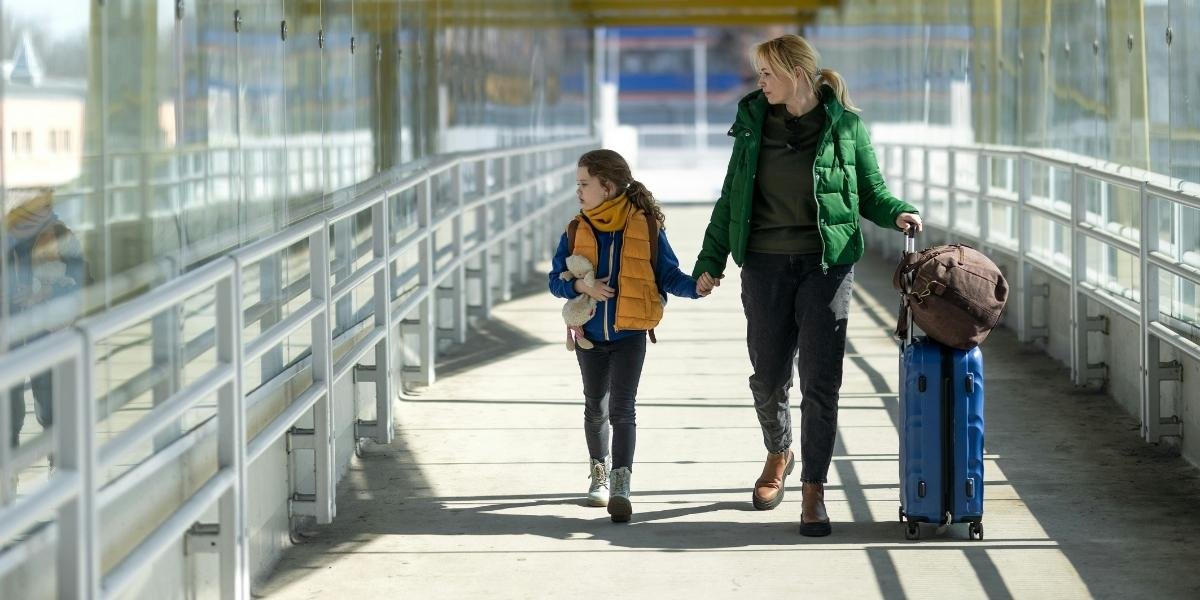
Oregon’s population growth in 2024–25 is primarily fueled by international immigration, according to the latest data from the U.S. Census Bureau. While the state experienced modest overall growth, immigration accounted for the majority of the increase. This trend underscores the significant role that global migration continues to play in shaping Oregon’s demographic landscape, particularly as domestic migration remains less influential in recent years.

Immigration as a Key Driver of Population Growth

Between July 2024 and July 2025, Oregon’s population rose by about 0.9%, reaching a total of 4.27 million people. The state’s growth was largely driven by international migration, with net international migration contributing about 9,600 people to the population. In comparison, domestic migration resulted in a net gain of only 2,200 residents, highlighting the continued importance of global migration to Oregon’s population trajectory.

Data from the Oregon Employment Department reveals that this trend has been consistent since 2020. Over the past five years, Oregon has seen a net increase of 56,700 people due to international migration, while domestic migration has resulted in a net loss of 670 residents. The state’s natural population change, which refers to the difference between births and deaths, showed a decline of 3,800 people during the same period.

Declining Natural Growth and Its Impact

Oregon’s birth rate continues to lag behind its death rate, with only about 0.9 births for every death in 2024–25. As a result, the state experienced a natural decline in population by 3,800 people. This trend is reflective of broader national demographic shifts, where lower fertility rates and an aging population have led to slower natural population growth across the country.

Experts emphasize that the combination of an aging population and low fertility rates is reshaping the state’s demographic patterns. Without the steady influx of immigrants, Oregon’s population could face stagnation or further decline, highlighting the increasing importance of international migration in sustaining the state’s overall growth.

National Trends: Slower Growth Across the U.S.

The overall growth rate of the U.S. population has slowed since the pandemic, with the national population increasing by just 0.5% between July 2024 and July 2025. This slower growth is partly due to a decline in immigration levels compared to previous years. However, Oregon stands out as a state where international arrivals continue to be a major source of population growth, diverging from the national trend where immigration has generally slowed.

This slower national growth contrasts with Oregon’s experience, where international migration remains a consistent positive factor, supporting the state’s overall population numbers. As other components like domestic migration and natural growth decline, immigration has become a critical element for Oregon’s future demographic stability.

Economic and Workforce Implications

International migration is playing a crucial role in addressing labor shortages in Oregon, particularly in urban centers like Portland. Immigrants are filling key roles in industries such as healthcare, technology, and construction, where there has been a sustained need for workers. By helping to offset labor shortages, international arrivals are supporting the state’s economic stability and growth.

At the same time, the influx of new residents is creating challenges, particularly in the housing market. The demand for affordable housing has increased in urban areas, placing additional pressure on local governments to plan for population growth. Public services such as education, healthcare, and transportation also face growing demands, requiring careful coordination and investment from local authorities.

Changing Communities and Diverse Neighborhoods

Immigration has contributed to the diversification of Oregon’s communities, with many areas seeing an increase in multilingual populations and more culturally diverse neighborhoods. This shift is most noticeable in Portland, where an influx of immigrants has transformed the city’s cultural and social landscape. Multilingual communities are growing, and the diversity of Oregon’s population is enriching the state’s cultural fabric.

While this growth brings positive changes, it also requires adaptation from local communities to ensure that all residents have access to necessary resources and opportunities. Government agencies and community organizations are working to provide support for immigrants and ensure that their integration into Oregon society is smooth and successful.

Housing and Service Pressures

The rising number of residents due to immigration is putting pressure on Oregon’s housing markets and public services. The increased demand for housing, particularly in Portland and surrounding areas, has led to rising housing costs, making affordability a challenge for many residents. Public services, including healthcare, education, and transportation, are also feeling the strain as the population continues to grow.

Local governments are facing the challenge of balancing growth with infrastructure needs. Planning for sustainable housing development and expanding public services is essential to ensure that Oregon can accommodate its growing population while maintaining a high quality of life for all residents.

Long-Term Population Projections

Portland State University’s Population Research Center recently revised its earlier population growth projections, indicating that Oregon’s population will continue to grow, though at a slower pace than originally anticipated. Despite the slower growth rate, immigration remains a consistent driver of population increase, ensuring that Oregon’s overall population continues to expand, even as other factors like domestic migration and natural change contribute less.

The revised projections highlight the critical role of international migration in sustaining Oregon’s population growth. Without this influx of new residents, the state would likely see a much slower population increase, underscoring the importance of immigration for long-term demographic and economic stability.


How Weather in Portland Affects Film and Music Production

Portland, Oregon, is known for its vibrant arts scene, attracting filmmakers and musicians alike. However, the city’s unique weather patterns can have a significant impact on film and music production. This article explores how Portland weather affects film and music production, offering insights and tips for artists working in the region.

The Climate of Portland

Portland experiences a temperate climate with distinct seasons. Summers are typically warm and dry, while winters are cool and wet. Spring and fall bring moderate temperatures and occasional rain. Understanding these seasonal variations is crucial for planning film and music production schedules.

Portland is known for its frequent rainfall and overcast skies, particularly during the fall and winter months. The city receives an average of 43 inches of rain annually, with most of it falling between October and May. This persistent rain and cloud cover can present challenges for outdoor filming and live music events.

Weather Impact on Film Production

One of the primary concerns for filmmakers in Portland is the natural lighting conditions. Overcast skies can provide diffuse, even lighting, which can be beneficial for certain scenes. However, the lack of sunlight can also pose challenges for achieving the desired aesthetic. Filmmakers often need to use artificial lighting to compensate for the natural light deficiency.

Frequent rain means filmmakers must take extra precautions to protect their equipment. Waterproof covers and protective gear are essential to safeguard cameras, microphones, and other sensitive equipment from moisture damage. Additionally, scheduling indoor shoots or planning for flexible shoot days can help mitigate the risk of weather-related disruptions.

The lush, green landscapes of Portland and its surroundings are a significant draw for filmmakers. However, scouting locations during different seasons is important to understand how weather will affect the visual quality and accessibility of the sites. Muddy conditions and poor visibility can impact both the logistics and aesthetics of outdoor shoots.

Impact on Music Production

For musicians, the weather in Portland can influence the feasibility and success of live performances, particularly outdoor concerts and festivals. Rain and cold temperatures can deter audiences and complicate the setup of sound and stage equipment. Event organizers often need to have contingency plans, such as covered venues or alternative indoor locations, to ensure performances can proceed regardless of weather conditions.

How Weather in Portland Affects Film and Music Production

Photo Credit: Unsplash.com

While indoor recording studios are less directly affected by weather, the general atmosphere can influence the mood and productivity of musicians. The long, gray winters can affect mental well-being and creativity. Musicians might find inspiration in the unique ambiance of Portland’s weather, but they also need to be mindful of seasonal affective disorder (SAD) and take steps to maintain their mental health.

Adaptation Strategies

Flexibility in scheduling is crucial for both film and music production in Portland. By allowing buffer days for unexpected weather disruptions, artists and producers can avoid the stress and costs associated with last-minute changes. Monitoring weather forecasts and planning shoots or performances during more predictable weather periods can also help minimize risks.

Leveraging indoor spaces for both filming and music production can reduce the impact of adverse weather. Portland boasts a variety of indoor venues, studios, and sound stages that provide controlled environments for creative work. These spaces can be particularly valuable during the rainy season, ensuring that production timelines stay on track.

Some filmmakers and musicians choose to embrace Portland’s unique weather as part of their creative process. The city’s misty, rainy atmosphere can add a distinctive character to films and music videos, creating a moody and atmospheric aesthetic. By incorporating the weather into their artistic vision, creators can turn potential challenges into opportunities.

Understanding how Portland weather affects film and music production is essential for artists and producers working in the region. While the frequent rain and overcast skies present certain challenges, they also offer unique opportunities for creativity and innovation. By adopting flexible scheduling, utilizing indoor spaces, and embracing the distinctive climate, filmmakers and musicians can thrive in Portland’s dynamic environment.

Whether navigating the practicalities of equipment protection or finding inspiration in the city’s ambiance, those who adapt to Portland’s weather can produce compelling and memorable work. As the arts community continues to grow, so too will the strategies and solutions for managing the impact of weather on creative production.

The Difference Between Platform Reviews And Platform Rankings

When people use online platforms for money or personal data, they often look for outside information before they decide to trust a service. Two common types of information are platform reviews and platform rankings. These words may sound similar, but they are not the same. They give different kinds of help to users.

Knowing the difference can help people make safer choices.

What A Platform Review Is

A platform review usually talks about one platform only. It explains how the service works and what a user may experience. Reviews often describe the design, customer support, payment speed, account checks, and user complaints.

Because a review looks at one platform, it can give clear details. For example, if payments are slow, the review may explain the reason. This helps readers understand the problem, not just see the result.

But reviews also have limits. They may use only a short testing time or a small number of users. Platforms can also change over time. Because of this, one review should be seen as helpful information, not full proof that a platform is safe.

What A Platform Ranking Is

A platform ranking is different. It compares many platforms together. The comparison may use rules like platform history, number of complaints, payment success, security tools, and openness.

Rankings help answer a simple question: which platform looks better than others? This is useful for quick checking or early research. Users can see patterns, such as repeated problems or strong stability.

However, rankings can also have problems. The scoring system is not always clear. Small rule changes can change the final order. If the method is hidden, the ranking may act like advertising instead of fair analysis. Because of this, trust depends on clear rules and updated data.

Main Differences

Reviews usually give:

  • Details about one platform
  • Real user stories or short tests
  • Explanations of risks and good points

Rankings usually give:

  • Comparison of many platforms
  • Shared scoring rules
  • Numbers or score lists

Each one answers a different question, so both are useful in different ways.

Why Confusion Is Risky

If users mix up reviews and rankings, they may feel too confident. One good review does not mean long-term safety. A high ranking does not always mean strong protection.

This is very important when money or identity is involved, because mistakes can cause real loss.

A safer way is to use reviews and rankings together. Reviews give details. Rankings give comparison. If both show the same result over time, trust is stronger. If they do not match, more checking is needed.

The Role Of Transparency

No matter the format, the most important point is transparency. Users should know:

  • Who made the review or ranking
  • What information was used
  • How new the data is
  • Whether ads affect the result

Without this, the information may not be reliable.

Platform reviews and platform rankings are different tools. Reviews give deep detail about one service. Rankings give a quick comparison between many services. Both have strengths and weaknesses.

The best choice is to look at both types of information and check if they stay consistent over time. Clear and honest information helps protect users in complex online environments.