Portland News

Portland Gets Its Own Monopoly Game Featuring Local Landmarks

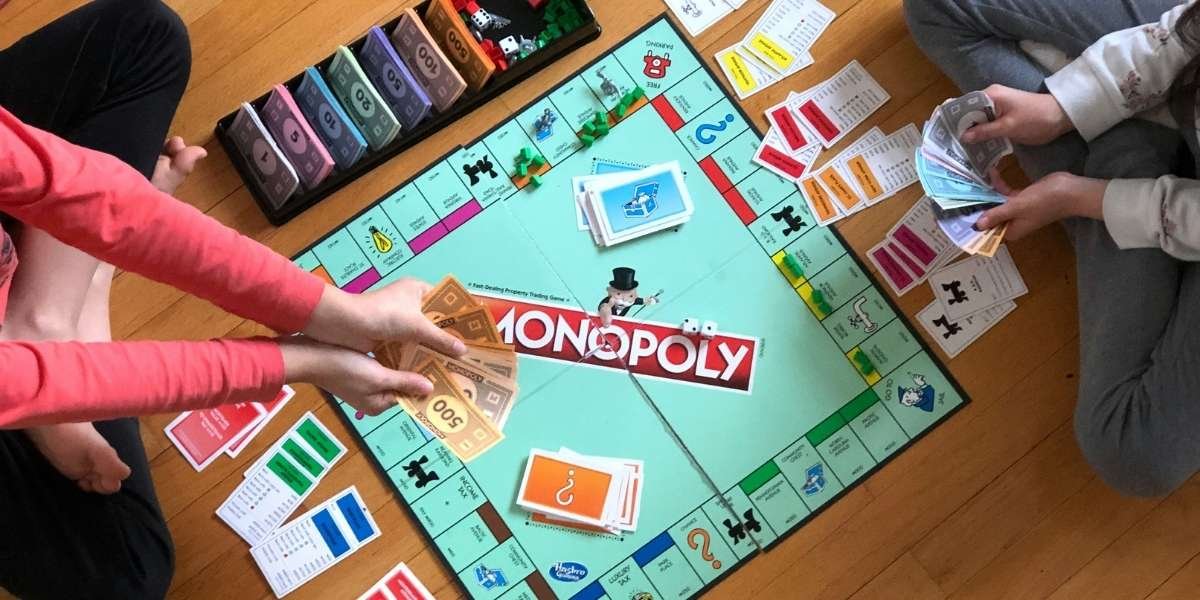
Portland has officially joined the ranks of cities with its own customized Monopoly edition, bringing a local flavor to one of the world’s most iconic board games. Released in November 2025, Monopoly: Portland Edition replaces traditional properties like Boardwalk and Park Place with landmarks and businesses that Portlanders know well. The game was developed by Top Trumps USA, under license from Hasbro, and shaped by nearly 1,000 suggestions from residents who wanted to see their city represented.

The launch event, held at The Nines Hotel in downtown Portland, celebrated the city’s unique identity. Aaron Green, spokesperson for Top Trumps USA, emphasized that the edition was “built by you, built by Portlanders,” underscoring the community-driven nature of the project. This collaborative approach ensured that the final board reflects the places and experiences that resonate most with locals.

For Portlanders, the game is more than just entertainment, it’s a collectible snapshot of the city in 2025. By weaving local landmarks into the familiar Monopoly format, the edition offers both nostalgia and novelty, sparking conversations about what defines Portland today.

Landmarks That Made the Board

The Portland Edition features a mix of institutions, businesses, and attractions that highlight the city’s character. Spaces on the board include OMSI (Oregon Museum of Science and Industry), the Portland Spirit river cruise, Powell’s City of Books, and other community favorites. Each property was chosen to reflect the diversity of Portland’s landscape, from family-friendly destinations to iconic downtown experiences.

Replacing the traditional railroad squares are references to Portland’s transit system, a nod to the city’s reputation for accessible public transportation. Utilities and other spaces have been adapted to fit Portland’s identity, ensuring that every corner of the board feels rooted in the city. Even the Chance and Community Chest cards have been reimagined with scenarios Portlanders might recognize, such as quirky local events or references to the city’s well-known bridges.

This customization makes the Portland Edition stand out among other city-specific Monopoly games. It not only celebrates well-known landmarks but also acknowledges the smaller businesses and attractions that contribute to Portland’s distinct personality. For residents, seeing familiar names on the board creates a sense of pride and belonging.

Community Input and Local Pride

One of the most engaging aspects of the Portland Edition is how it was shaped by community input. Top Trumps USA invited residents to submit suggestions for landmarks and businesses, resulting in nearly 1,000 entries. This process gave Portlanders a direct role in deciding which places would represent their city on the board.

Portland Gets Its Own Monopoly Game Featuring Local Landmarks

Photo Credit: Unsplash.com

The final selections reflect a balance between iconic institutions and local favorites. While some choices were expected, others highlight the creativity and passion of Portland’s residents. This collaborative approach ensured that the game feels authentic, rather than a generic adaptation.

For many, the Portland Edition is more than just a board game, it’s a celebration of local pride. Families can gather around the table and see their city represented in a playful, accessible way. The game also serves as a conversation starter, encouraging players to share stories and memories tied to the landmarks featured.

Availability and Reception

The Portland Edition is available through major retailers, including Amazon, and has quickly become a popular holiday gift. Designed for two to six players ages eight and up, the game retains the classic Monopoly mechanics while offering a distinctly Portland experience. Its release has generated excitement among both locals and collectors of city-specific editions.

Local media outlets covered the launch, noting the enthusiasm from residents who saw their suggestions come to life. The coverage emphasized how the game reflects Portland’s identity and provides a fun way to engage with the city’s landmarks.

Reception has been largely positive, with many praising the authenticity of the selections and the opportunity to showcase Portland’s character. For collectors, the Portland Edition adds a unique piece to their Monopoly lineup, while for residents, it offers a chance to celebrate their city in a familiar yet fresh format.

The Next Chapter for Portland’s Game Night

The Portland Edition highlights a broader trend of customizing classic games to reflect local identities. Monopoly has released editions for cities around the world, but each one tells a different story about what makes that place unique. In Portland’s case, the board captures the city’s blend of innovation, community spirit, and iconic landmarks.

This approach turns a familiar game into a form of storytelling. By playing the Portland Edition, residents and visitors alike can engage with the city’s narrative in a playful, interactive way. It’s not just about buying properties, it’s about exploring what defines Portland and sharing that experience with others.

Looking forward, the Portland Edition may inspire similar projects in other cities across Oregon. As communities seek ways to celebrate their identities, customized games offer a creative and accessible medium. For Portland, the Monopoly board is more than just entertainment, it’s a reflection of the city’s pride, resilience, and character in 2025.

Providence Oregon Cuts 150+ Caregiver Jobs in Latest Restructuring

Providence Oregon confirmed on November 18, 2025, that it will reduce more than 150 caregiver positions, primarily in non-clinical roles. The announcement was shared internally with staff before being made public, with Providence leaders emphasizing that the cuts primarily impact administrative or support functions rather than frontline medical staff.

According to Providence Oregon’s Chief Executive Jennifer Burrows, the organization is working to support affected employees, with some being offered opportunities to move into other roles while others will be leaving the system.

This decision comes amidst ongoing financial pressures that health systems across the nation continue to face. Providence Oregon has already undergone several rounds of workforce reductions in recent years, with this latest restructuring highlighting the challenges of balancing operational costs with patient care. Despite reassurances from Providence that direct patient services will remain unaffected, the scale of these cuts has raised questions about how the organization will continue to maintain efficiency and morale.

For the caregivers impacted, the decision marks more than just a shift in employment. Many of the affected employees have been with Providence for years, contributing to the organization’s longstanding reputation for community care. The loss of these roles underscores the human side of such restructuring decisions, which, though necessary for financial sustainability, can leave a lasting emotional impact on individuals and their families.

Questions About Patient Care and Service Delivery

A key concern following the announcement is how reducing more than 150 positions will impact patient care. Providence has stated that most of the eliminated jobs are non-clinical, meaning they do not directly involve medical treatment. However, non-clinical caregivers play an important role in areas such as scheduling, billing, and administrative support. Their absence could lead to potential ripple effects that indirectly impact the patient experience.

Patients and community members have expressed concerns about the possibility of longer wait times, reduced efficiency, or changes in service delivery. Providence leaders have reassured the public that the restructuring is designed to streamline operations without compromising care. However, it remains to be seen whether these assurances hold true, and the community will likely be watching closely to assess how the cuts affect service levels.

Providence Oregon Cuts 150+ Caregiver Jobs in Latest Restructuring

Photo Credit: Unsplash.com

These cuts also raise broader questions about the future of healthcare delivery in a challenging economic environment. Providence is far from alone in facing these pressures. Hospitals across the country have been reducing their workforce as they navigate similar financial struggles. These workforce reductions highlight the ongoing tension between maintaining affordability and delivering comprehensive care, a balance that remains difficult to achieve.

Workforce Morale and Community Response

For the caregivers involved, the restructuring creates uncertainty and concern about the future. Many employees have been with Providence for years, and the sudden elimination of roles can be destabilizing. Even those not directly affected by the cuts may feel anxiety about their job security and the future of the organization. Maintaining morale among remaining staff will be a significant challenge for Providence leadership.

The community’s response has been mixed. Some residents express understanding of the financial pressures facing healthcare systems, while others worry about the long-term effects these changes will have on access to care. Providence has been a trusted provider in Oregon for many years, and the announcement of the layoffs has led to public discussions about how the organization plans to continue meeting the needs of the community while reducing its workforce.

Local media coverage has highlighted both the scale of the cuts and Providence’s ongoing efforts to reassure the public that patient care will not be compromised. The layoffs are part of a broader restructuring initiative, with Providence leadership emphasizing their commitment to supporting affected employees. The dual narrative of financial necessity and community concern reflects the complex nature of the situation.

Broader Trends in Healthcare Restructuring

Providence’s announcement fits within a larger national trend in healthcare, where organizations are grappling with rising costs, staffing shortages, and the need to adapt to shifting patient demands. In 2025, several major healthcare systems have announced layoffs or restructuring initiatives, citing similar financial challenges.

Healthcare organizations are increasingly focused on improving efficiency, often turning to technology and streamlined operations to help reduce costs. While these strategies may improve long-term sustainability, they raise important questions about the human costs of automation and restructuring. The elimination of non-clinical roles at Providence highlights the essential role that administrative staff plays in keeping healthcare systems functioning smoothly, even though they do not directly provide medical treatment.

The broader trend also underscores the importance of transparency. As hospitals and health systems make these difficult decisions, clear communication with staff and the community becomes critical. Providence’s announcement has been accompanied by reassurances about patient care, but ongoing dialogue will be necessary to maintain trust and confidence. This restructuring is reflective of both financial realities and the evolving nature of healthcare delivery.

Looking Ahead: How Providence’s Restructuring Will Shape Oregon’s Healthcare

Providence Oregon’s future will hinge on how effectively it manages the transition following these workforce cuts. While Providence has emphasized that patient care will remain a priority, the reduction of over 150 positions will inevitably reshape operations.

The coming months will reveal whether Providence can maintain efficiency and quality while working with a smaller staff. Healthcare leaders, particularly those in Oregon, will be watching to see how the organization navigates these challenges and whether it can balance the need for financial sustainability with its commitment to high-quality care.

For Oregon residents, the announcement raises significant questions about the stability of local healthcare providers. Providence is a major player in the state’s healthcare system, and its restructuring could influence broader trends in healthcare delivery. Communities will be closely observing how the changes affect services, particularly in regions where Providence plays a critical role.

Providence’s restructuring could have lasting effects on the healthcare landscape in Oregon. As healthcare systems continue to adapt to the pressures of financial sustainability, Providence’s efforts to balance cost-reduction with care quality will likely serve as a key example of how other systems might approach similar challenges.

Ultimately, this announcement highlights the broader challenges facing healthcare systems nationwide, including rising operational costs, staffing shortages, and the struggle to deliver affordable care. Providence’s decision to cut jobs in the midst of these challenges reflects the financial realities of operating in today’s healthcare environment. The next few months will reveal whether these restructuring efforts can help Providence weather its financial storm while maintaining the trust of both its workforce and the communities it serves.